The Rock Trading Review: Europe’s Old‑School Crypto Exchange (2025 Perspective)
A full review of The Rock Trading crypto exchange, covering its history, fees, security incidents, pros and cons, and why it went bankrupt in 2023.
When looking at The Rock Trading, a cryptocurrency exchange that offers spot trading, derivatives, and staking services. Also known as Rock Trading, it sits inside the broader world of crypto exchange, online platforms where users buy, sell, and trade digital assets, often referred to as digital asset exchange. Any serious review also dives into exchange fees, the cost structure for trading, withdrawals, and deposits, because fees directly affect profitability. Security is another must‑check, so we examine exchange security, measures like two‑factor authentication, cold‑storage ratios, and audit reports. Finally, regulatory compliance, how the platform adheres to local and international crypto regulations shapes whether the exchange can operate long‑term. In short, The Rock Trading review encompasses security analysis, fee comparison, user‑experience assessment, and regulatory outlook – all the pieces you need to decide if this exchange fits your trading game.
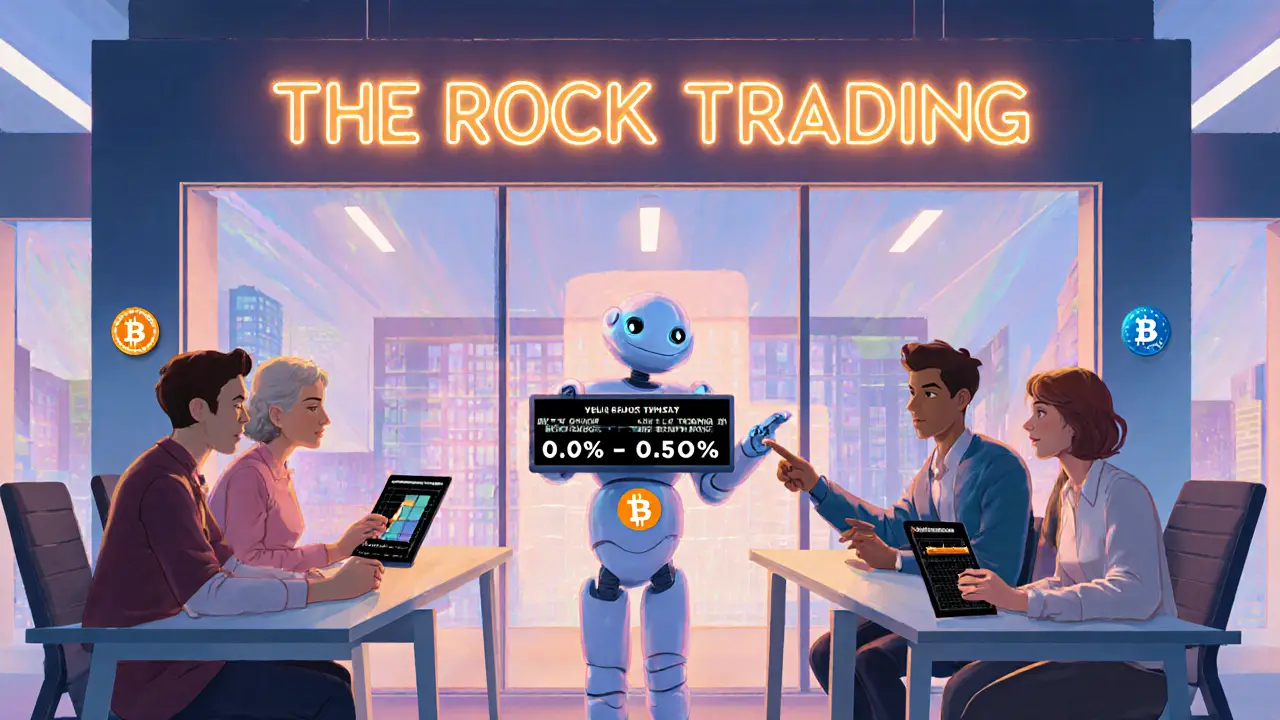
First, we break down the fee matrix. Spot‑trade taker fees start at 0.15% and drop with volume, while maker fees can go as low as 0.10%. Withdrawal fees vary by blockchain; for Bitcoin it’s a flat 0.0005 BTC, and for ERC‑20 tokens it’s $5. This fee‑structure influences the net return on each trade, especially for high‑frequency strategies. Next, security gets the spotlight. The platform stores 93% of user assets in offline cold wallets and undergoes quarterly third‑party audits. Two‑factor authentication is mandatory for withdrawals, and IP whitelist options add an extra layer of protection. User experience matters just as much: the web UI is clean, mobile apps mirror the desktop layout, and order types include limit, market, stop‑limit, and trailing stop. Liquidity is solid on major pairs—average spread on BTC/USDT hovers around 0.3 pips, which keeps slippage low for sizable orders.
Regulatory context is a moving target. The Rock Trading is registered with the European Financial Conduct Authority and complies with the EU’s MiCA framework, meaning it follows strict AML/KYC procedures and must publish regular transparency reports. For traders in regions with strict crypto bans, the exchange offers a compliant on‑ramp through partnered fiat gateways, reducing the risk of account freezes. Finally, we compare The Rock Trading against rivals like Binance, Kraken, and Bybit on metrics such as fee tiers, security scores, and geographic coverage. The comparison shows that while The Rock Trading may lag on the sheer number of listed altcoins, it compensates with tighter fees on high‑volume trades and a more transparent regulatory stance. All these angles together give you a well‑rounded picture of the platform’s strengths and blind spots.
Armed with this overview, you can now dive into the detailed articles below that dig deeper into each aspect—from fee breakdown tables to security audit summaries and step‑by‑step guides on meeting KYC requirements. Whether you’re a day trader hunting the lowest spreads or a long‑term investor seeking a safe vault, the upcoming posts will give you actionable insights to make an informed choice.
 30 Oct 2024
A full review of The Rock Trading crypto exchange, covering its history, fees, security incidents, pros and cons, and why it went bankrupt in 2023.
 30 Oct 2024
A deep dive into The Rock Trading crypto exchange, covering fees, security, user experience, and the events that led to its 2023 bankruptcy.