
Buying Bitcoin or Ethereum in Latin America used to feel like navigating a minefield. You had to deal with confusing bank transfers, high fees from international platforms, and the constant worry about whether your money was actually safe. That’s why Bitso has become such a big deal in the region. Founded in Mexico in 2014, this platform isn’t just another generic crypto app; it’s built specifically for the unique financial landscape of countries like Mexico, Argentina, Brazil, and Colombia.
If you are looking for a smooth way to trade digital assets without fighting against cross-border banking restrictions, Bitso might be exactly what you need. But is it right for you? Let’s break down the costs, the security features, and who should actually use this platform in 2026.
What Is Bitso and Who Is It For?
Bitso is a regulated cryptocurrency exchange that connects users in Latin America and other regions to global digital asset markets. Unlike some exchanges that started as simple websites and added features later, Bitso was designed from day one to handle local fiat currencies. This means you can deposit Mexican Pesos (MXN), Brazilian Reais (BRL), Colombian Pesos (COP), or Argentine Pesos (ARS) directly into your account. No weird workarounds needed.
The platform serves over 7 million users globally. It operates in 33 jurisdictions, including the United States, but its heart beats in Latin America. If you live in one of these regions and want to hedge against inflation using stablecoins like USDC or major cryptocurrencies like Bitcoin, Bitso offers a localized experience that global giants often miss.
However, if you are an advanced trader looking for complex derivatives like futures contracts, you will hit a wall. Bitso does not offer futures trading. It also lacks demo accounts or educational courses. This makes it less ideal for complete beginners who want to learn the ropes with fake money first, or pros who need leverage beyond 1:1.
Fees and Costs: What Will You Pay?
Let’s talk money. Trading fees are where many exchanges hide their true cost. Bitso uses a tiered fee structure based on your trading volume. For most retail traders, the fees are competitive but not the cheapest on the market.
| Role | Fee Range (USD Markets) | Note |
|---|---|---|
| Maker | 0.04% - 0.25% | You place an order that doesn't fill immediately |
| Taker | 0.05% - 0.30% | You buy/sell at the current market price |
These rates apply to USD-based pairs. Fees can vary depending on the base currency you are trading. For example, trading MXN/BTC might have different slippage or fees compared to USD/BTC. Independent reviews from platforms like TradersUnion give Bitso a moderate score of 5.95/10 for fees. This suggests they are reasonable, but if you are moving massive amounts of capital daily, you might find better rates elsewhere.
There is also the matter of deposits. Sources conflict slightly here. Some reports suggest a minimum deposit of $10, while others claim it is closer to $100. In practice, Bitso allows small purchases via credit card or PayPal, so you don’t need a large sum to start. However, for bank transfers, check your local banking limits. Always verify the current minimums before funding your account.
Security: Is Your Money Safe?
In crypto, security isn’t a feature; it’s the foundation. Bitso takes this seriously. The platform is regulated by the Gibraltar Financial Services Commission under their Distributed Ledger Technology (DLT) framework. This adds a layer of legitimacy that unregulated offshore exchanges lack.
Here are the key security pillars:
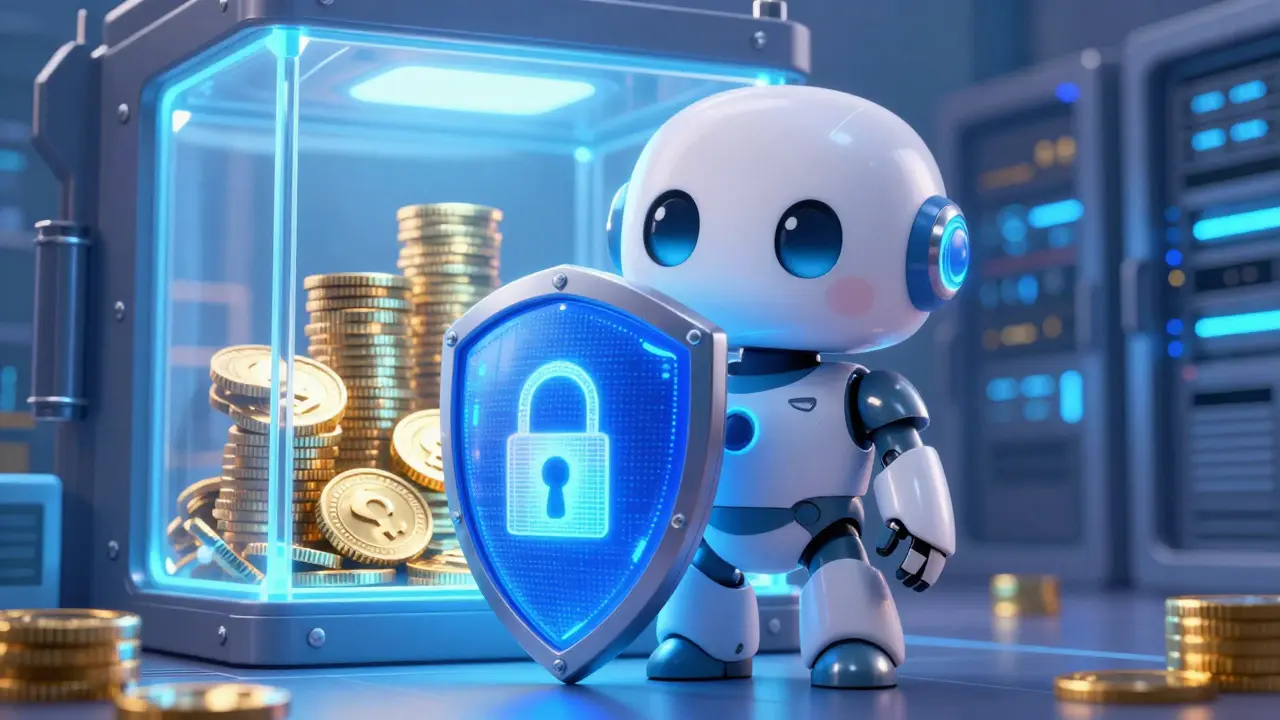
- Cold Storage: The vast majority of user funds are kept in offline wallets, protected from online hacks.
- Proof of Reserves: Bitso publishes regular audits showing they hold enough assets to cover user liabilities. This transparency builds trust.
- Insurance: Assets are backed by Coincover insurance policies, providing an extra safety net in case of catastrophic events.
- Two-Factor Authentication (2FA): Mandatory for withdrawals and sensitive actions. Use an authenticator app, not SMS, for maximum security.
User feedback on G2.com highlights that Mexican users particularly appreciate the speed and security of the mobile app. Many report no issues with fund access, which is crucial when dealing with volatile markets.
Features and User Experience
Bitso splits its interface into two distinct experiences, catering to different skill levels.
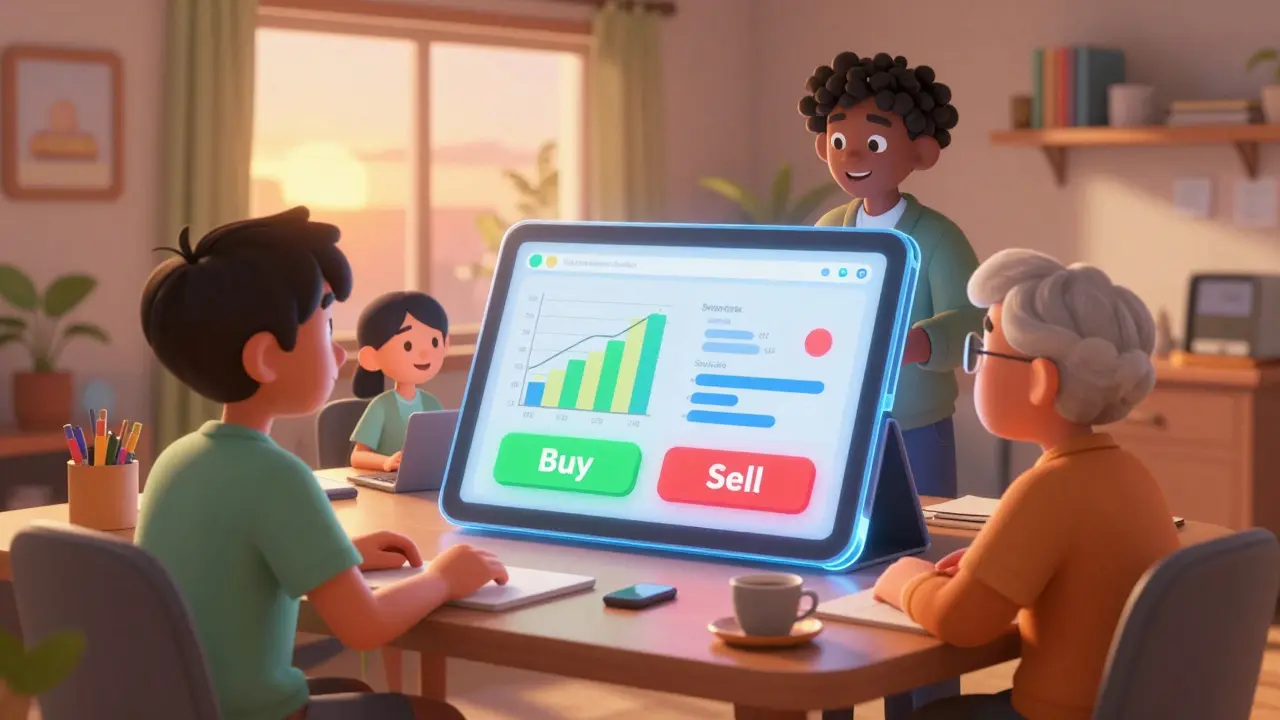
1. The Standard App: This is for buying and selling. It’s clean, simple, and fast. You can monitor real-time prices, diversify your portfolio with one click, and manage deposits and withdrawals. It’s designed to make crypto "easy, secure, and fun," as their Play Store listing claims.
2. Bitso Alpha: This is for the serious traders. It includes full integration with TradingView, giving you professional-grade charting tools. You can set Limit orders, Stop-Loss orders, and Stop-Limit orders. If you rely on technical analysis, Bitso Alpha is a must-use tool.
One standout feature for residents of Mexico is the Bitso Card. This debit card lets you spend your crypto balance anywhere Visa is accepted. It converts your digital assets to fiat instantly at the point of sale. Note that this service is currently exclusive to Mexican residents. Users in other countries will need to withdraw funds to their bank accounts manually.
Another useful tool is Bitso Earnings, which allows you to earn interest on certain cryptocurrencies. While rates fluctuate, this provides a passive income stream for holders who aren’t actively trading.
Pros and Cons: The Honest Breakdown
No platform is perfect. Here is what you gain and what you lose by choosing Bitso.
| Pros | Cons |
|---|---|
| Strong regulatory compliance in Latin America | No futures or derivatives trading |
| Local fiat support (MXN, BRL, COP, ARS) | Limited customer support channels (no phone) |
| High-security standards with Proof of Reserves | Higher fees than some global competitors |
| User-friendly mobile apps for all skill levels | No demo account for beginners |
| Bitso Card for instant spending (Mexico only) | Geographical restrictions on some features |
The biggest drawback for many users is the lack of direct client support channels like phone or email. You rely heavily on live chat and help centers. If you run into a complex issue, this can be frustrating. Additionally, the absence of educational resources means you need to bring your own knowledge to the table.
How Bitso Compares to Other Exchanges
If you are deciding between Bitso and a global giant like Coinbase or Binance, consider your location. If you are in the US or Europe, those platforms might offer more liquidity and lower fees. But if you are in Latin America, Bitso’s local integrations save you time and headache.
Unlike Binance, Bitso does not offer hundreds of obscure altcoins. It supports over 50 major cryptocurrencies, focusing on quality and regulatory clarity rather than quantity. This reduces the risk of investing in low-liquidity tokens that could vanish overnight.
Compared to peer-to-peer (P2P) platforms, Bitso offers more security. P2P trades depend on individual sellers, whereas Bitso acts as the trusted intermediary with insured custody. For large transactions, this peace of mind is worth the slightly higher fees.
Getting Started: A Quick Guide
Ready to try Bitso? Here is how to set up your account correctly.
- Download the App: Get either the standard Bitso app or Bitso Alpha from the App Store or Google Play.
- Create an Account: Sign up with your email and create a strong password.
- Verify Your Identity (KYC): Upload a government ID and proof of address. Business accounts require additional documents like company statutes and financial statements. This step is mandatory due to regulatory requirements.
- Enable 2FA: Link an authenticator app immediately after verification.
- Fund Your Wallet: Use bank transfer, credit card, or PayPal to add fiat currency. Remember the minimum deposit rules.
- Start Trading: Buy your first Bitcoin or explore the charts in Bitso Alpha.
For business users, ensure you have all corporate documentation ready before signing up to avoid delays in verification.
Is Bitso available in the United States?
Yes, Bitso operates in the United States and several other jurisdictions outside of Latin America. However, some features like the Bitso Card may not be available to US residents. Always check the specific terms for your country during sign-up.
Can I trade Bitcoin futures on Bitso?
No, Bitso does not offer futures trading or any derivative products. It focuses on spot trading of cryptocurrencies. If you need leverage beyond 1:1 or short-selling capabilities, you will need to look at other exchanges.
What is the minimum deposit to start trading?
The minimum deposit varies by payment method. Credit card and PayPal purchases often allow very small amounts, sometimes as low as $10. Bank transfers may have higher minimums, potentially around $100 depending on your bank and jurisdiction. Check the latest requirements in the app before transferring funds.
Does Bitso offer a demo account for beginners?
No, Bitso does not provide a demo account or paper trading feature. Beginners are encouraged to start with small real-money trades to get accustomed to the platform. There are also no built-in educational courses, so you should research trading basics independently.
How secure is Bitso compared to other exchanges?
Bitso is considered highly secure. It is regulated by the Gibraltar Financial Services Commission, uses cold storage for most funds, and provides Proof of Reserves. It also has insurance coverage through Coincover. These measures make it one of the safer options, especially for users in Latin America.
Can I use the Bitso Card if I live in Brazil or Colombia?
Currently, the Bitso Card debit service is exclusively available to residents of Mexico. Users in Brazil, Colombia, Argentina, and other supported countries can still trade and withdraw funds to their local bank accounts, but they cannot use the physical or virtual Bitso Card for spending.
Bitso stands out because it respects the local context of its users. It doesn’t force a one-size-fits-all model. Instead, it integrates with local banks, supports local currencies, and complies with regional regulations. If you value security, simplicity, and local support over exotic trading features, Bitso is a solid choice for your crypto journey in 2026.


22 Comments
Albert Lee
oh my gosh this is such a relief to read! i have been so stressed about trying to figure out which exchange actually respects latin american users and you just laid it all out here. the part about local fiat support makes me want to cry tears of joy because dealing with cross-border fees has literally ruined my mood for weeks. thank you for being so clear and helpful, this post is a true lifesaver for anyone feeling lost in the crypto jungle. i am going to bookmark this immediately and share it with my entire family group chat.
Ankush Pokarana
the essence of financial freedom lies not in the complexity of the instruments but in the reliability of the foundation upon which they are built. bitso seems to understand that trust is a currency more valuable than bitcoin itself. when we look at the regulatory framework provided by gibraltar we see a commitment to transparency that many offshore entities lack. this is not merely about convenience but about the philosophical alignment of security and accessibility. one must consider that the absence of futures trading is not a flaw but a deliberate choice to protect the retail user from their own impulsiveness. the tiered fee structure reflects a fair exchange of value for service rendered. it is interesting how the platform serves as a bridge between traditional banking and digital assets without forcing a one size fits all model. the proof of reserves is a critical element that restores faith in the system. we should appreciate the effort to localize the experience rather than imposing a global standard that ignores local realities. the mobile app experience speaks volumes about their dedication to user retention. ultimately the question is whether we prioritize short term gains or long term stability.
Bianca Vilas Boas Lourenço
uughhh another generic review 😒 like wow groundbreaking stuff right? i bet you think you are so smart for pointing out that they dont have futures trading 🙄 honestly if you need futures you should probably just stick to binance and save us all the trouble. the fees are basically robbery disguised as convenience 💸 and dont get me started on the customer support situation which is basically non existent. why would anyone trust a platform that relies on live chat for serious issues? its just another way to drain your wallet slowly while you pretend everything is fine. typical corporate bs wrapped up in pretty words ✨
Yash Lodha
let us not be fooled by the glossy interface and the talk of regulation. these centralized exchanges are nothing more than honeypots designed to siphon liquidity before the inevitable collapse. the gibraltar license is a mere fig leaf to give the illusion of legitimacy while the real players operate in the shadows. i suspect the cold storage claims are exaggerated to prevent panic withdrawals during times of stress. the proof of reserves is likely manipulated by auditors who are paid to look away. do not trust the intermediaries they are the weakest link in the chain. the only true security is self custody and anything less is a gamble with your future. the local integrations are just a clever trap to lock users into an ecosystem they cannot easily exit. beware the false sense of safety provided by insurance policies that may vanish when needed most.
Jesse Alston
hey everyone 👋 great points coming in here. i wanted to add that if you are in mexico the bitso card is actually a game changer for daily spending. i use it almost every day and the conversion rate is surprisingly competitive compared to withdrawing to my bank first. also dont forget to enable 2fa immediately after signing up because security is paramount. the alpha version is really nice for those who like charts but the standard app is perfect for simple buys and sells. hope this helps clarify things for new users 🚀
Sarah C
i totally agree with the sentiment that localization is key. living in argentina the ability to deposit pesos directly without jumping through hoops is invaluable. the inflation hedge aspect mentioned earlier is exactly why i started using stablecoins on bitso. it feels much safer than keeping cash under the mattress or dealing with unreliable banks. the community here is doing a great job sharing insights and i appreciate the balanced view on fees.
Kimberly Herbstritt
actually i disagree with the idea that bitso is better just because it is local. being local often means being smaller and therefore more vulnerable to market shocks. global giants like coinbase have deeper liquidity pools which can mean tighter spreads even if the fees look higher on paper. also the lack of educational resources is a huge red flag for beginners who might make costly mistakes. i prefer platforms that force you to learn before you trade rather than letting you dive in blind.
Sharada Vakkund
lets welcome everyone to this discussion regardless of their experience level. whether you are a seasoned trader or just curious about crypto your perspective matters. bitso offers a unique entry point for many in latin america and we should celebrate that accessibility. remember that learning is a continuous process and there is no shame in starting small. feel free to ask questions or share your own experiences with other exchanges to help others make informed decisions.
Sudarshan Anbazhagan
it is imperative that one understands the nuances of regulatory compliance before entrusting funds to any entity. the gibraltar framework while robust does not guarantee immunity from operational failures. the absence of a demo account is a significant oversight that exposes novices to unnecessary risk. furthermore the reliance on live chat for support indicates a lack of professional infrastructure. one must scrutinize the fee structure carefully as hidden costs can erode profits over time. the platform is adequate for basic transactions but lacks the sophistication required for serious investment strategies. caution is advised for those seeking advanced features.
John Gonzalez Bentham
lol u guys are too soft. bitso is trash if you know what good looks like. the fees are jacked and the ui is boring af. why would u use this when binance exists? its like choosing a bicycle when u could drive a ferrari. stop making excuses for mediocrity. the card thing is cool i guess but still limited to mexico which is lame. overall just skip it unless u have no other option.
Ellie Riddell
interesting take on the fees. i suppose if you are moving millions then yes every basis point matters. but for the average person saving a few dollars on fees isn't worth the headache of navigating complex global platforms. simplicity has its own value. i find myself returning to bitso because it just works without requiring a degree in finance to operate. maybe that's enough for some of us.
Destiny Kilby
i have used several exchanges and bitso stands out for its reliability. the security measures are clearly prioritized which gives peace of mind. the lack of phone support is annoying but the live chat is usually responsive enough. i appreciate the focus on major cryptocurrencies rather than obscure altcoins. it reduces the noise and allows for clearer decision making. the platform is solid for those who value stability over speculation.
Caique Muniz
yawn. another exchange review. how original. bitso is fine i guess but nothing special. the fees are whatever and the security is standard. dont expect miracles. if u want excitement go somewhere else. this is for people who like boring safe things. which is fine i suppose just not exciting.
Mike S
pathetic. truly pathetic. this review fails to address the fundamental flaws in centralized exchanges. bitso is just another custodian waiting to fail. the so called insurance is a joke and the proof of reserves is meaningless without real time audits. you are all sheep following the herd into a slaughterhouse. wake up and take control of your own keys. anything less is slavery.
Michael Berggren
look on the bright side! every platform has its pros and cons. bitso provides a safe haven for many users who might otherwise stay out of crypto entirely. the fact that it is regulated is a huge plus for institutional adoption. i believe in the potential of localized solutions to drive financial inclusion. keep learning and stay positive everyone! 🌟
Kiran CS
how quaint. discussing retail exchanges as if they hold any significance in the grand scheme of blockchain technology. bitso is a pedestrian tool for the masses who cannot grasp the intricacies of decentralized finance. the elitist approach of focusing on major coins is commendable however the execution is lackluster. one expects more sophistication from a platform claiming to serve sophisticated markets. the user experience is adequate but hardly inspiring. it serves its purpose for the uninitiated but offers little to the discerning investor.
Bijan Das
bitso is okay i guess. not great not terrible. the fees are high but whatever. the app works mostly. sometimes it glitches but thats life. dont expect too much from it. its just a place to buy bitcoin if you cant use binance. simple as that. dont overthink it.
Ashley Rodriguez
i think the main thing people miss is how easy it is to start with bitso. you dont need to be an expert to use it. the interface is clean and straightforward. i like that they support local currencies because it saves so much time. the fees are reasonable for what you get. it is a good option for beginners who want to dip their toes in without getting overwhelmed. the security features are also reassuring. overall a solid choice for many users.
Bridget Coogle
great points everyone. let us keep the conversation respectful and informative. bitso is definitely a strong contender for latin american users. the focus on security and local integration is impressive. keep sharing your experiences to help others navigate the space safely.
Zara Zaman
why are we even talking about foreign exchanges when our domestic options are improving? bitso might work for some but we should prioritize platforms that align with our national interests. the reliance on international regulations is concerning. we need sovereign control over our financial tools. bitso is acceptable but not ideal for patriotic investors.
Larry Port
i wonder how the tax implications differ for bitso users compared to other exchanges. the reporting requirements might vary depending on jurisdiction. it would be useful to know if bitso provides easy export options for tax software. the security is good but the administrative burden is something to consider. maybe someone has experience with this?
Jocelyn Garcia
from a technical standpoint the api latency on bitso alpha is decent. the charting integration with tradingview is seamless. however the order book depth can be thin for larger orders. slippage is a real concern for institutional sized trades. the spot market is efficient enough for retail but lacks the liquidity for high frequency trading strategies. the infrastructure is solid but not cutting edge.