Bitcoin Mining: How It Works, What You Need, and Why It Matters
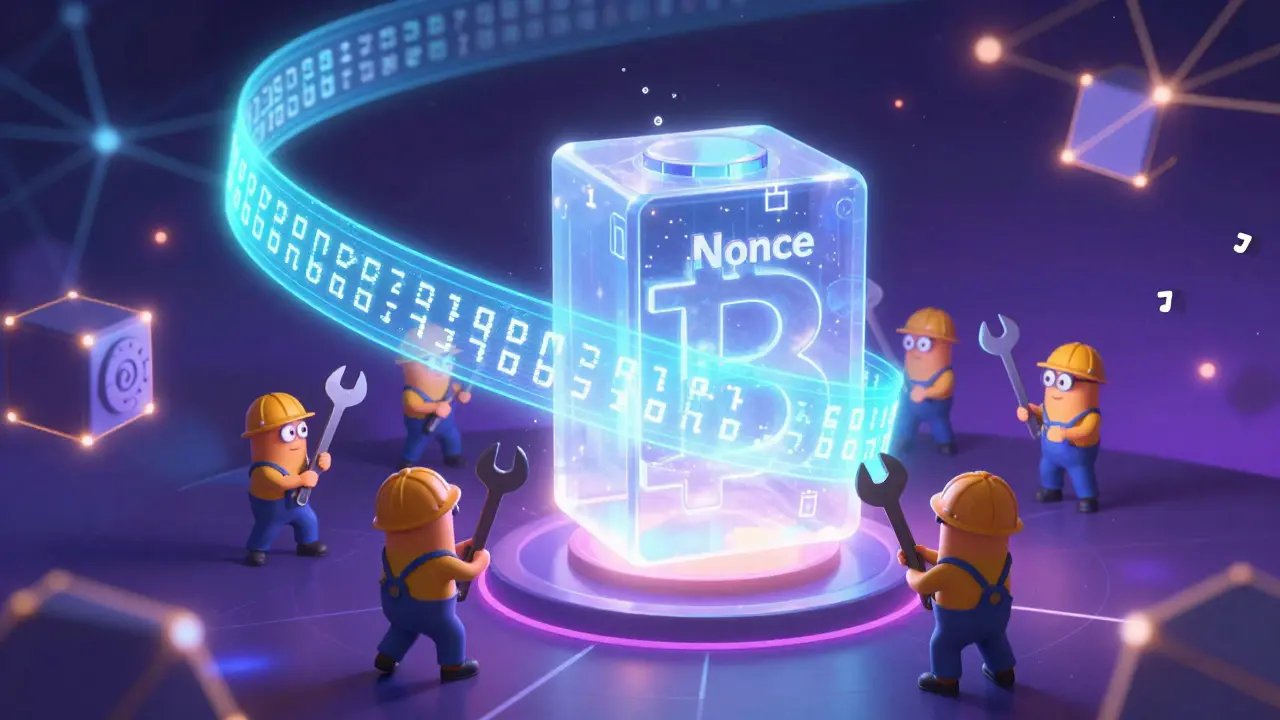
When you hear Bitcoin mining, the process of validating Bitcoin transactions and adding them to the blockchain using computational power. Also known as crypto mining, it’s the backbone of Bitcoin’s security and supply. Unlike banks that rely on central authorities, Bitcoin uses thousands of computers around the world to agree on who owns what—without anyone in charge. This system only works because miners compete to solve complex math puzzles, and the first to solve it gets rewarded with new Bitcoin. It’s not magic. It’s math, electricity, and hardware.
Behind every Bitcoin transaction is a proof of work, a cryptographic mechanism that requires real computational effort to validate blocks. This isn’t just a technical detail—it’s what stops bad actors from flooding the network with fake transactions. Every 10 minutes, a new block is added, and miners race to be the first to confirm it. The puzzle gets harder over time, and the reward halves roughly every four years. That’s why early miners got 50 BTC per block—today, it’s 3.125 BTC. The system is designed to slow down, not speed up.
Most people think you need a basement full of machines to mine Bitcoin. That’s true for big operations, but not for understanding it. What matters is knowing how crypto mining hardware, specialized machines like ASICs built to solve Bitcoin’s proof-of-work puzzles evolved from GPUs to factory-built rigs. These machines are loud, hot, and eat power—but they’re the only ones that can compete today. If you’re not mining, you’re still affected by it. Mining shapes Bitcoin’s price, its energy use, and even where data centers get built. Countries with cheap electricity became mining hubs. Regulations followed. The network’s resilience comes from this distributed effort.
Even if you’re not running a miner, you rely on Bitcoin mining every time you send or receive Bitcoin. Without it, the network would stall. Without rewards, no one would invest in the hardware. And without the difficulty adjustments, blocks would either pile up or vanish. It’s a self-correcting system built on incentives, not trust. That’s why Bitcoin still works after 15 years—because the rules are clear, and the cost to break them is too high.
What you’ll find below are real guides, reviews, and breakdowns from people who’ve dug into the details—whether it’s how forks affect mining, what happens when mining rewards drop, or how energy use debates shape the future. No fluff. Just what you need to understand how Bitcoin stays alive—and why it still matters.