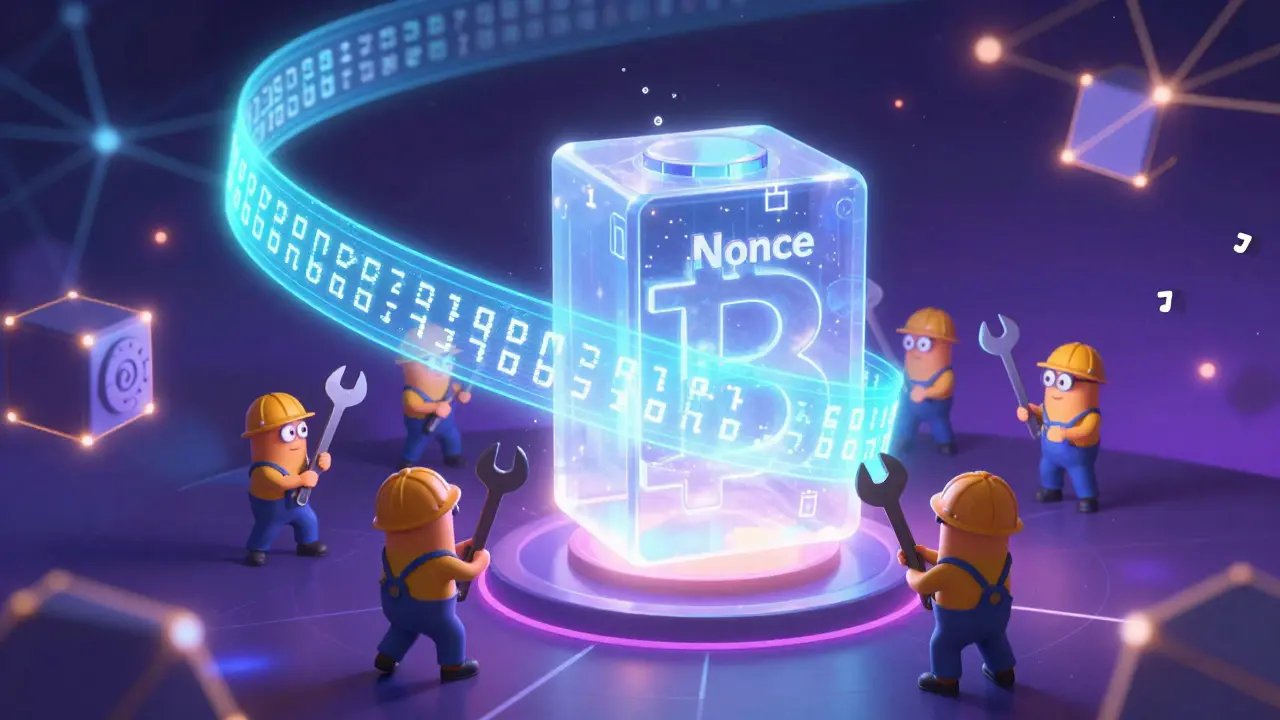
Cryptocurrency Hashing: What It Is and Why It Keeps Blockchain Secure
When you hear cryptocurrency hashing, a process that turns data into fixed-length strings using cryptographic algorithms. Also known as crypto hashing, it’s the invisible engine that makes blockchains tamper-proof and trustless. Every time a transaction happens—whether it’s Bitcoin moving from wallet to wallet or a new NFT being minted—it gets crunched through a hashing function. The result? A unique digital fingerprint no one can reverse-engineer or fake.
This isn’t just math for show. SHA-256, the specific hashing algorithm used by Bitcoin and many other blockchains ensures that even a single changed letter in a transaction produces a completely different hash. That’s why altering one block in the chain would require redoing every single block after it—which takes more computing power than all the miners on Earth combined. That’s the magic of proof of work, a consensus mechanism that relies on hashing to validate transactions and secure the network. Miners compete to solve these complex hash puzzles, and the winner gets rewarded with new coins. It’s not just about earning crypto—it’s about keeping the whole system running without a central authority.
Hashing doesn’t just protect transactions. It’s also what makes crypto mining, the process of validating blocks and adding them to the blockchain through computational effort possible. Without hashing, there’d be no way to prove someone spent their coins fairly or to stop double-spending. That’s why every post in this collection—from reviews of low-fee exchanges to deep dives into tokenomics—touches on hashing in some way. Whether it’s explaining how FlatQube handles transactions on Everscale or why Qubic’s UPoW model trains AI while hashing, the underlying math is always there.
You won’t find fluff here. Just real explanations of how hashing connects to the coins you trade, the exchanges you use, and the airdrops you chase. If you’ve ever wondered why Bitcoin mining uses so much power, or why some blockchains are faster than others, the answer starts with a hash. Below, you’ll find guides that break down exactly how this works in practice—no jargon, no theory without application. Just what you need to know to understand the backbone of every crypto network you interact with.