How DAO Governance Works: Voting, Tokens, and Smart Contracts Explained
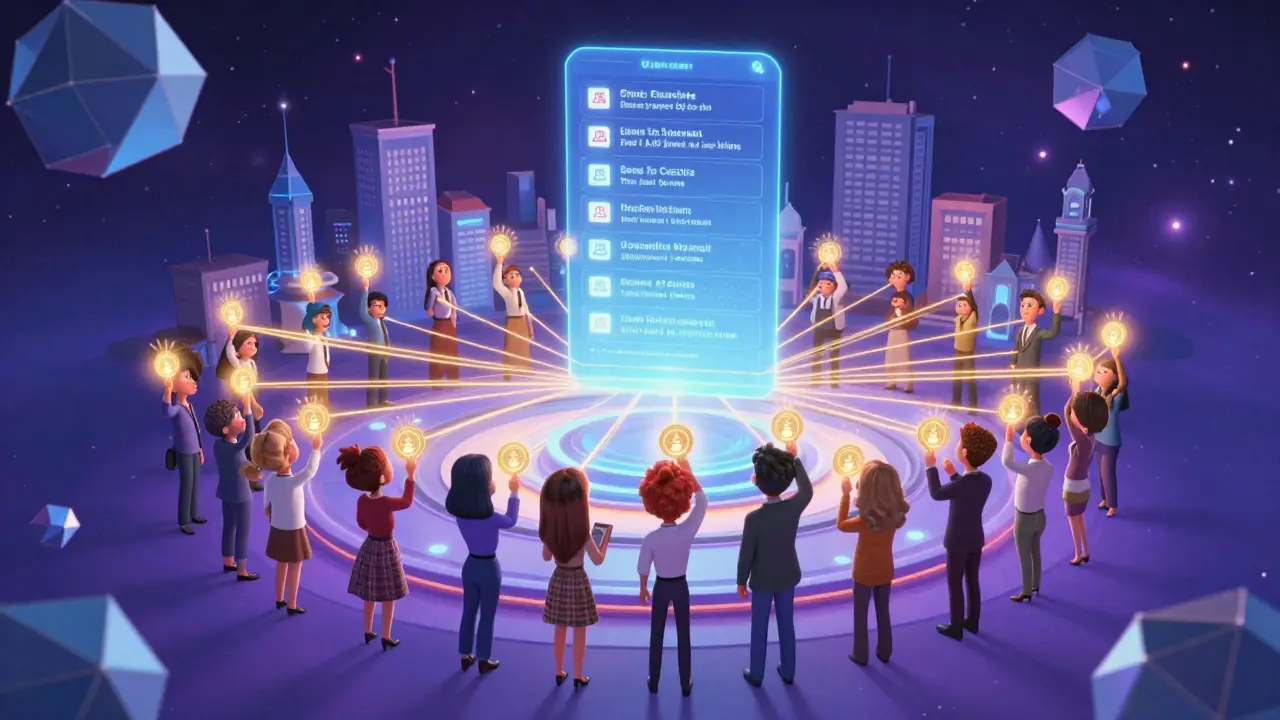
DAO governance lets communities make decisions using blockchain voting, governance tokens, and smart contracts. No bosses. No middlemen. Just code and consensus.
When you hear decentralized autonomous organization, a group that runs on code instead of managers, where members vote on decisions using tokens. Also known as DAO, it’s how communities in crypto make rules, spend funds, and launch projects without a CEO or boardroom. Think of it like a digital co-op: anyone who holds a certain token gets a vote, and every action—from paying developers to buying NFTs—is locked in smart contracts that execute automatically.
DAOs rely on three things: smart contracts, self-running code on blockchains that enforce rules without human intervention, crypto voting, token-weighted ballots where your influence matches your stake, and blockchain governance, the system that lets members propose and approve changes transparently. These aren’t theoretical—they’re what powered early successes like MakerDAO and failed catastrophically in cases like The DAO hack in 2016. Today, DAOs are used to manage DeFi protocols, fund open-source tools, and even run gaming economies like GamesPad’s GMPD ecosystem.
But here’s the catch: a DAO only works if people actually show up to vote. Most fail because only 1% of token holders participate, leaving power in the hands of a few big wallets. That’s why projects like ZWZ and AXL INU—both labeled as airdrops—were scams: they pretended to be community-run but had no real governance structure. Real DAOs don’t promise free tokens; they give you a say. And that’s what you’ll find in the posts below: real examples of DAOs in action, the tools they use, the mistakes they made, and how to tell the difference between a genuine community and a front for a rug pull.
 4 Dec 2025
DAO governance lets communities make decisions using blockchain voting, governance tokens, and smart contracts. No bosses. No middlemen. Just code and consensus.