How DAO Governance Works: Voting, Tokens, and Smart Contracts Explained
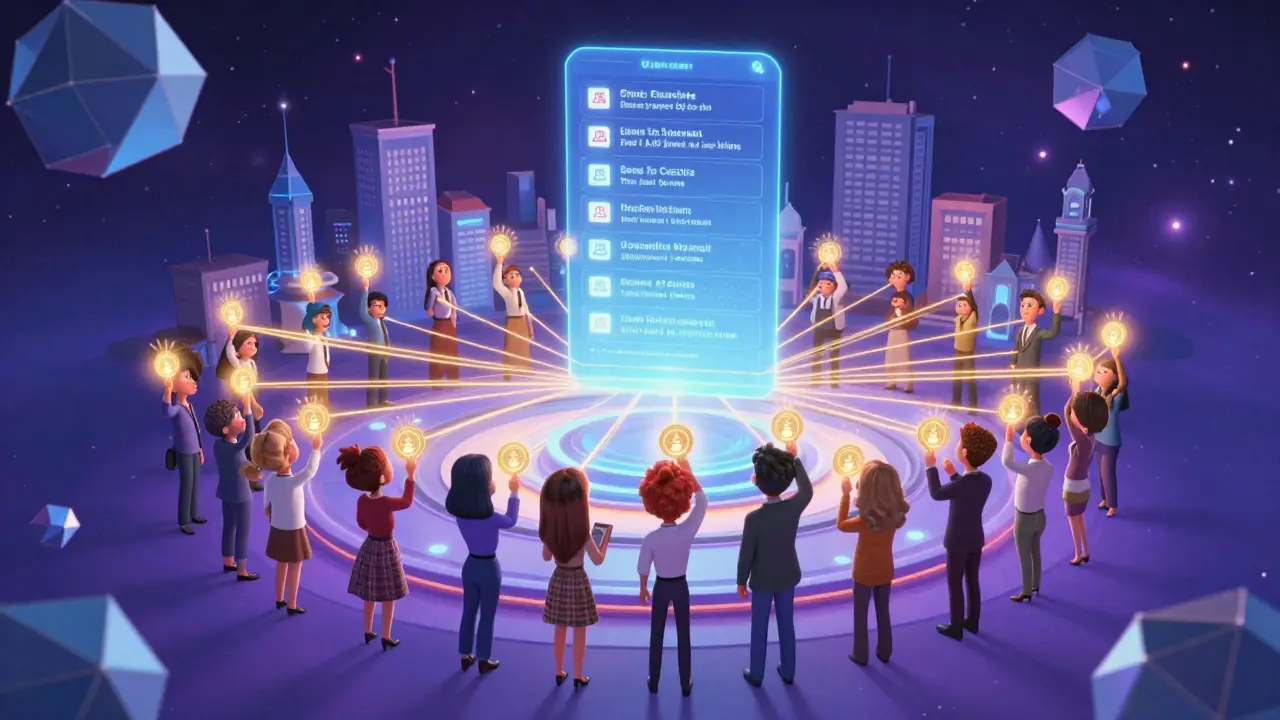
DAO governance lets communities make decisions using blockchain voting, governance tokens, and smart contracts. No bosses. No middlemen. Just code and consensus.
Governance tokens, digital assets that give holders the right to vote on protocol upgrades, treasury spending, and rule changes in decentralized networks. Also known as DAO tokens, they’re the backbone of true decentralization—turning users into stakeholders instead of just buyers. Without them, crypto projects are just code with no real owners. With them, anyone holding even a small amount can influence whether a protocol adds new features, changes its fee structure, or even redirects its funding.
These tokens don’t just let you vote—they create alignment. If you own governance tokens in a DeFi protocol like Uniswap or Balancer, your financial interest is tied to the project’s success. That’s why smart teams distribute tokens to early users, liquidity providers, and developers. It’s not a giveaway—it’s a way to build a loyal, invested community. Projects that skip this step often fail when they need to make hard decisions, because no one feels responsible. You can see this in failed airdrops like ZWZ or AXL INU, where no real governance structure existed, and the project vanished overnight.
But not all governance is equal. Some tokens are symbolic—holders vote, but the core team ignores results. Others, like those in DAOs, decentralized autonomous organizations that operate on blockchain rules without central leadership, actually execute votes automatically through smart contracts. Then there’s DeFi governance, the system of rules and voting mechanisms that control decentralized finance protocols, where proposals can change interest rates, add new collateral types, or even shut down risky pools. The best ones let you vote with your tokens, but also require you to lock them up (staking) to prevent vote buying.
What you’ll find in this collection aren’t theory pieces. These are real cases: how Balancer’s liquidity pools are shaped by token holder votes, how GamesPad’s GMPD token gives users a say in its gaming ecosystem, and why projects like Eclipse or Qubic need strong governance just to survive. You’ll also see what happens when governance is ignored—like with HitBTC, where no user input exists, and decisions are made behind closed doors. This isn’t about hype. It’s about who really controls the money, the rules, and the future of the network. Below, you’ll find clear breakdowns of actual tokens, real voting outcomes, and the scams that pretend to be governance but are just traps.
 4 Dec 2025
DAO governance lets communities make decisions using blockchain voting, governance tokens, and smart contracts. No bosses. No middlemen. Just code and consensus.