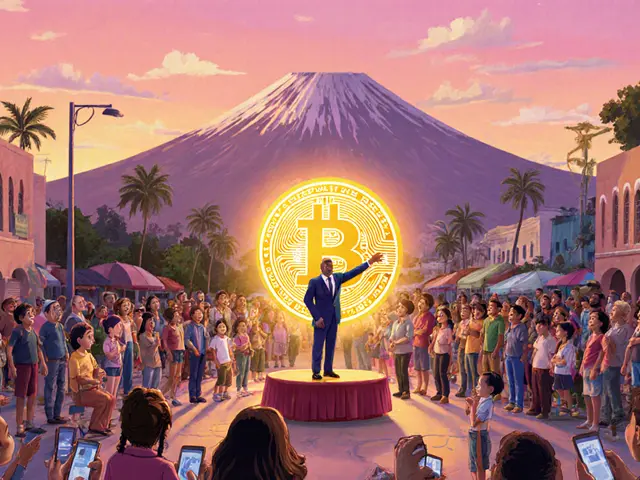
Hakka Finance Protocol: What It Is, How It Works, and What Happened
When you hear Hakka Finance protocol, a decentralized finance platform that combined lending, borrowing, and yield farming on Ethereum. Also known as Hakka Finance, it was one of the early DeFi projects that tried to make earning interest on crypto simple — no bank, no paperwork, just smart contracts. Unlike big names like Aave or Compound, Hakka Finance didn’t chase massive TVL. Instead, it focused on small, loyal communities and offered unique rewards for holding its token, HAKKA. Users could lock up assets like ETH or USDC, earn interest, and get extra HAKKA tokens as incentives — all without needing to trade or take on risky leverage.
The protocol relied on yield farming, a method where users provide liquidity to DeFi platforms in exchange for rewards. Also known as liquidity mining, this was the engine behind Hakka’s growth. But it wasn’t just about staking — the team added gamified elements like referral bonuses and locked staking periods to keep users engaged. It also supported crypto lending, allowing users to borrow against their crypto holdings without selling them. This made it useful for people who wanted cash flow without giving up their positions.
By mid-2022, Hakka Finance had attracted thousands of users, mostly from Asia and Latin America, where access to traditional finance was limited. But then things slowed. The team stopped updating the app. Rewards dried up. The HAKKA token lost over 90% of its value. No major announcement. No exit plan. Just silence. It wasn’t a hack. It wasn’t a rug pull. It was a slow fade — a quiet shutdown that left users wondering if their locked funds would ever be released. Many didn’t get them back.
Today, Hakka Finance is a case study in DeFi’s hidden risks. Not every project with a whitepaper and a website is built to last. Some are experiments. Some are community-driven. And some? They’re built on hope — and when that hope fades, so does the protocol. But even in its decline, Hakka Finance taught us something important: real DeFi doesn’t just need smart contracts. It needs ongoing care, transparency, and a team willing to show up — even when the market turns cold.
Below, you’ll find real posts that dig into similar protocols, the mechanics behind yield farming, and how to spot when a DeFi project is more hype than substance. No fluff. Just what happened, why it matters, and how to protect yourself next time.