Bart Simpson Coin (BART) Explained: What It Is, How It Works, and Risks
A concise guide to Bart Simpson Coin (BART): what it is, its tech specs, market data, how to trade it, risks, and a comparison with major meme tokens.
When you hear the term meme cryptocurrency, a type of digital token that gets most of its value from jokes, viral memes, and community hype. Also known as meme coin, it thrives on internet culture rather than traditional utility. Because its price moves with memes, social media buzz, and celebrity tweets, investors treat it like a roller‑coaster ride that can skyrocket overnight and dip just as fast. This wild behavior makes understanding the surrounding ecosystem crucial before you jump in.
One of the first success stories is Dogecoin, a pioneering meme token launched in 2013 that leverages a playful brand and an active community. Close behind are Shiba Inu, often dubbed the "Dogecoin killer" for its aggressive marketing and large token supply, and Pepe coin, a newer meme token that rides the popularity of the Pepe meme on social platforms. These three illustrate how a quirky mascot, a strong on‑chain community, and relentless meme‑driven promotion can turn a joke into a market mover. Each token also shows different approaches to tokenomics, from low fees to deflationary burns.
Tokenomics is the next piece of the puzzle. A meme cryptocurrency’s tokenomics often includes features like low transaction costs, automatic liquidity generation, and periodic burns that create artificial scarcity. For example, Dogecoin has a fixed supply that keeps inflation predictable, while Shiba Inu uses a burn mechanism that wipes out a portion of tokens on each sale. Understanding these mechanics helps you gauge how supply changes could affect price spikes after a viral meme spreads.
Community engagement is the engine that powers meme cryptocurrency price swings. Social platforms such as Twitter, Reddit, and TikTok act as real‑time amplifiers. When a celebrity like Elon Musk tweets about Dogecoin, the token can surge 30% in minutes. Meanwhile, coordinated airdrops—free token giveaways tied to community actions—can spark massive onboarding. Projects often pair airdrops with meme contests, encouraging users to create viral content that further fuels demand.
Regulators are starting to notice the hype. While most meme tokens operate in a gray area, some jurisdictions flag them as securities if they promise profit based on future expectations. This means that a sudden crackdown could affect liquidity or even force exchanges to delist certain tokens. Keeping an eye on regulatory headlines helps you avoid unexpected roadblocks.
Below you’ll find a curated list of articles that dive deep into these topics. Whether you want to compare Dogecoin’s long‑term performance, learn how to claim a Shiba Inu airdrop, or dissect Pepe coin’s tokenomics, the collection has you covered. Explore the guides, gains, and governance insights that will help you navigate the meme cryptocurrency landscape with confidence.
 5 Oct 2025
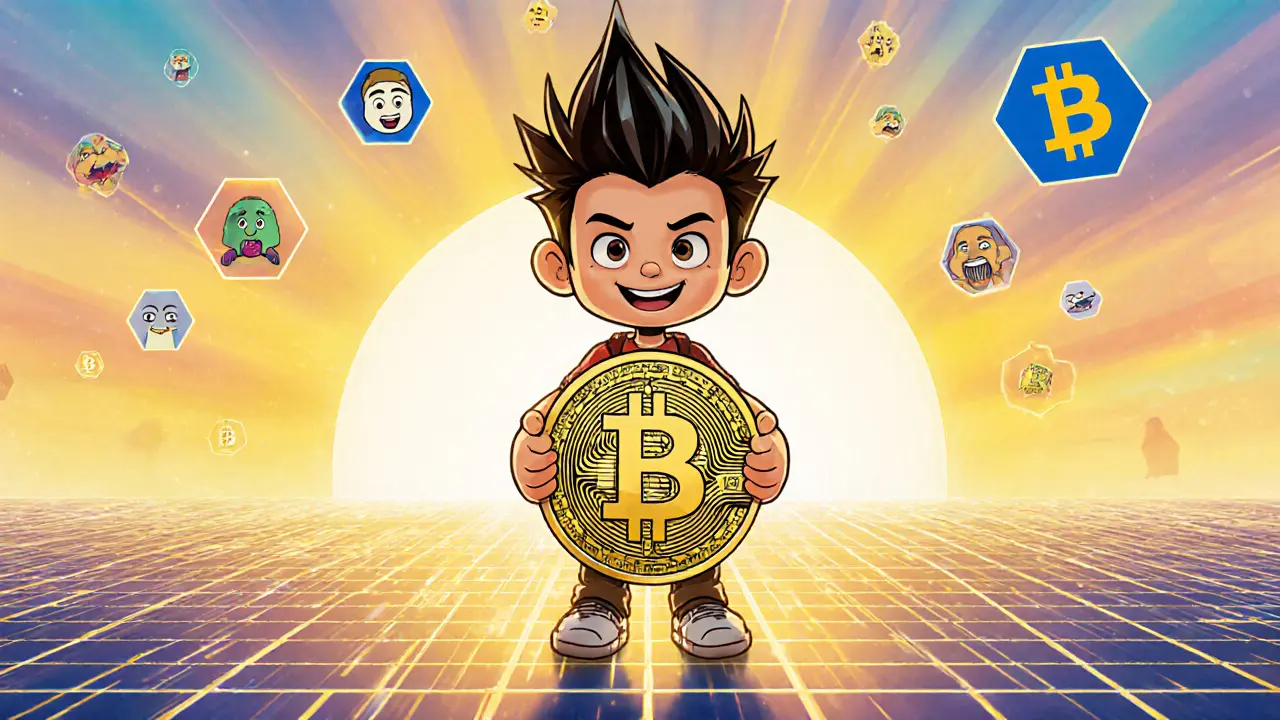
A concise guide to Bart Simpson Coin (BART): what it is, its tech specs, market data, how to trade it, risks, and a comparison with major meme tokens.
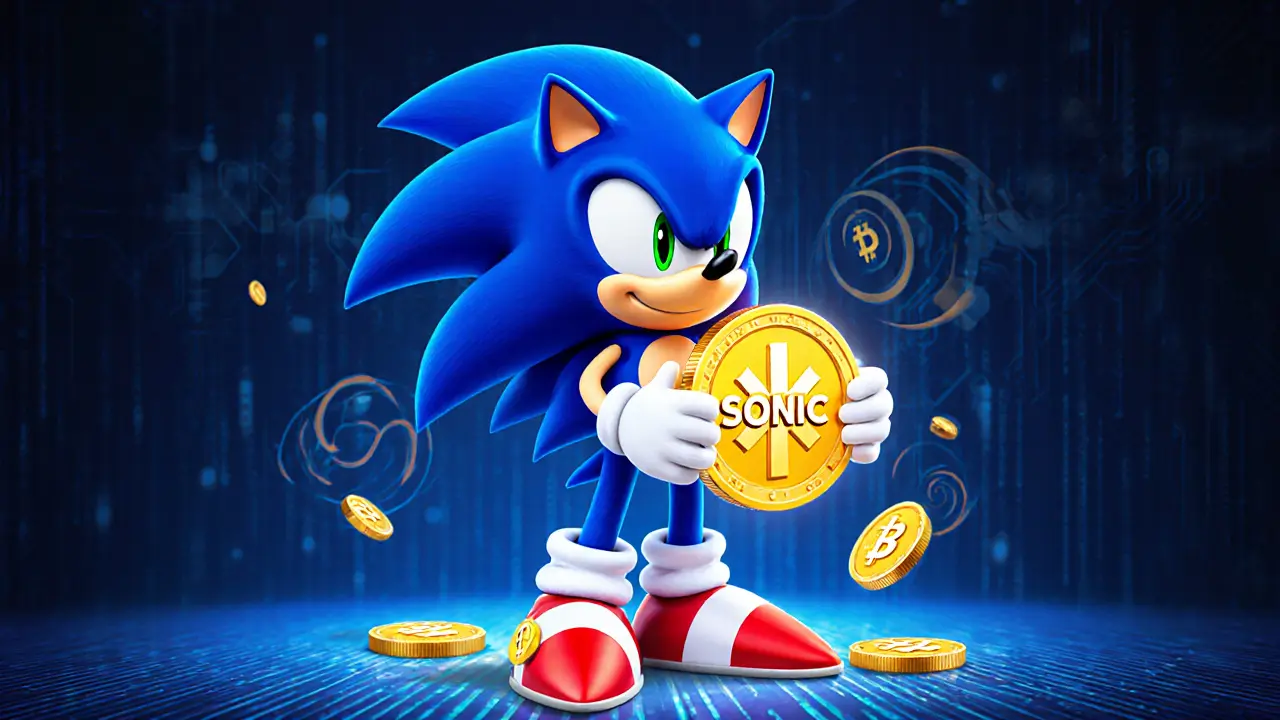 26 Apr 2025
A detailed look at Sonic Inu (SONIC) crypto coin: its blockchain, tokenomics, market data, risks, and how to trade it, plus a comparison with other meme coins.