Qubic Blockchain: What It Is, How It Works, and Why It Matters
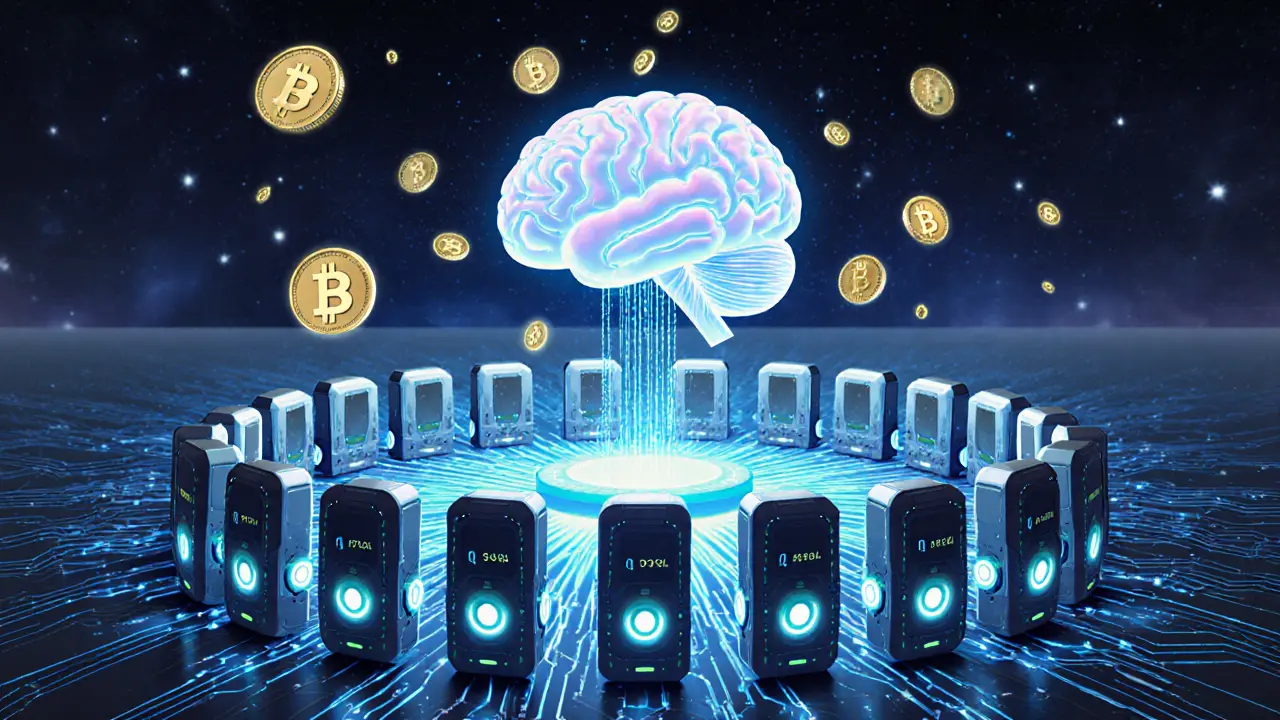
When you hear Qubic blockchain, a blockchain platform designed for AI-driven computation and quantum-resistant consensus. Also known as Qubic Network, it’s not just another crypto project—it’s built to handle real-time data from sensors, AI agents, and decentralized applications without relying on traditional mining. Most blockchains struggle with speed, energy use, or future-proofing against quantum computers. Qubic tackles all three by replacing proof-of-work with a novel consensus method called Quorum-Based Consensus, a system where nodes vote on transaction validity using cryptographic puzzles that even quantum computers can’t easily break. This isn’t theory—it’s been tested in live networks since 2021, with real-world use cases in IoT data verification and edge computing.
What makes Qubic different isn’t just the tech—it’s the goal. While other chains chase DeFi yields or NFT hype, Qubic focuses on AI-Blockchain Integration, a fusion where smart contracts trigger actions based on live data from physical devices, like weather sensors or factory machines. Imagine a farm’s soil sensors automatically paying farmers in Qubic tokens when moisture levels drop below a threshold. Or a logistics company using Qubic to verify shipment conditions in real time without a central authority. That’s the kind of utility this network was built for. And unlike projects that promise AI but deliver empty whitepapers, Qubic has actual computational nodes running on low-cost hardware, turning idle devices into blockchain validators.
The Qubic coin, the native token used to pay for computation power and secure the network. isn’t traded on major exchanges, which is why you won’t see it on CoinMarketCap. But that doesn’t mean it’s irrelevant. It’s designed to be used, not speculated on. The token rewards users who contribute computing power—think of it like Bitcoin mining, but without the giant rigs or electricity bills. Instead, you can run a node on a Raspberry Pi. This makes it accessible to individuals in developing regions where energy is expensive but hardware is cheap. The network’s architecture also avoids the centralization trap: no single entity controls the validator set, and the consensus algorithm adjusts dynamically based on participation.
So why does this matter now? Because as AI becomes more embedded in daily life, we need blockchains that can keep up—not just store data, but process it. Qubic isn’t trying to be Ethereum or Solana. It’s trying to be the invisible backbone for smart devices that need trust, speed, and security without relying on corporations. If you’ve ever wondered how blockchain could do more than move money, Qubic gives you a real answer. Below, you’ll find posts that dig into how it compares to other blockchain architectures, what’s really happening with its tokenomics, and why some developers are quietly building on it—even if no one’s talking about it yet.