QUBIC Coin: What It Is, How It Works, and What You Need to Know
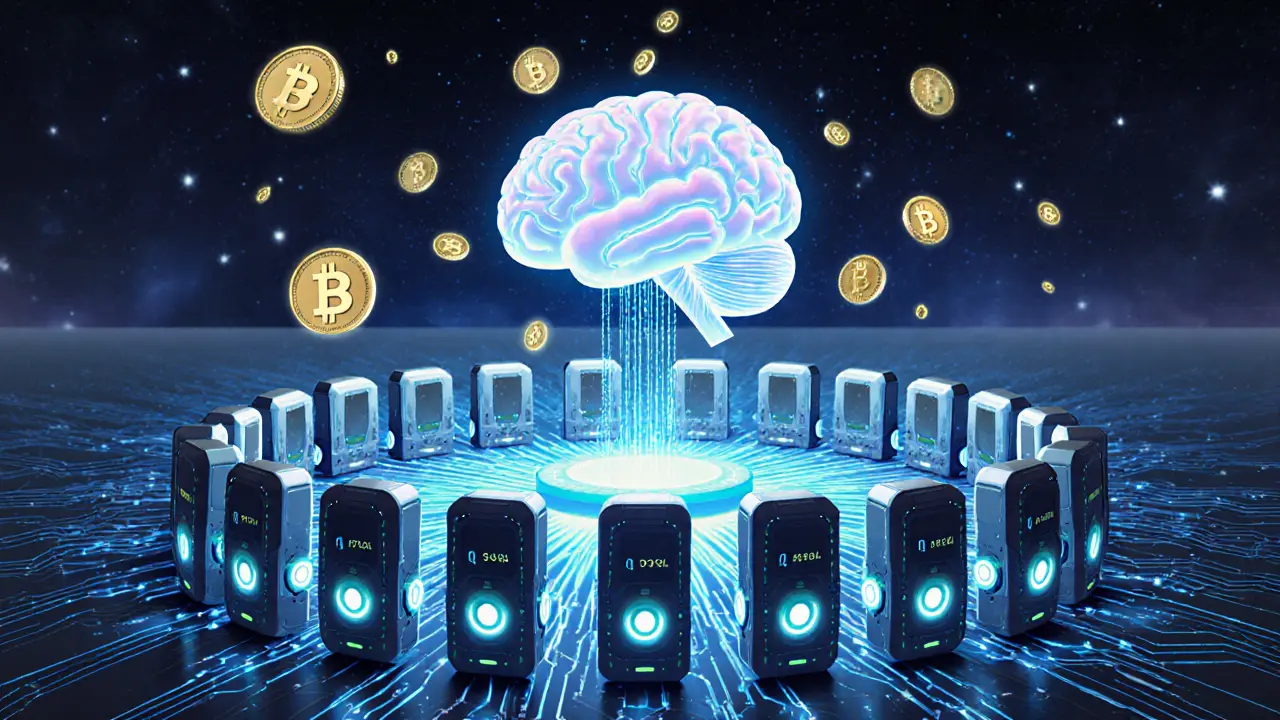
When you hear QUBIC coin, a blockchain-based cryptocurrency designed for decentralized computing and smart contract execution. Also known as QUBIC token, it aims to turn idle computing power into a tradable asset on a global network. Unlike Bitcoin or Ethereum, QUBIC doesn’t just move money—it lets users rent out their CPU, GPU, or storage to run computational tasks for others, earning rewards in return. Think of it like Airbnb for computer power, but on a blockchain.
QUBIC’s system runs on a hybrid model that combines proof-of-stake and proof-of-computing. Users stake QUBIC tokens to gain access to the network’s computing resources, and in return, they can participate in tasks like running AI models, processing data, or validating smart contracts. The more computing power you contribute, the more rewards you earn. This model tries to solve a real problem: most people’s computers sit unused 90% of the time. QUBIC says, why not get paid for that?
But here’s the catch—QUBIC has faced heavy skepticism. There’s no public team, no clear roadmap since 2022, and very little activity on major blockchain explorers. Some users report the token has no real exchange listings outside obscure platforms. The project claims to be building a decentralized cloud, but without verifiable code, active development, or third-party audits, it’s hard to tell if it’s a working platform or just a speculative bet. If you’re looking for something with traction, you’ll find plenty of alternatives like Render Network or Akash Network that actually deliver on their promises.
Still, QUBIC is part of a bigger trend: turning unused tech resources into crypto assets. Projects like blockchain computing, a category of crypto projects that monetize distributed hardware for real-world tasks are gaining ground because they solve tangible problems. Whether QUBIC is one of them—or just noise—is up for debate. What’s clear is that if you’re considering investing, you’re not just betting on price. You’re betting on whether a project with no visible team, no GitHub activity, and zero media coverage can somehow pull off a functional global computing network.
Below, you’ll find posts that cover similar topics: tokens tied to computing power, networks that reward participation, and crypto projects that sound promising but lack proof. Some of these are scams. Others are quietly building something real. We’ll help you tell the difference.