SHA-256: What It Is and Why It Keeps Crypto Secure
When you hear about SHA-256, a cryptographic hash function that turns any input into a fixed 256-bit string. Also known as Secure Hash Algorithm 256-bit, it’s the invisible lock on Bitcoin’s ledger and the engine behind most crypto mining. It doesn’t store data—it fingerprints it. Type in "hello" or a whole book, and SHA-256 gives you a unique 64-character code every time. Change one letter? The whole code flips. That’s why it’s perfect for blockchain: one tiny tweak in a transaction means the entire chain’s hash changes, making tampering impossible without getting caught.
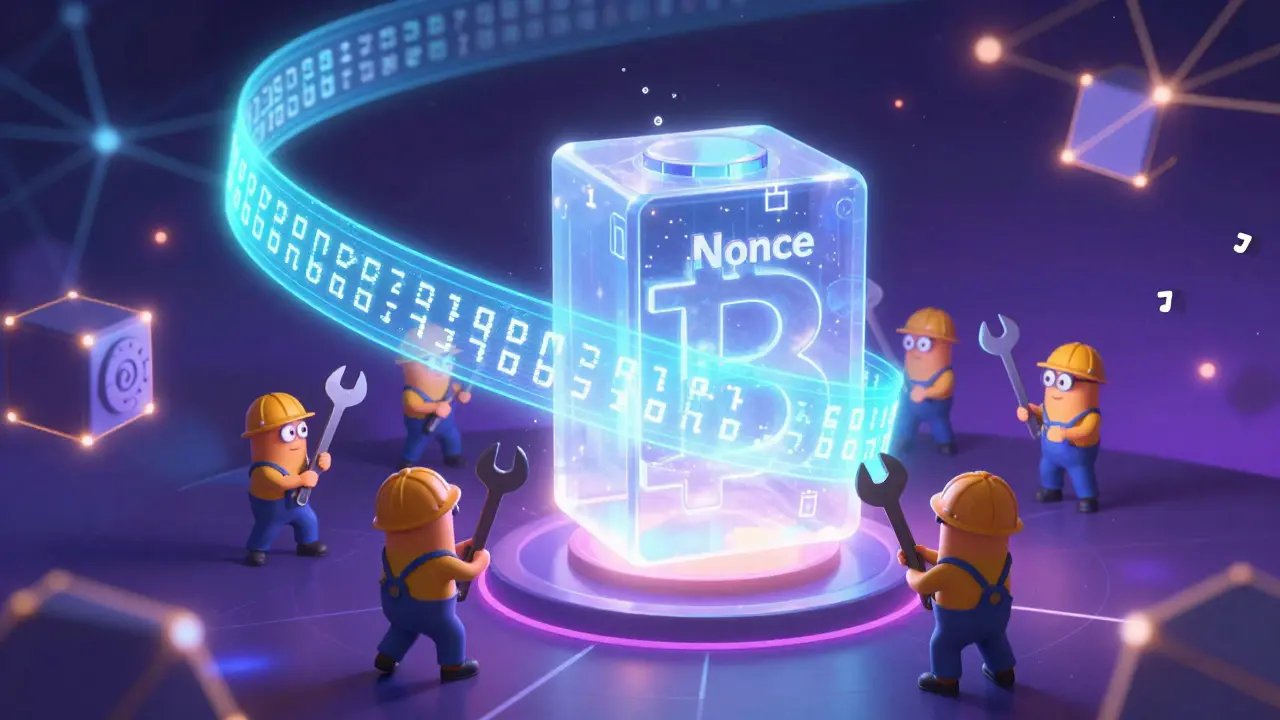
SHA-256 isn’t just about security—it’s how Bitcoin mining, the process of validating transactions and adding them to the blockchain actually works. Miners race to guess a number that, when added to a block of transactions and run through SHA-256, produces a hash starting with a bunch of zeros. It’s like rolling dice until you get a specific pattern—except you’re doing it billions of times per second. The first to solve it gets rewarded. That’s why SHA-256 is the backbone of proof-of-work. Without it, Bitcoin wouldn’t be decentralized. It’d be just a database someone could edit.
It also shows up in cryptographic hash, a one-way function used to verify data integrity across crypto networks everywhere. Wallet addresses? Generated from SHA-256. Digital signatures? Built on it. Even when you check if a file you downloaded is legit, crypto projects often give you a SHA-256 checksum to compare. If it matches, you know nothing was changed in transit. That’s not magic—it’s math that’s stood the test of time since 2001.
You won’t see SHA-256 in your wallet app, but it’s working every time you send crypto. It’s what stops someone from changing a transaction after it’s signed. It’s what makes sure your Bitcoin balance can’t be forged. And it’s why, even as new blockchains pop up with faster algorithms, SHA-256 still runs the most valuable one in the world.
Below, you’ll find posts that dig into how SHA-256 powers real crypto systems—from mining rewards and wallet security to how it connects to forks, exchanges, and even AI blockchains. No theory without practice. Just how it actually works in the wild.