ZWZ Airdrop Details: What Happened with Zombie World Z and Why It Matters Now
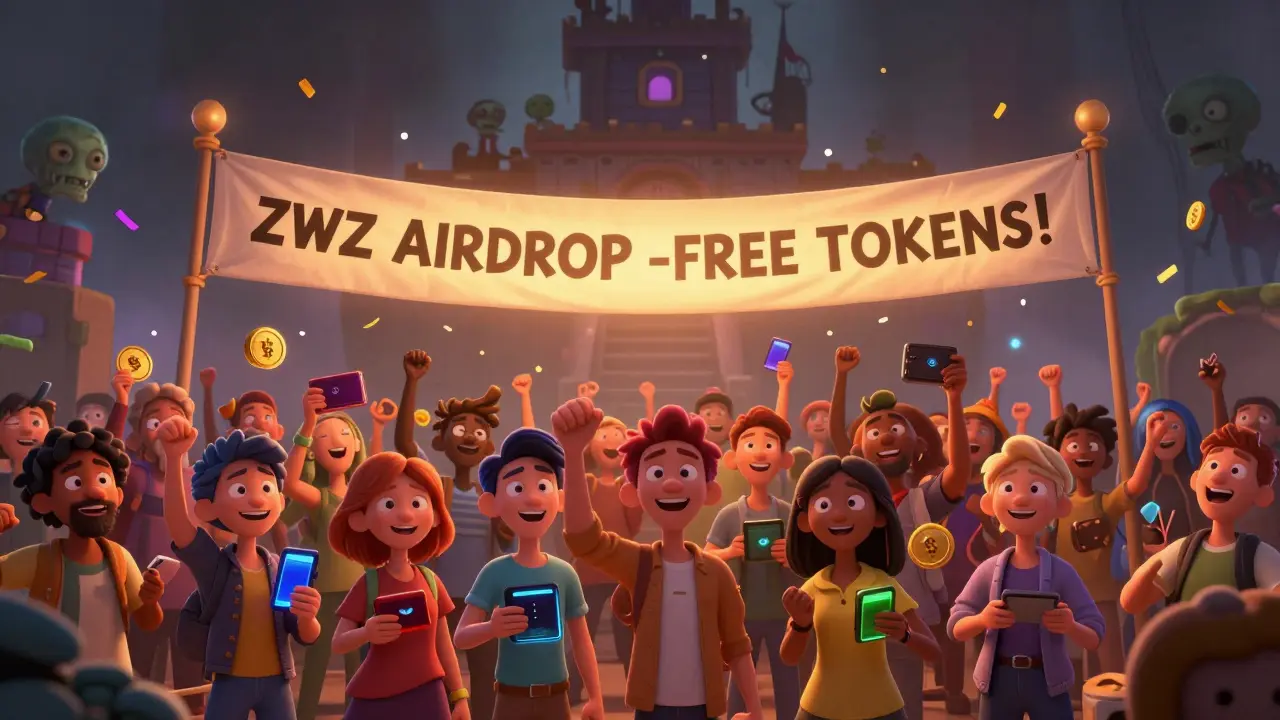
The ZWZ airdrop attracted 4 million participants in 2021 but vanished without a trace. Learn what happened, why it failed, and how to avoid similar crypto scams today.
When you hear Zombie World Z, a blockchain-based play-to-earn game where players battle zombies using NFT characters and weapons. It's not just another crypto game—it's a living economy built on ownership, strategy, and community-driven rewards. Unlike games where you just spend time to earn tokens, Zombie World Z gives you real digital assets you can trade, upgrade, or sell. That’s the core of what makes it stand out: your in-game items aren’t just pixels—they’re yours, recorded on the blockchain.
It connects to bigger trends in crypto gaming, games built on blockchains that let players own and profit from in-game assets, and NFT games, games where characters, land, or gear are unique non-fungible tokens. These aren’t just side projects anymore. They’re replacing traditional in-game economies where companies lock your progress behind paywalls. With Zombie World Z, you’re not just playing—you’re building value. And that value doesn’t disappear when you log off.
What’s happening in Zombie World Z mirrors what’s going on across the space. Players are trading rare zombie skins, staking tokens to unlock better gear, and joining guilds to take down high-level bosses together. It’s not fantasy—it’s real economic activity. The game’s tokenomics, how rewards are distributed, and how often new NFTs drop all shape whether players stick around or move on. And that’s why so many of the posts below dig into similar projects: they’re all trying to answer the same question—how do you build a game where players actually win?
You’ll find posts here that break down how NFT games like Zombie World Z handle token distribution, what makes certain assets valuable, and how scams hide behind the same flashy names. Some explain how to qualify for airdrops tied to these games. Others warn you about fake projects pretending to be part of the same ecosystem. There’s no fluff. Just real talk about what works, what doesn’t, and who’s really in control.
 5 Dec 2025
The ZWZ airdrop attracted 4 million participants in 2021 but vanished without a trace. Learn what happened, why it failed, and how to avoid similar crypto scams today.