Crypto Exchanges and Stablecoins in November 2025: DEXs, Regulations, and Airdrops
When it comes to crypto exchanges, platforms where users buy, sell, or trade digital assets, ranging from centralized services like Coinbase to decentralized protocols like FlatQube and Balancer v2. Also known as crypto trading platforms, they’re the gateway most people use to enter the blockchain world—whether they’re swapping tokens, earning yield, or chasing airdrops. In November 2025, the landscape split into two clear paths: one for users who want control and low fees, and another for those stuck behind geographic walls.
Decentralized exchanges, platforms like FlatQube on Everscale and Balancer v2 on Polygon zkEVM that let you trade without handing over your keys. Also known as DEXs, they’re growing fast because they cut out middlemen and slash gas costs to pennies. FlatQube offers high-yield farming on a niche chain, while Balancer v2 lets traders automate portfolio rebalancing with $0.015 swaps. Meanwhile, fiat-backed stablecoins, assets like USDT and USDC that maintain a $1 value by holding real-world cash reserves and undergoing audits. Also known as centralized stablecoins, they’re the backbone of crypto trading—keeping prices stable so traders aren’t constantly guessing whether their holdings will drop 20% in an hour. Their reliability is why they’re still the go-to for entering and exiting trades, even as new algorithmic models rise and fall.
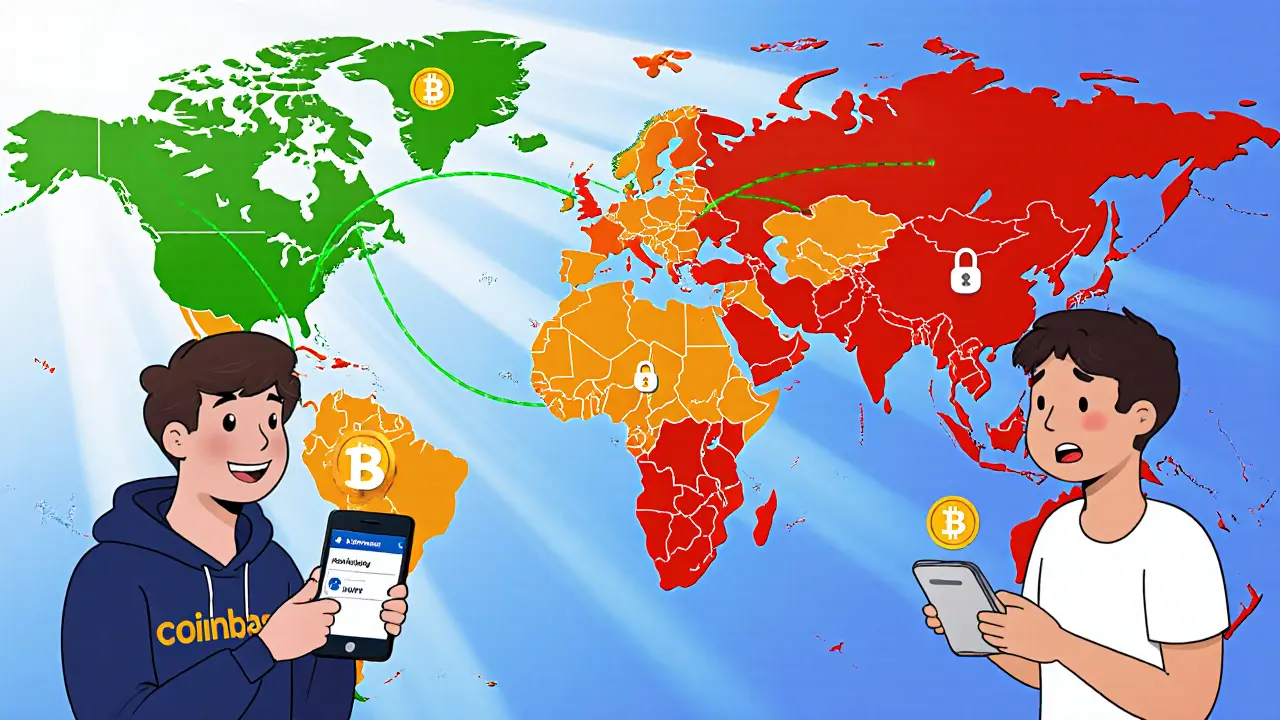
But not everyone can access these tools. regulatory challenges, legal hurdles like AUSTRAC in Australia, FATCA for U.S. citizens, and FATF guidelines that force exchanges to block users by country. Also known as crypto compliance issues, they’re why Coinbase restricts access in over 50 countries and why blockchain insurance still can’t scale. If you’re in a restricted region, you’re either using a DEX with no KYC—or you’re missing out entirely. And that’s where airdrops, free token distributions tied to wallet activity, NFT ownership, or protocol usage. Also known as crypto rewards, they become lifelines for users locked out of traditional exchanges. The ZERC swap from DeRace, the OneRare Foodverse NFT drops, and the unconfirmed Unbound SuperHero rewards weren’t just marketing—they were access passes.
What you’ll find here isn’t theory. These are real tools, real risks, and real people navigating a fragmented system. You’ll read about how Qubic’s AI-powered blockchain claims 15.5 million TPS, why Dogcoin (DCOIN) is a red flag with a 75% price drop, and how RAI Finance turns social trading into automated copy-paste profits. Some posts explain how liquidity keeps Bitcoin stable. Others break down why a crypto exchange in South Africa, OVEX, offers 8.5% interest while U.S. users get nothing. This isn’t a hype list. It’s a snapshot of what worked, what failed, and who got left behind in November 2025.