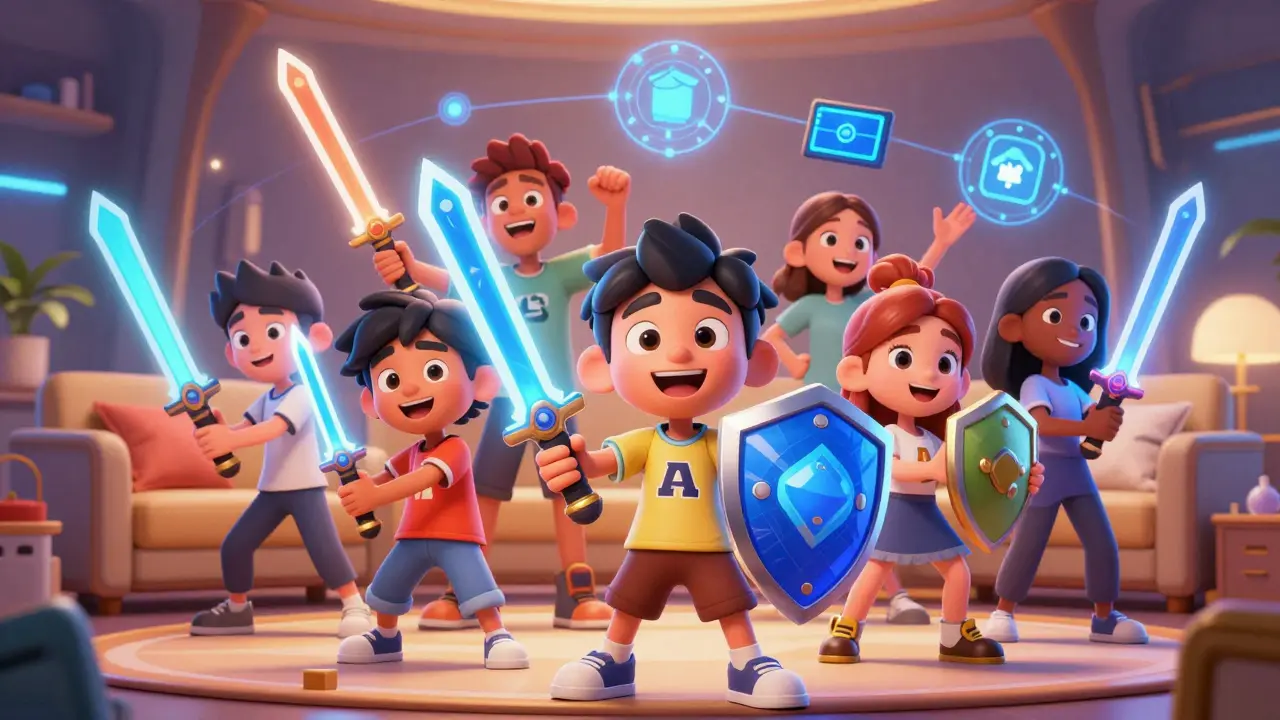
Remember the frustration of spending hundreds of hours grinding for a legendary sword in an MMO, only to have the server shut down and your progress vanish into thin air? For years, that was the standard deal. You played the game, but you didn't own anything. In 2026, the landscape has shifted dramatically. Non-fungible tokens (NFTs) have moved past the hype cycle of speculative trading and settled into a mature utility phase. For game developers, this isn't just about selling digital jpecks; it's about building sustainable economies where players actually hold the keys to their inventory.
The shift from traditional microtransactions to blockchain-based ownership offers concrete advantages. It changes how you fund projects, how players interact with your IP, and how your game fits into a larger ecosystem. If you are a developer looking to integrate these technologies, understanding the specific benefits is crucial for survival and growth in the current market.
Sustainable Revenue Through Secondary Royalties
The most immediate benefit for any studio is the ability to capture value beyond the initial sale. In traditional gaming, once a player buys a skin or a character, the transaction ends. The developer sees no further revenue if that item changes hands on a secondary market (if one even exists). With NFTs, which are unique digital assets verified on a blockchain that represent ownership of a specific item, the economics change completely.
When you mint an in-game asset as an NFT, you can program smart contracts to enforce royalties. This means every time that sword or avatar is resold between players, a percentage automatically flows back to your wallet. This creates a recurring revenue stream that supports long-term development, server costs, and new content creation. It aligns your incentives with the community: if the game grows and demand for assets rises, your income scales accordingly.
This model also opens doors for pre-launch funding. Instead of relying solely on venture capital or expensive marketing campaigns, developers can release limited-edition founder items or early-access passes. These act as both a reward for early adopters and a source of liquidity to fund the next phase of development. It’s a way to validate interest before committing millions to full production.
True Digital Ownership and Player Retention
Player retention is the lifeblood of live-service games. Traditional games rely on engagement loops that often feel like chores. NFTs introduce the concept of "Play-to-Own" (P2O), replacing the earlier, often criticized "Play-to-Earn" models that felt more like jobs than entertainment. When players know they truly own their assets, their emotional and financial investment deepens.
Ownership means control. Players can take their items out of the game, store them in a personal wallet, or sell them on open markets without needing permission from a central authority. This transparency builds trust. In 2026, gamers are savvy; they know the difference between a license to use an item and actual ownership. By offering true ownership, you differentiate your title from competitors who still lock users into walled gardens.
This sense of agency leads to stronger communities. Players become stakeholders. They are more likely to participate in governance discussions, report bugs, and create user-generated content because they have a tangible stake in the health of the ecosystem. A passionate community reduces churn and turns players into advocates.
Interoperability and Cross-Platform Utility
One of the biggest promises of Web3 gaming is interoperability-the ability for assets to move between different games and platforms. While full universal interoperability is still evolving, significant strides have been made in creating shared ecosystems. Imagine a scenario where a helmet earned in a tactical shooter can be used as a cosmetic item in a fantasy RPG within the same publisher's universe, or even across partner studios.
Interoperable Assets are digital items designed to function across multiple virtual environments, retaining their metadata and utility regardless of the platform. For developers, this reduces user acquisition costs. If a player already owns a popular character skin from another successful game, they are more likely to try your title to see how that asset performs in a new context. It creates a network effect where the value of each individual game increases as the ecosystem grows.
This doesn't mean every item needs to work everywhere. Context matters. However, having the technical architecture to support cross-platform identity and asset transfer future-proofs your development. It allows you to collaborate with other creators, tapping into their player bases while offering your own unique experiences.
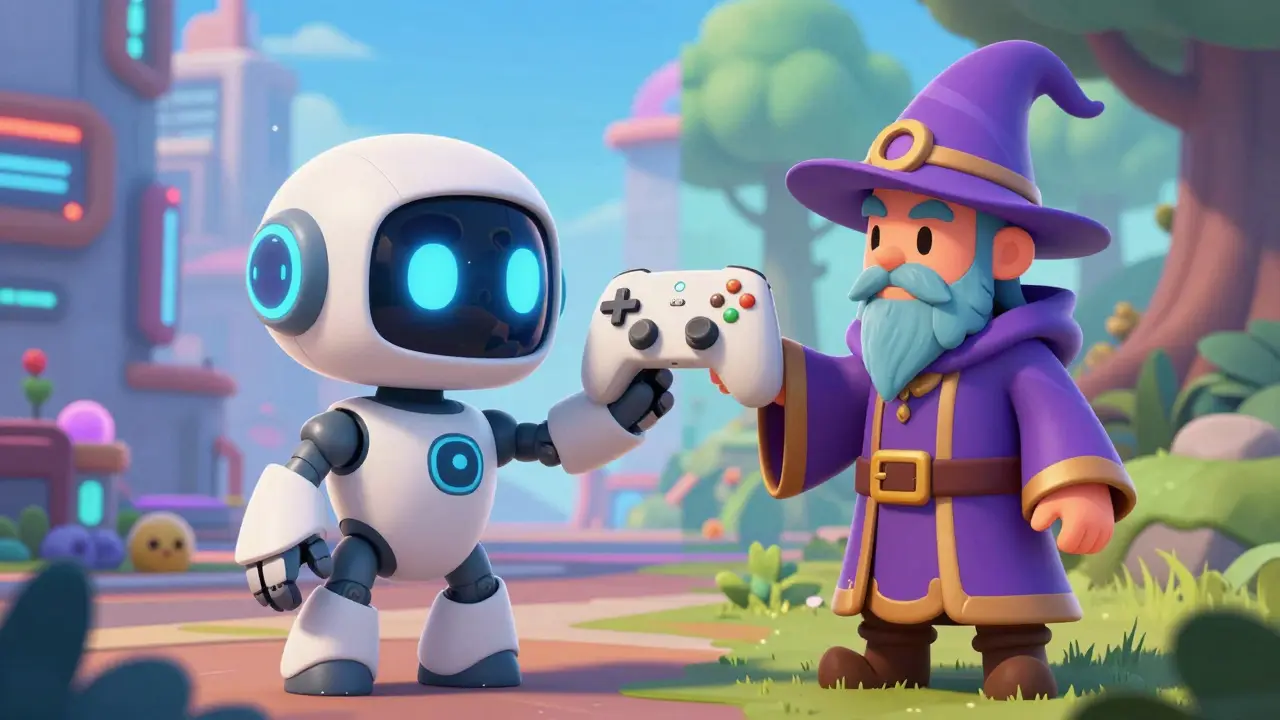
Innovative Design with Dynamic NFTs and AI
NFTs are not static images anymore. In 2026, dynamic NFTs (dNFTs) are becoming a standard tool for creative directors. These assets can evolve based on player behavior, external data, or time. A sword might change its appearance based on how many enemies it has defeated. A pet companion could grow older or gain new abilities as the player levels up.
Integrating artificial intelligence with these dynamic tokens opens up unprecedented design possibilities. AI-driven narratives can adapt to the state of a player's NFT collection, creating personalized storylines. For example, if a player collects rare historical artifacts, the game's AI could generate quests specifically tailored to those items, making the experience feel uniquely theirs.
This level of personalization enhances replayability. No two players will have the exact same journey or asset history. It transforms the game from a static product into a living, breathing entity that responds to its users. For developers, this means less need for manual content updates and more reliance on procedural generation and smart contract logic.
Community Governance via DAOs
Traditional game development is top-down. Studios decide what features get added, and players accept or leave. NFT integration enables Decentralized Autonomous Organizations (DAOs), where token holders vote on key decisions. This could range from choosing the next map expansion to deciding how treasury funds are spent.
Implementing a DAO structure shifts the relationship from customer-vendor to co-creator-partner. It empowers the community to shape the direction of the game. While this requires careful management to avoid gridlock or mob rule, it fosters an incredibly loyal user base. Players feel heard and valued. This collaborative approach can lead to better decision-making, as the community provides real-time feedback on what they actually want, rather than what executives assume they want.
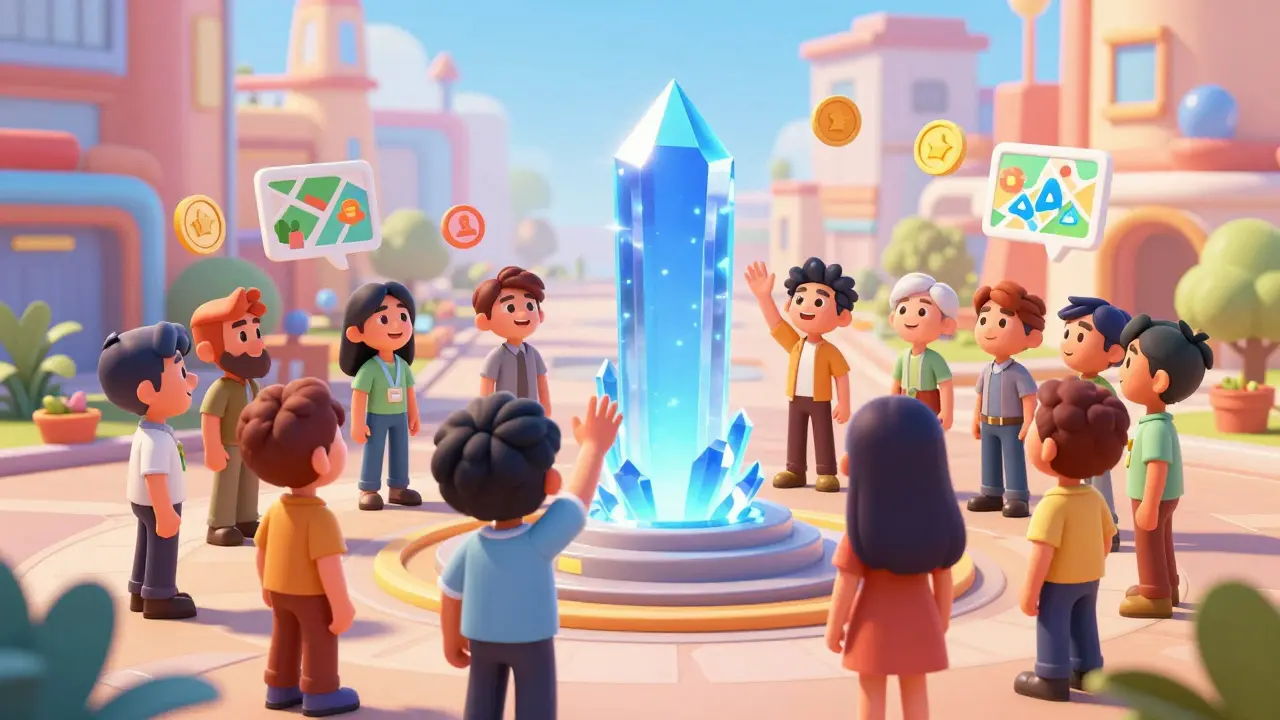
Technical Considerations and Security
While the benefits are clear, integrating blockchain technology adds complexity. Developers must now understand smart contract programming, gas fees, and wallet connectivity. Security is paramount. A bug in a smart contract can lead to irreversible loss of funds or assets. Therefore, rigorous auditing and testing are non-negotiable.
However, the barrier to entry has lowered significantly. Tools like Unity WebGL plugins, Unreal Engine integrations, and layer-2 scaling solutions make it easier to build seamless experiences. Players don't need to manage private keys manually; abstracted wallets provide a familiar login experience. The focus for developers should be on hiding the complexity behind a polished UI, ensuring that the blockchain aspect feels like a feature, not a hurdle.
| Feature | Traditional Gaming | NFT/Web3 Gaming |
|---|---|---|
| Asset Ownership | Licensed by publisher | Owned by player (on-chain) |
| Secondary Market | Restricted or banned | Open with developer royalties |
| Interoperability | Walled gardens | Cross-platform potential |
| Governance | Centralized studio decisions | Community-driven (DAOs) |
| Revenue Model | One-time sales/microtransactions | Royalties + primary sales |
Metaverse Integration and Future-Proofing
The metaverse is no longer a buzzword but a functional layer of the internet. NFTs serve as the bridge between isolated games and this broader digital economy. By building with NFT standards, developers ensure their assets remain relevant even as the metaverse evolves. Your game becomes a node in a larger network of social interaction, commerce, and entertainment.
This integration allows for hybrid experiences. Players might attend a virtual concert in one app, wear their favorite band's NFT merch, and then enter your game wearing the same outfit. This continuity enhances brand loyalty and keeps your IP visible across multiple touchpoints. It positions your studio at the forefront of the next generation of digital interaction.
Are NFTs still profitable for game developers in 2026?
Yes, but the model has matured. Profitability now comes from sustainable royalty streams and increased player retention due to true ownership, rather than speculative price spikes. Developers who focus on utility and gameplay quality over hype see the best results.
Do players need crypto wallets to play NFT games?
Not necessarily. Modern Web3 games use abstracted wallets that hide the complexity of private keys. Players can often log in with email or social accounts, with the blockchain handling the backend ownership verification seamlessly.
What are the main risks of integrating NFTs into games?
Key risks include smart contract vulnerabilities, regulatory uncertainty regarding digital assets, and potential backlash if the implementation feels predatory. Thorough security audits and transparent communication with the community are essential to mitigate these issues.
How do dynamic NFTs improve game design?
Dynamic NFTs allow assets to change based on player actions or external data. This creates personalized experiences, such as weapons that evolve with usage or characters that age, adding depth and replayability without requiring constant manual content updates from developers.
Is interoperability fully realized in the industry?
Full universal interoperability is still developing, but significant progress has been made within specific ecosystems and partnerships. Many developers are building with standardized protocols to ensure their assets can eventually move across compatible platforms, future-proofing their investments.
14 Comments
pankaj chawla
Look, I've been grinding MMOs since the dial-up days and honestly this is exactly what we needed. The secondary market royalties make total sense for studios who want to keep servers running without nickel-and-diming players on every login. It aligns incentives properly.
Jessica Lane
I find the concept of true digital ownership fascinating from a legal perspective. It fundamentally shifts the relationship between consumer and creator. When a player holds the asset outside the game's walled garden, it creates a new layer of accountability for developers regarding quality and longevity. This could revolutionize how we view virtual property rights in the near future.
Charles Pawlikowski
typical hype cycle bs again :( why do we need blockchain for everything? just let us play games without selling our souls to crypto bros. american gamers deserve better than this scammy tech wrapped in fancy words. :/
Andrea Burd
please tell me you guys are joking. nfts are still trash. i tried one back in 2021 and lost money instantly. the whole idea of 'ownership' is a joke when the server goes down anyway. also your grammar is bad lol. typical elitist take but wrong.
Akeem Whittaker
Let's break this down for those skeptical about the technical side. The key isn't the token itself but the smart contract logic enabling interoperability. If you build with standards like ERC-6551, assets can actually have agency. It’s not magic, it’s just code that respects user data sovereignty. We need to focus on UX abstraction so non-crypto users don’t feel the friction.
Manish Prajapat
The philosophical implication here is profound. We are moving from a model of consumption to one of stewardship. When a player owns an item, they become a custodian of its history within the ecosystem. This changes the narrative arc of gaming from solitary achievement to communal legacy building. It reflects a deeper human desire for permanence in transient digital spaces.
Mekz Wheoki
Oh great, another article pretending NFTs solved anything. Spoiler alert: they didn't. You're just repackaging microtransactions with extra steps and higher fees. The 'interoperability' dream is dead because no studio wants to share their IP with competitors. Wake up sheeple.
Skm Shubham
Your analysis lacks depth. You ignore the gas fee volatility which makes small transactions economically unviable for 90% of players. Also, the environmental impact is still a major PR hurdle for mainstream adoption. Until L2 solutions handle millions of TPS cost-effectively, this remains a niche toy for whales.
Rob Aronson
From a dev standpoint, the ROI on dynamic NFTs is insane 🚀. Using AI to mutate assets based on gameplay stats creates infinite content loops without manual art production. Just ensure your smart contracts are audited by top-tier firms to avoid rug pulls. Security first, always! 🔒💎
Kwon Bill
In Asia, we see this differently. The integration of social identity with wallet addresses is crucial for community governance. DAOs allow for decentralized decision-making that mirrors traditional clan structures but with transparent voting mechanisms. It bridges cultural gaps in global gaming communities effectively.
Danna Charris
Fascinating read. However, I remain unconvinced by the 'true ownership' argument. If the game shuts down, the metadata points to nothing. It is merely a receipt for a service that no longer exists. True ownership implies utility independent of the platform.
Fede Faith
I think people are missing the forest for the trees. The real win here is retention. Players stay longer when they feel invested. I've seen projects where community-driven roadmaps via DAOs led to features the devs never considered. It’s about listening, not just selling skins. Keep experimenting!
Josh Dodson
totally agree with the revenue part! its hard to fund indie games otherwise. maybe if more big studios adopt it, prices will drop. hope this helps everyone understand why devs love it now. good luck out there!
John Doe
This entire discussion feels like a desperate grasp at relevance. The core issue isn't technology; it's trust. And frankly, after years of broken promises, trust is shattered. Until developers prove they care more about gameplay than speculative value, this will remain a fringe curiosity. The emotional disconnect is palpable.