
Most people assume that using cryptocurrency means their financial life is a secret. They think that because there isn't a name attached to a wallet address, they're invisible. But here is the reality: Bitcoin is not anonymous; it is pseudonymous. That means every single transaction you've ever made is etched into a public ledger for the world to see. If someone manages to link your real-world identity to just one of your addresses, your entire financial history becomes an open book. This is where the divide between a transparent ledger and true Privacy Coins becomes critical.
The Great Misconception: Pseudonymity vs. Anonymity
To understand why people switch to privacy-focused assets, you first have to understand how the Blockchain works in a standard setup. Imagine a giant, public glass box. Everyone can see exactly how many coins are inside and where they move. In Bitcoin's world, your "identity" is your wallet address. While it's true that the address doesn't say "John Doe," it is a permanent fingerprint. If you buy a coffee with Bitcoin and the shop owner knows who you are, they now have a link to your wallet. From there, any analyst can trace every other transaction that wallet has ever touched.
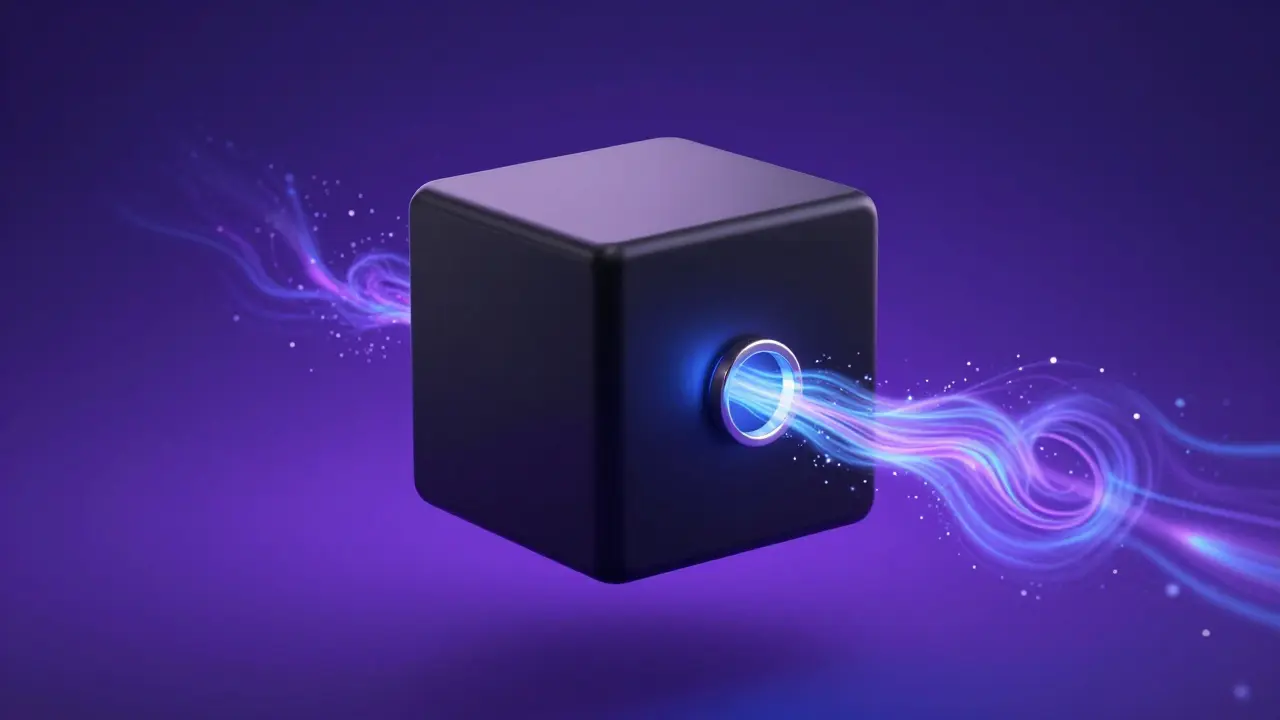
Privacy coins take a different approach. Instead of a glass box, they use a black box. They don't just hide your name; they hide the Bitcoin Anonymity gaps by masking the sender, the receiver, and the amount sent. While Bitcoin prioritizes the ability to audit the total supply of coins to ensure no one is "printing" money out of thin air, privacy coins prioritize the right to financial confidentiality.
How Privacy Coins Actually Hide Your Data
Privacy coins don't just "hide" data; they use heavy-duty math to make it impossible to trace. Different projects use different tools to achieve this. For example, Monero is widely considered the gold standard because it is private by default. It uses a combination of three main technologies:
- Stealth Addresses: Every time you receive funds, a one-time address is created. This means the public ledger doesn't show a single address accumulating wealth over time.
- Ring Signatures: This process mixes your transaction with several other users' transactions. It creates a "ring" of possible senders, making it mathematically improbable for an observer to tell which person in the group actually sent the money.
- RingCT (Ring Confidential Transactions): This hides the actual amount of the transaction, so outsiders can't see if you're sending $10 or $10 million.
Then there is Zcash, which takes a different route using zk-SNARKs (Zero-Knowledge Succinct Non-Interactive Argument of Knowledge). This allows a user to prove that a transaction is valid without revealing any of the transaction's details. Interestingly, Zcash gives you a choice: you can use "transparent" addresses (like Bitcoin) or "shielded" addresses for total privacy. This flexibility is great, but it's also a pitfall-if most users choose transparency, the anonymity set shrinks, making the shielded users easier to spot.
Comparing the Privacy Models
If you're trying to decide which system fits your needs, you have to look at the trade-offs. Bitcoin is designed for transparency and trust. Privacy coins are designed for obscurity and sovereignty. The following table breaks down how these two philosophies clash in practice.
| Feature | Bitcoin (Pseudonymous) | Privacy Coins (Anonymous) |
|---|---|---|
| Ledger Visibility | Fully Public | Obfuscated / Hidden |
| Sender/Receiver Identity | Traceable via Address | Masked via Ring Signatures/zk-SNARKs |
| Transaction Amount | Visible to all | Hidden (Confidential Transactions) |
| Fungibility | Low (Coins can be "tainted") | High (All coins are identical) |
| Auditability | Easy (Publicly Verifiable) | Difficult (Requires specific keys) |
The Concept of Fungibility: Why It Matters
You might not have heard the term "fungibility" often, but it's the most important part of the privacy debate. In a perfect world, every single coin should be worth exactly the same. In Bitcoin, this isn't always true. Because the ledger is public, some coins are "tainted." If a specific batch of Bitcoin was used in a high-profile hack five years ago, exchanges or businesses might refuse to accept those specific coins because they can trace them back to a crime.
Privacy coins solve this by ensuring that every coin is identical. Since you can't trace where a Monero coin came from, there is no such thing as a "dirty" coin. This makes the currency more like physical cash. If you give someone a $20 bill, they don't ask who owned that bill before you did. Privacy coins bring that same level of neutrality to the digital world.
The Regulatory Wall and Liquidity Risks
If privacy coins are technically superior for anonymity, why isn't everyone using them? The answer is simple: government pressure. Regulators hate things they can't track. Because privacy coins are so effective at hiding movements, they are often viewed with suspicion by agencies fighting money laundering.
This has led to a significant divide in liquidity. Bitcoin is accepted almost everywhere, from Tesla to small coffee shops. Privacy coins, however, face a "delisting" trend. Many major exchanges have removed coins like Monero and Zcash to comply with KYC (Know Your Customer) and AML (Anti-Money Laundering) laws. This creates a practical hurdle-it's much harder to trade a privacy coin for US Dollars or Euros than it is to trade Bitcoin.
Furthermore, while privacy coins provide a massive layer of obscurity, they aren't a magic invisibility cloak. Advanced blockchain analysis firms, like Chainalysis, can sometimes find patterns in how coins move in and out of exchanges, where identity is verified. No system is 100% anonymous if you are interacting with the traditional banking system.

Can Bitcoin Ever Become Truly Private?
The Bitcoin community isn't just sitting still. There have been efforts to add privacy layers to the network. One major update was Taproot, which helps hide complex transactions by making them look like simple ones. There are also third-party tools like "mixers" or "coinjoins" that allow users to pool their coins together and shuffle them, making it harder for an outside observer to tell who sent what to whom.
However, these are patches on a system that was designed to be transparent. Adding a privacy layer to Bitcoin is like putting curtains on a glass house-it helps, but the structure is still transparent. Privacy coins, on the other hand, are built from the ground up as concrete bunkers. The fundamental tension is that Bitcoin needs its transparency to prove that the 21-million-coin cap is being respected. If Bitcoin became fully anonymous, it would be much harder to verify that no one is secretly creating new coins.
Is Bitcoin completely anonymous?
No. Bitcoin is pseudonymous. While your real name isn't on the blockchain, your wallet address is. If that address is ever linked to your identity (e.g., through an exchange KYC process or a public payment), your entire transaction history can be traced by anyone with a blockchain explorer.
Which is the most private cryptocurrency?
Monero (XMR) is generally considered the most private because it implements privacy by default using ring signatures, stealth addresses, and RingCT. Unlike Zcash, where privacy is an optional feature, Monero masks almost all transaction data automatically.
What are the risks of using privacy coins?
The main risks are regulatory and liquidity-based. Many exchanges delist privacy coins to avoid legal trouble, making them harder to buy or sell. Additionally, because they are often associated with illicit activity, users may face more scrutiny when moving funds back into traditional bank accounts.
What is a "tainted" coin in Bitcoin?
A tainted coin is a Bitcoin unit that has a documented history of being used in a crime or hack. Because Bitcoin's ledger is public, services can flag these coins, and some exchanges may freeze the funds or refuse to accept them to avoid legal risk.
Can I make my Bitcoin transactions private?
Yes, but it takes effort. You can use coinjoin services (which mix your coins with others), use the Tor network to hide your IP address, or utilize updates like Taproot. However, these are not as robust as the built-in anonymity found in dedicated privacy coins.
Next Steps for the Privacy-Conscious User
If you're deciding which path to take, start by asking yourself what you're actually trying to protect. If you want a global store of value and a liquid asset that is easy to trade, Bitcoin is the choice, but you'll need to learn about basic operational security (OpSec) and perhaps use a mixer if you're worried about your history.
If your priority is financial sovereignty-meaning you don't want anyone, including a government or a curious neighbor, to know how much you own or who you pay-privacy coins are the only real option. Just be prepared for a steeper learning curve and the hassle of finding a reliable exchange that still supports them. Regardless of the coin you choose, remember that the biggest leak in your privacy is usually not the blockchain, but the "off-ramps" where you trade your crypto for cash.


25 Comments
VIVEK SINGH
Oh, look, another guide explaining that Bitcoin isn't actually private. Truly groundbreaking stuff. Maybe we can next discuss how water is wet or that the sun is hot. It's a real tragedy that most people can't grasp the basic concept of a public ledger without a colorful metaphor about glass boxes. Truly a masterclass in stating the obvious for the masses.
Emily A
The distinction between pseudonymity and anonymity is fundamental, yet consistently ignored by novices. It is imperative to recognize that operational security is not merely a suggestion but a requirement for anyone claiming to value their privacy. Using a mixer without understanding the risk of tainted coins is a recipe for disaster. Most users are simply too lazy to implement proper hygiene, and then they act surprised when their identities are leaked via a simple KYC off-ramp.
Jimmy vasquez
Just to add to the point about Monero, it's really the way to go if you're actually worried about your spend history. I've used it for a few years and the peace of mind is worth the extra step of using a non-custodial exchange.
Alex Mazonowicz
This is such a great breakdown!!! I love how clear the table is!!! It really makes the whole concept so much easier to digest for everyone!!! Keep it up!!!
Tony Phan
Totally a moon mission if you get the XMR bag early. The alpha here is all about the liquidity crunch. Once the regs hit a wall, the demand for actual stealth tech is gonna go parabolic. We're talking massive volatility but high reward for the degens who get it. Just gotta dodge the FUD and keep the bags packed. Pure alpha.
Livvy Cooper
Who cares anyway.
Ryan Nakielny
Imagine thinking a 'glass box' is a helpful analogy. I'm sure the folks who don't know what a blockchain is feel very enlightened now.
Gabby Puche
Love the vibes here! 🌟 It's so cool to see people talking about financial freedom! 💸✨
Janis Naglis
The zk-SNARKs tech is absolutely mind-blowing!!! It's a total game-changer for the whole ecosystem!!! Even with the liquidity issues, the long-term utility is just too huge to ignore!!! We are moving toward a more private future for sure!!!
Arti Jain
Pure propaganda. Bitcoin is the only real asset.
Lex Harley
Sry for the typos but i think the opsec side of things is way more importnt than the coin choice. like if you're usin a vpn but leking dns, what's the point of XMR? the metadata leakge is where most ppl mess up, not the ledger itsef.
Kara Spadone
True privacy is an illusion in a digital age. We are all just ghosts in a machine controlled by algorithms. :)
Nitin Gupta
I agree with the point about fungibility. It's a critical aspect that often gets overlooked in the mainstream discourse, and privacy coins handle this much more elegantly than Bitcoin ever could.
Arun Prabhu
A quaint little summary. It lacks the intellectual rigor to truly analyze the sociological implications of a hidden ledger. Such a pedestrian approach to a complex metaphysical question of value and visibility.
Rain Richardsson
Makes sense. I'm curious about the off-ramps.
Wayne Gillis
I tried Monero once and it was so confusing at first! 😂 But once I got the GUI wallet it was smooth sailing! 🚀 Who else is still holding XMR?!
debra hoskins
The whole idea of 'financial sovereignty' is just fancy talk for 'I want to hide my money from the taxman'. It's not some noble pursuit, it's just greed dressed up in tech jargon.
Lynne Teperman
Keeping a bit of mystery in the wallet is just a spicy way to live
Jehan ZA
The analysis regarding the regulatory pressures is quite accurate. The tension between anonymity and compliance is the primary driver of the current market volatility for privacy assets.
Pramendra Singh
It's really encouraging to see people educating themselves on these topics. I believe we can find a balance between privacy and legality eventually.
Chloe Fletcher
Stop pretending Bitcoin is private! 🛑 You need to switch to a real privacy coin if you actually care about your data! 🛡️ Let's be real about it!
Mitali Rajvanshi
I think both have their place depending on what someone needs.
Ralph Espinosa
The point about tainted coins is spot on!!! I've seen a few people get their accounts flagged on exchanges just because they received coins from a mixer!!! Always be careful with your sources!!!
AP Fisher
I don't really get the ring signature part, but it sounds like a good way to hide stuff.
Veronica Bago
Everything is just a tool in the end. Just use what works for you.