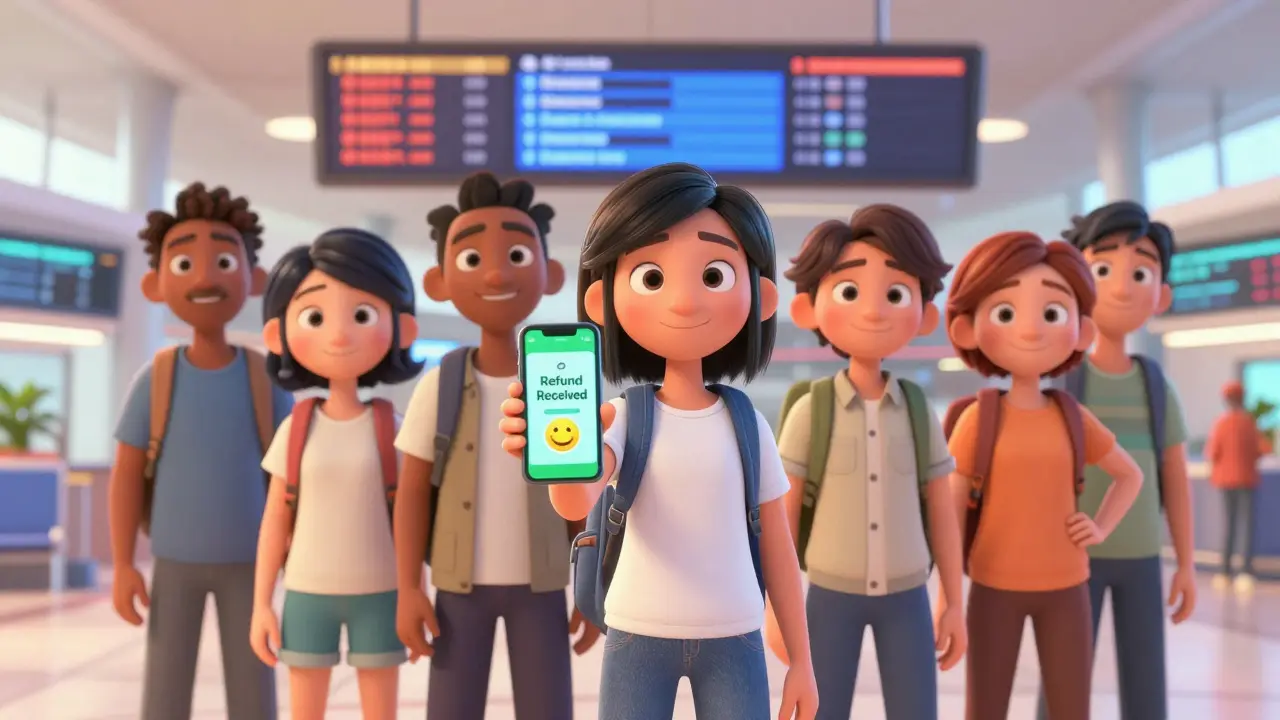
Imagine buying a flight ticket that automatically refunds you the second your plane is delayed by more than two hours. No customer service calls, no forms to fill out, and no waiting weeks for approval. The money just appears in your wallet because the code said it should. This isn't science fiction anymore. It’s happening right now through smart contracts.
For years, smart contracts were mostly discussed by developers and crypto enthusiasts as theoretical concepts. But by 2026, they have moved out of the lab and into the real world. These self-executing agreements are running payroll systems, settling insurance claims, and even trading electricity between neighbors. They work by turning standard "if-then" logic into code that runs on a blockchain. When the conditions are met, the action happens instantly.
You might wonder why this matters to you. The answer is efficiency and trust. Traditional contracts rely on lawyers, banks, and middlemen to enforce terms. That process is slow, expensive, and prone to human error. Smart contracts remove the middleman. They provide a transparent, unchangeable record that executes exactly as written. Let’s look at how different industries are using this technology today.
Insurance: Paying Out Without the Paperwork
The insurance industry has been one of the first to adopt smart contracts at scale, particularly in a niche called parametric insurance. Traditional insurance requires an adjuster to visit your property, assess damage, and negotiate a payout. This can take months. Parametric insurance skips all that. It pays out based on data.
Take flight delay insurance. Companies like Etherisc use decentralized oracle networks (like Chainlink) to pull live flight data from airports. If your flight is delayed by more than the agreed-upon time, the smart contract verifies the data against its own records. Once confirmed, it sends the payout directly to your digital wallet. You don’t have to prove you were affected; the data proves it happened.
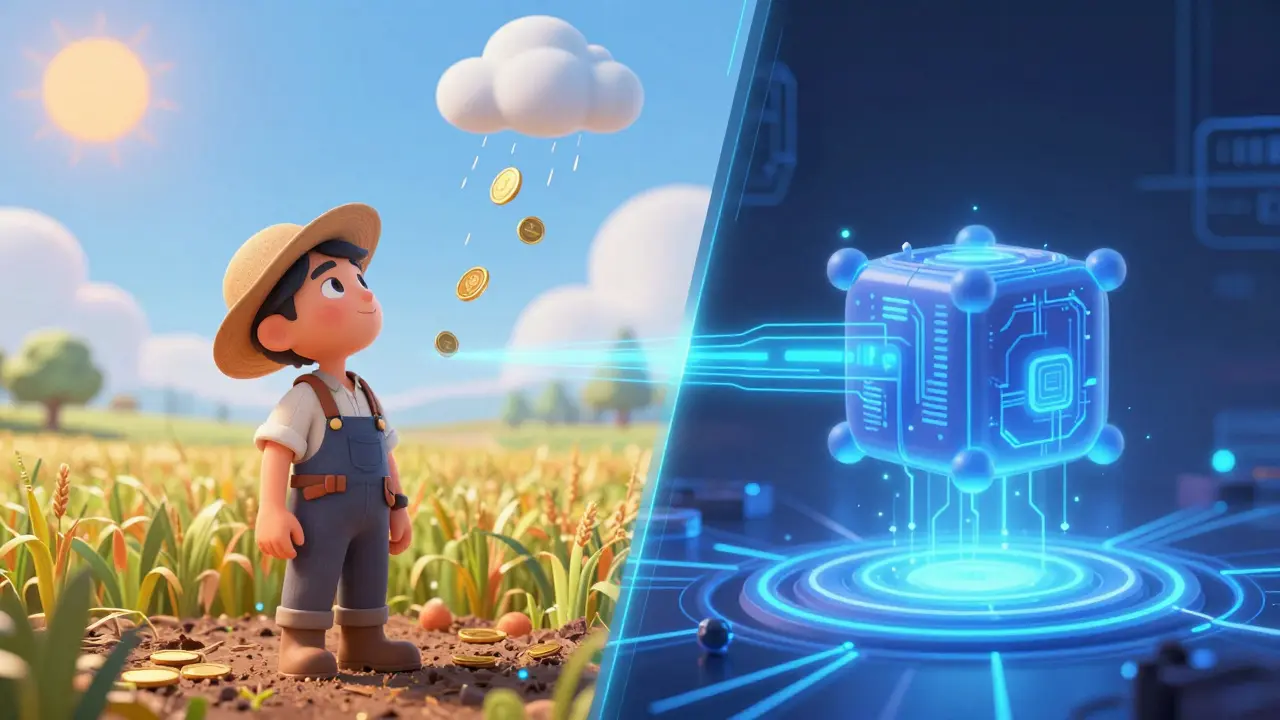
This model is also saving farmers in developing nations. Organizations like Arbol use weather data from the National Oceanic and Atmospheric Administration (NOAA). If rainfall drops below a certain threshold during planting season, the smart contract triggers a payment to protect the farmer’s livelihood. This removes the need for individual crop assessments and ensures help arrives when it’s needed most.
- Traditional Insurance: Requires manual claim filing, adjuster visits, and weeks of processing.
- Smart Contract Insurance: Uses automated data feeds (oracles) to trigger instant payouts based on predefined metrics.
Finance: Lending and Trading Without Banks
If you’ve heard of Decentralized Finance (DeFi), you’ve heard about smart contracts. This sector uses them to recreate traditional banking services-lending, borrowing, and trading-without a bank involved. Platforms like Aave or Uniswap are essentially giant libraries of smart contracts that handle these transactions automatically.
In a traditional loan, a bank checks your credit score, calculates interest, and holds your collateral. In DeFi, a smart contract does the math. You deposit cryptocurrency as collateral, and the contract lends you stablecoins. If the value of your collateral drops too low, the contract automatically liquidates part of it to cover the loan. There is no loan officer making subjective decisions. The code enforces the rules equally for everyone.
Trade clearing and settlement is another area seeing massive gains. Traditionally, moving money and securities between parties takes days to clear. Smart contracts automate this multi-party transaction, settling trades in seconds. This reduces risk and frees up capital that would otherwise be stuck in limbo.
Real Estate: Closing Deals Faster
Buying a house usually involves a maze of paperwork, title searches, escrow agents, and notaries. It’s a process that often drags on for 30 to 60 days. Smart contracts are streamlining this by automating the escrow and transfer process.
Here is how it works in practice: The buyer deposits funds into a smart contract escrow. The seller transfers the digital title deed. The smart contract checks if the title is clean and if all inspections have been digitally signed off. Once all conditions are met, the contract releases the funds to the seller and transfers the title to the buyer simultaneously. This eliminates the risk of one party backing out after the other has fulfilled their obligation.
Land registries are also exploring blockchain integration. By storing property ownership records on an immutable ledger, governments can reduce fraud. You can verify who owns a piece of land without worrying about forged documents or hidden liens.
Supply Chain: Tracking Coffee from Farm to Cup
Global supply chains are complex. Goods move through dozens of hands, crossing borders and changing formats. This complexity creates opportunities for fraud and delays. Smart contracts bring transparency to this chaos.
Consider coffee exporters. Farmers often struggle to get paid on time because payments depend on multiple steps: harvesting, shipping, customs clearance, and retail sale. With smart contracts, each step is recorded on the blockchain. When the coffee beans arrive at the port and pass quality control scans, the smart contract automatically releases payment to the supplier. This ensures farmers get paid faster and reduces disputes over whether goods arrived in good condition.
In construction, companies combine smart contracts with IoT sensors and computer vision. Cameras detect when materials arrive on site. The system matches this delivery with the invoice and the scope of work. If everything matches, the contractor gets paid immediately. This cuts down on administrative overhead and keeps projects moving.
Energy: Selling Power to Your Neighbor
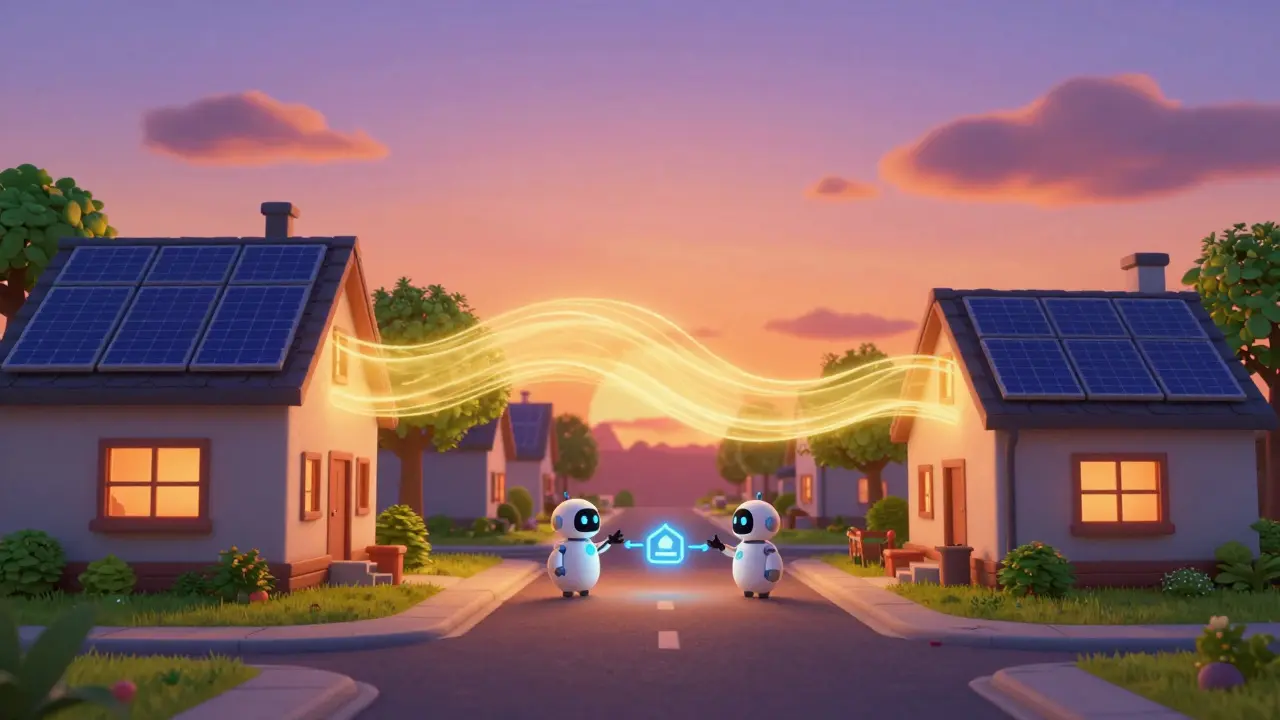
The energy grid is traditionally a one-way street: power plants send electricity to homes. But with solar panels becoming common, households are producing excess energy. Smart contracts enable peer-to-peer energy trading.
Platforms like Power Ledger allow homeowners with solar panels to sell their extra electricity to neighbors automatically. The smart contract tracks how much energy is produced and consumed via smart meters. It then handles the micro-transactions in real-time. If your neighbor needs power while you’re away, the contract facilitates the trade and settles the payment instantly. This optimizes energy use and creates a new income stream for individuals.
Gaming and Digital Assets: True Ownership
In traditional video games, you don’t really own your items. If the server shuts down, your sword, skin, or virtual land disappears. Web3 gaming changes this by using smart contracts to manage digital assets, often in the form of Non-Fungible Tokens (NFTs).
Games like Axie Infinity or Illuvium use smart contracts to verify ownership. When you buy an item, the contract records that you own it on the blockchain. You can trade, sell, or use that item in other compatible games without asking the developer for permission. This creates a true player-driven economy where scarcity is enforced by code, not by arbitrary game design choices.
Media and Advertising: Fair Pay for Creators
Royalty distribution in music and film is notoriously messy. Artists often wait years to see residuals from their work. Smart contracts can automate this. Every time a song is streamed or a movie is watched, the smart contract calculates the royalty share and distributes it instantly to the creators’ wallets. This removes intermediaries who take large cuts and delays payments.
In advertising, smart contracts prevent fraud. Advertisers can set conditions for payment, such as requiring a publisher to achieve a specific number of legitimate clicks or sales. Oracles verify that these actions occurred. For example, if a social media influencer promotes a discount code, the smart contract only releases payment after 100 unique purchases are made using that code. This stops deceptive tactics like fake clicks or pixel stuffing.
| Feature | Traditional Process | Smart Contract Process |
|---|---|---|
| Execution Speed | Days to Weeks | Seconds to Minutes |
| Intermediaries | Lawyers, Banks, Agents | None (Code-enforced) |
| Cost | High (Fees & Labor) | Low (Gas Fees Only) |
| Transparency | Opaque (Private Records) | Transparent (Public Ledger) |
| Dispute Resolution | Court/Legal Action | Predefined Logic/Oracles |
Challenges and Limitations
While the potential is huge, smart contracts aren’t perfect. One major issue is the "oracle problem." Smart contracts can only see data on the blockchain. To interact with the real world (like flight times or weather), they need external data providers called oracles. If the oracle provides bad data, the contract will execute incorrectly. This is known as "garbage in, garbage out."
Scalability is another hurdle. Blockchains can become congested, leading to high transaction fees and slow processing times. While Layer 2 solutions are improving this, it remains a consideration for mass adoption. Finally, once a smart contract is deployed, it is hard to change. If there is a bug in the code, it can be exploited, as seen in several high-profile hacks in previous years. Security audits are essential before any deployment.
What is a simple example of a smart contract?
A vending machine is the classic analogy. You insert money (input), select a snack (condition), and the machine dispenses the item (output). If you don’t insert enough money, nothing happens. A digital smart contract works the same way but with code instead of mechanical parts.
Are smart contracts legally binding?
In many jurisdictions, yes. Laws are evolving to recognize code as a valid form of contract enforcement. However, legal frameworks vary by country, so it’s important to understand local regulations when using them for business.
How do smart contracts get real-world data?
They use "oracles," which are services that fetch external data (like weather reports, stock prices, or flight statuses) and feed it securely onto the blockchain for the smart contract to read.
Can smart contracts be changed after deployment?
Generally, no. This immutability is a feature, not a bug, as it prevents tampering. However, developers can build "upgradeable" contracts that point to new versions of the code, though this requires careful governance.
What industries benefit most from smart contracts?
Industries with high transaction volumes, complex intermediaries, and a need for trust benefit most. These include finance (DeFi), insurance, supply chain logistics, real estate, and digital entertainment.
24 Comments
Sharada Vakkund
It is fascinating to see how this technology is finally moving beyond the hype cycle into tangible applications. The parametric insurance model for farmers in developing nations is particularly compelling because it addresses a critical gap in financial safety nets where traditional infrastructure fails. By relying on immutable weather data rather than subjective human assessment, we remove the bias and delay that often leaves vulnerable populations without aid. This shift towards automated trust mechanisms could redefine how global supply chains operate, ensuring that smallholders are compensated fairly and promptly for their labor. We must ensure that the oracle networks feeding these contracts are robust and decentralized to prevent manipulation of the very data that triggers life-saving payouts.
John Gonzalez Bentham
honestly this whole thing is overblown smart contracts are just code and code has bugs remember the DAO hack? people think theyre replacing lawyers but theyre just creating new ways to lose money instantly. the idea that you dont need a middleman is laughable when the middleman is now a buggy script that cant be fixed once deployed. its all just crypto bro fantasy land.
Jesse Alston
I completely understand the skepticism regarding security, but dismissing the entire technology due to past exploits ignores the massive strides made in formal verification and auditing standards since then. 🛡️ The key difference today is that reputable platforms undergo rigorous third-party audits before deployment, significantly reducing the risk of catastrophic failures. While no system is entirely immune to bugs, the transparency of blockchain allows for community-driven scrutiny that opaque legacy systems simply cannot match. It’s not about removing humans entirely, but about augmenting our processes with tools that enforce rules impartially. We should focus on improving education around these risks rather than rejecting the innovation outright. 💡
Tricia Alach
there is something deeply poetic about the idea of a contract that cannot lie. in a world full of broken promises and hidden clauses, the unchangeable nature of code feels like a return to truth. yet i wonder if we are sacrificing nuance for efficiency. can a machine truly understand the context of a delayed flight or the hardship of a farmer? perhaps we are building a society that values speed over empathy. the vending machine analogy is perfect but what happens when the snack is stuck? who do we call?
Shelby Cantu
The real estate section caught my eye. Cutting closing times from weeks to days would change the housing market dynamics significantly. It reduces the window for deals to fall through due to financing issues or cold feet. This efficiency could stabilize prices by increasing transaction velocity. I hope regulators catch up soon so this becomes mainstream.
Bronwen Butler
you are all missing the point that smart contracts are just another layer of bureaucracy disguised as tech. the oracle problem is not a bug its a feature that keeps the elites in control. who controls the data feeds controls the reality. its still centralized power just wrapped in blockchain jargon. stop falling for the decentralization myth.
Pauline Larocco71
i grew up in a place where getting paid for work was always a struggle because of corrupt intermediaries taking cuts. seeing stories about coffee farmers getting paid instantly via smart contracts gives me so much hope. it feels like justice being served without needing to fight a legal battle. the transparency means everyone sees the deal is fair. this technology could literally lift families out of poverty by ensuring they get what they earned. we need more adoption in agricultural sectors globally.
Michelle Bonahoom
this is just american tech imperialism spreading its influence everywhere. why should we trust foreign blockchains to handle our local transactions? the security risks are too high and the lack of oversight is terrifying. we need domestic solutions controlled by our own laws not some decentralized mess run by anonymous coders overseas. keep your smart contracts away from our infrastructure.
Albert Lee
Oh wow, just wow! The potential here is absolutely staggering! 😲 Imagine the freedom of knowing your assets are truly yours and transferable instantly across borders! This isn't just about convenience; it's about reclaiming sovereignty over our digital lives! 🚀 The energy trading example alone could revolutionize how communities interact and support each other during crises! We are standing on the precipice of a new era of economic liberty! Let's embrace this change with open arms and bold hearts! ❤️🔥
Bianca Vilas Boas Lourenço
ugh great another article pretending this will fix everything. meanwhile im sitting here watching my bank fees go up while they talk about 'no middlemen'. 🙄 the gas fees alone make this useless for anyone who isnt rich. and dont even get me started on the environmental impact. its all just hype to sell nft trash. i bet the author has never actually used a smart contract for anything real. 🤡
Yash Lodha
One must consider the subtle implications of oracles acting as gatekeepers to truth. When Chainlink or similar entities dictate the parameters of reality for these contracts, we are essentially outsourcing our perception of fact to a select few corporate entities. The illusion of decentralization persists only because the average user lacks the technical acumen to audit the data sources. This creates a fragile ecosystem where the foundation rests on trusted third parties, contradicting the core ethos of blockchain technology. We are merely digitizing the existing hierarchies under a veneer of cryptographic security.
Sarah C
I agree with the points raised about the need for careful implementation. Collaborating between developers and legal experts is crucial to ensure these contracts hold up in court. We should aim for a hybrid approach where smart contracts handle the execution but legal frameworks provide the dispute resolution mechanism. This balance could help build trust among traditional institutions while leveraging the efficiency of blockchain.
Kimberly Herbstritt
I have to disagree with the optimism here. The gaming industry has tried this before with microtransactions and loot boxes, and it resulted in predatory practices. Calling NFTs 'true ownership' is misleading because the value is entirely dependent on the platform remaining active and relevant. If the game shuts down, the token might still exist on the blockchain, but it will be worthless. Smart contracts don't create value; they just automate the transfer of speculative assets.
Sudarshan Anbazhagan
It is imperative to recognize that the scalability issues mentioned are not merely technical hurdles but fundamental limitations of the current consensus mechanisms. Until we achieve true linear scalability without compromising on decentralization or security, the application of smart contracts in high-frequency trading or mass consumer markets remains impractical. The reliance on Layer 2 solutions introduces additional complexity and trust assumptions that undermine the primary value proposition of blockchain technology. We must proceed with caution and rigorous academic scrutiny before endorsing widespread adoption.
Ellie Riddell
Sarcasm aside, the peer-to-peer energy trading concept is genuinely interesting. It turns every home with solar panels into a mini power plant. But let's be real, the grid companies won't roll over and play dead easily. They'll likely introduce regulations to protect their monopoly. Still, the idea of neighbors trading electricity directly is a cool vision of a decentralized future. Maybe one day we'll see it happen despite the resistance.
Destiny Kilby
The formal structure of these agreements provides a level of certainty that is often lacking in verbal or informal written contracts. However, the rigidity can be a disadvantage in situations requiring flexibility or renegotiation. It is important to weigh the benefits of automation against the loss of human discretion. In many professional contexts, the ability to interpret intent is just as valuable as enforcing strict terms.
Jerry CUNNINGHAM SR
We must ensure that the integration of smart contracts respects established legal boundaries and ethical standards. Open dialogue between technologists, policymakers, and the public is essential to navigate this transition smoothly. By fostering an inclusive environment, we can address concerns about privacy, security, and accessibility proactively. This collaborative approach will help build a framework that benefits society as a whole rather than just a select few early adopters.
Ruben Michel
The notion that smart contracts democratize finance is a gross oversimplification favored by those who lack a nuanced understanding of economic structures. In reality, these systems often exacerbate wealth inequality by favoring those with the capital and technical knowledge to navigate them effectively. The barrier to entry for understanding and utilizing these platforms remains prohibitively high for the average individual. True financial inclusion requires more than just technological innovation; it demands structural reforms that address systemic disparities.
Gavin Wonnacott
You people are blindly following trends without thinking about the consequences. Who is liable when a smart contract fails? Is it the developer? The oracle provider? The user? The lack of clear accountability is a disaster waiting to happen. And don't tell me about 'code is law' because that's just a cop-out for avoiding responsibility. We need strict regulations now before someone gets hurt financially. Stop playing with fire.
Samara McCallum
it seems we are trying to solve human problems with non-human solutions which feels inherently wrong. the drama of negotiation and compromise is part of what makes us social beings. removing that friction might make things faster but it also removes the humanity from the exchange. i prefer dealing with a person who can listen to my side of the story rather than a cold algorithm that just executes based on binary logic. maybe efficiency isnt always the highest virtue.
Sheldon Friesen
Let's look at the bright side! ☀️ The advertising fraud prevention aspect is huge! Finally, advertisers can ensure their money is going to real clicks and not bots! This could save billions in wasted ad spend annually! 📉 And for creators, getting paid instantly instead of waiting months for royalty checks is a game-changer! 🎶 It levels the playing field for independent artists! We should definitely push for more adoption in the media sector! Keep the positive vibes going! ✨
beti macedo
it is wonderful to see such innovative solutions emerging in the field of technology. the potential for smart contracts to streamline processes and reduce costs is immense. however we must remain cautious about the implementation details. ensuring that the technology is accessible to everyone regardless of their technical background is crucial. we should encourage more educational initiatives to help people understand how to use these tools safely. the future looks bright if we approach it with care.
Matt Davis
This entire premise is flawed. The idea that code can replace human judgment in complex scenarios is absurd. What happens when there is a force majeure event that wasn't coded for? The contract will still execute, potentially causing harm. We are handing over control of our livelihoods to rigid algorithms that lack common sense. It is a dangerous precedent that prioritizes convenience over safety and fairness. I urge everyone to resist this technological creep.
Ankush Pokarana
the philosophical implications of immutable contracts are profound. they challenge our understanding of forgiveness and redemption in economic relationships. once an action is recorded and executed it cannot be undone. this permanence forces us to be more deliberate in our commitments. yet it also raises questions about the possibility of error and the right to correction. we must contemplate whether a system without mercy is truly just. the balance between order and compassion is delicate.