Balancer v2: What It Is, How It Works, and Why It Matters in DeFi
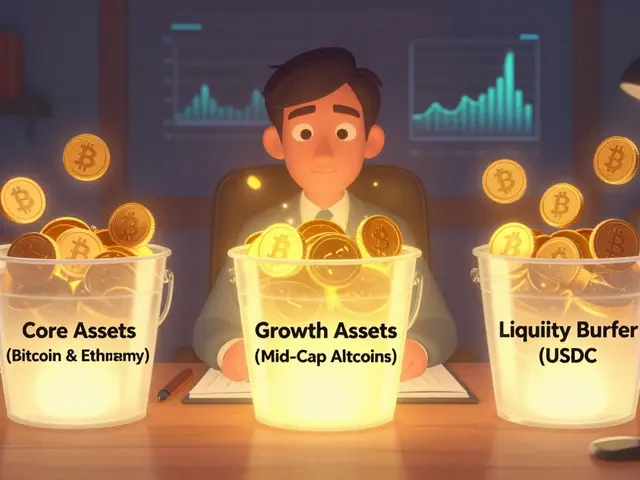
When you trade crypto on a decentralized exchange, you’re usually relying on something called an automated market maker, a smart contract system that sets prices using math instead of order books. Also known as AMM, this tech powers most DeFi trading today—and Balancer v2 is one of the most advanced versions. Unlike early AMMs that only handled two tokens at a time, Balancer v2 lets you create liquidity pools with up to eight different tokens, each with its own weight. That means you can build a pool that’s 40% ETH, 30% USDC, 20% LINK, and 10% DAI—and the system will automatically balance trades to keep those ratios intact.
That flexibility makes Balancer v2 a favorite for serious DeFi users who want more control over how their liquidity works. It’s not just for swapping tokens—it’s a tool for managing risk, earning yield, and even hedging exposure across multiple assets. The protocol also cuts gas costs by batching transactions and supports custom fee structures, so liquidity providers can charge more for less liquid tokens. This isn’t just a better Uniswap—it’s a rethinking of how decentralized trading should work.
Balancer v2 also connects deeply with other parts of DeFi. It works with liquidity pools, collections of crypto assets locked in smart contracts to enable trading across chains, and its architecture supports integrations with lending platforms, yield aggregators, and even other AMMs. If you’re using tools like Yearn or Convex, you’ve likely interacted with Balancer v2 without even realizing it. And because it’s non-custodial, you never give up control of your funds—you just let the protocol handle the math behind the scenes.
What you’ll find in the posts below isn’t a list of random articles—it’s a collection of real-world examples showing how Balancer v2 fits into the bigger picture. From how it compares to other DEXs like WOOFi and FlatQube, to how liquidity depth affects trading slippage, to how new tokenomics models are changing who earns what in DeFi—you’ll see the practical side of what Balancer v2 actually does for traders, investors, and developers. No theory. No fluff. Just what works.