Blockchain Upgrade: What It Means and How It Changes Crypto
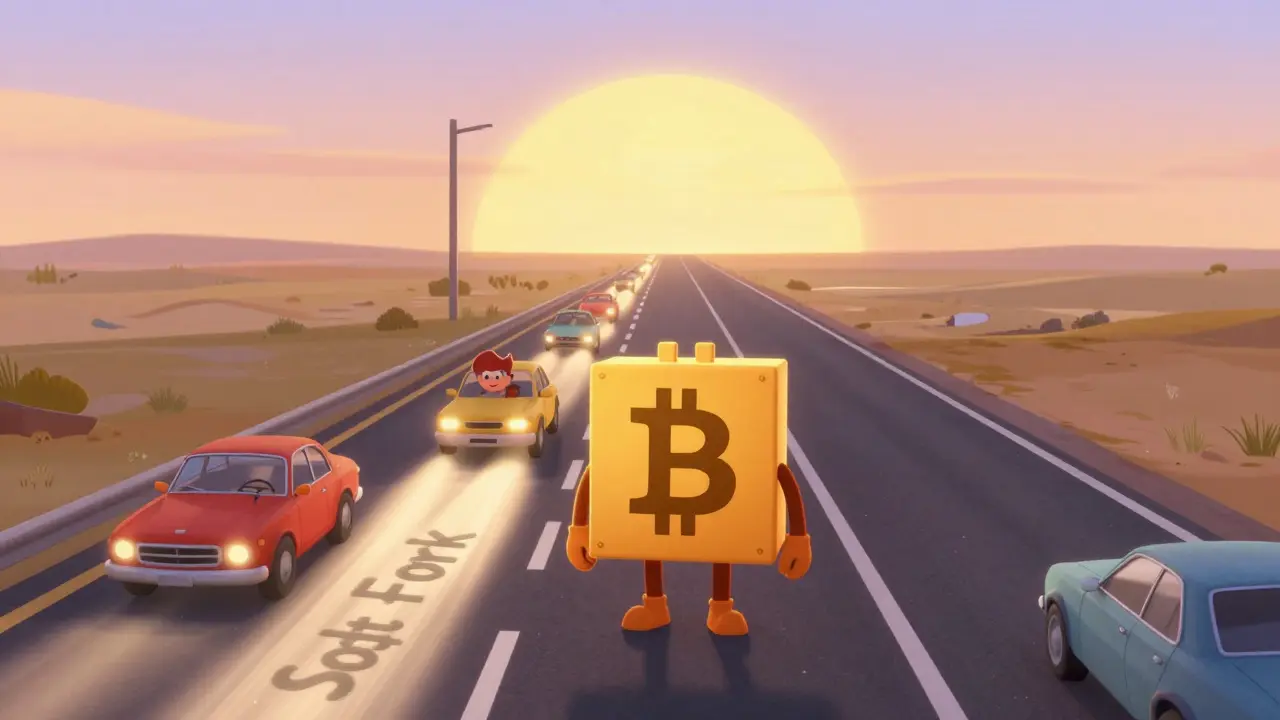
When a blockchain upgrade, a planned change to the underlying code of a cryptocurrency network to improve performance, security, or features. Also known as hard fork, it isn’t just a software patch—it’s a rewrite of the rules that govern how money moves. Think of it like upgrading your phone’s operating system, but instead of fixing bugs, you’re changing how billions of dollars are verified, stored, and traded without middlemen.
Every major blockchain upgrade touches three core pieces: the consensus mechanism, the system that lets nodes agree on which transactions are valid, the smart contract, self-executing code that runs on the blockchain without human intervention, and the gas fees, the cost to process transactions on networks like Ethereum. When Ethereum moved from Proof of Work to Proof of Stake, it didn’t just save energy—it cut transaction costs by 99% and made DeFi far more accessible. That’s the power of a well-executed upgrade. Not all upgrades are this smooth, though. Some, like the 2022 Ethereum merge, took years to plan. Others, like the 2023 Polygon zkEVM rollout, quietly slashed swap fees to pennies overnight.
These upgrades don’t happen in a vacuum. They’re driven by real user pain: slow transactions, high fees, or security flaws. That’s why you’ll see posts here about Balancer v2 on Polygon zkEVM slashing gas fees, or FlatQube on Everscale offering feeless farming. They’re all responses to the same problem: old blockchains are too expensive and too slow. Meanwhile, projects like Qubic and Rivalz Network are betting their entire value on upgrades that let AI run on-chain—something no major chain could do before. And when a chain like DeRace swaps its token to zkRace, it’s not just a rebrand—it’s a full network upgrade with new rules, new tech, and new risks.
What you’ll find below isn’t a list of news updates. It’s a collection of real-world examples showing how blockchain upgrades actually change what you can do with crypto. Whether it’s a new way to stake, a cheaper way to trade, or a token swap that rewrites your holdings, each post breaks down exactly what changed—and why it matters to you.