HAKKA Token: What It Is, How It Works, and What You Need to Know
When you hear HAKKA token, a lesser-known cryptocurrency token often tied to small-scale blockchain projects or airdrops. Also known as HAKKA, it’s one of hundreds of tokens that pop up with promises of high returns but rarely deliver real utility. Unlike big names like Bitcoin or Ethereum, HAKKA doesn’t have a clear team, major exchange listings, or widespread use. Most people who come across it do so through airdrop alerts, Telegram groups, or random social media posts—often too late to benefit.
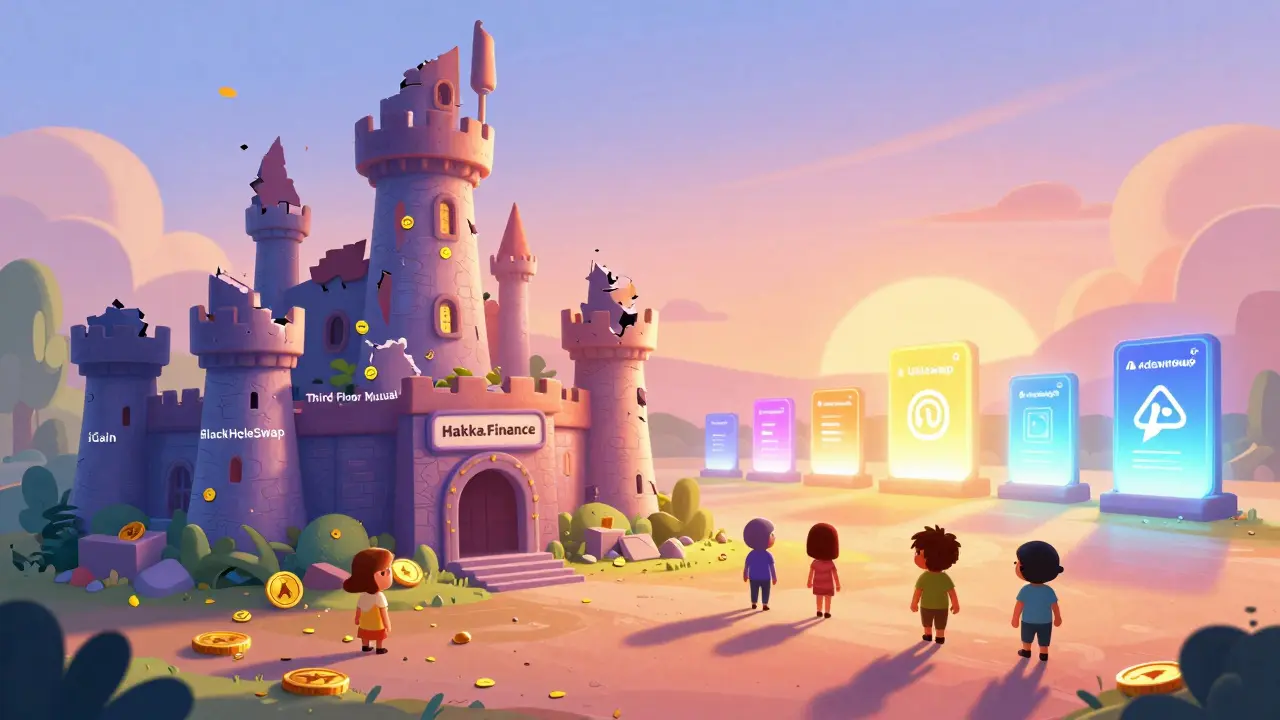
What makes tokens like HAKKA tricky is how they borrow credibility from bigger trends. You’ll see them linked to phrases like "DeFi rewards," "gaming ecosystems," or "community-driven governance," but digging deeper usually reveals empty whitepapers, anonymous teams, or contracts with no audit. It’s not always a scam—but it’s rarely a solid investment. Tokens like HAKKA often rely on hype cycles, not fundamentals. They need constant new buyers to stay alive, and once attention fades, the price drops fast. That’s why you’ll find posts here about other forgotten tokens like ZWZ or AXL INU—same story, different name.
Some users chase HAKKA because they saw it in an airdrop or got a free claim link. But owning the token doesn’t mean much if there’s no place to trade it, no real use case, and no roadmap. Compare that to something like DAO governance, a system where token holders vote on project decisions using smart contracts—there’s actual structure there. Or crypto airdrop, a distribution method used to seed new tokens among early users—those can be legit if tied to active projects with clear goals. HAKKA doesn’t fit cleanly into either. It’s floating in the middle: not dead, but not alive either.
What you’ll find in the posts below isn’t a list of success stories. It’s a collection of real cases—some tokens that vanished, others that tricked people, a few that barely survived. You’ll see how DONK and GMPD airdrops worked, how ZWZ disappeared overnight, and why AXL INU was a phishing trap. These aren’t random examples. They’re the same pattern HAKKA follows: low visibility, no transparency, high risk. If you’re holding HAKKA, ask yourself: who’s behind it? Where can you actually use it? And what happens if no one else buys in tomorrow?
There’s no magic here. No secret formula. Just a reminder that in crypto, most tokens aren’t assets—they’re experiments. And the ones without clear purpose rarely last. The posts ahead will show you how to spot the difference before you invest your time—or your money.