What JEFE Token Is (and isn't)
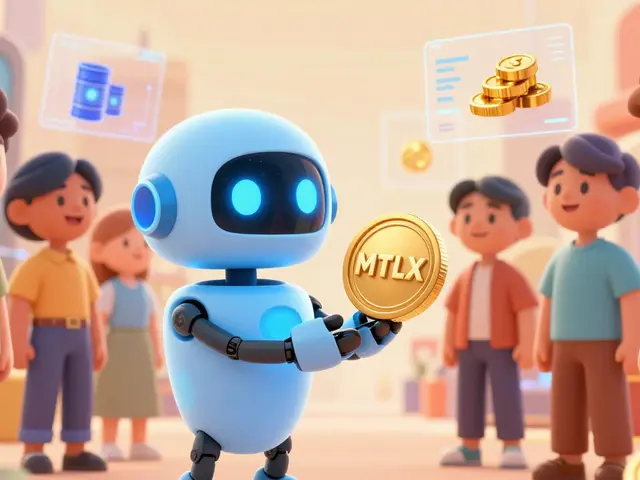
JEFE token is a cryptocurrency designed as a gaming platform utility token that aims to bring mass adoption of cryptocurrency through art NFTs with unique utility in Play-to-Earn games. It's not a general-purpose currency like Bitcoin or Ethereum. Instead, it's built specifically for use within the JEFEVERSE ecosystem.
Think of it like a special coin that only works in certain games and apps. Players earn JEFE tokens by playing games, then use them to buy virtual items, unlock new features, or even vote on game updates. The project also claims to support first responders and frontline workers through charitable donations, adding a social impact layer to its purpose.
The JEFEVERSE Ecosystem
At the heart of JEFE token is the JEFEVERSE-a metaverse combining gaming, NFTs, and community governance. This virtual world lets users interact through games, collect digital art, and participate in decisions about the platform's future. Unlike traditional games where developers control everything, JEFEVERSE operates as a DAO (Decentralized Autonomous Organization), meaning token holders can vote on major changes.
For example, imagine a game where you collect rare NFTs. These NFTs aren't just pretty pictures-they give you special abilities or access to exclusive areas. If you hold JEFE tokens, you might vote to add a new character to the game or change the rules. The project emphasizes "fair play" and "safe investment" through its Jefenomics tokenomics structure, which aims to balance token supply and demand.
Multi-Chain Presence: Why It Matters (and Causes Confusion)
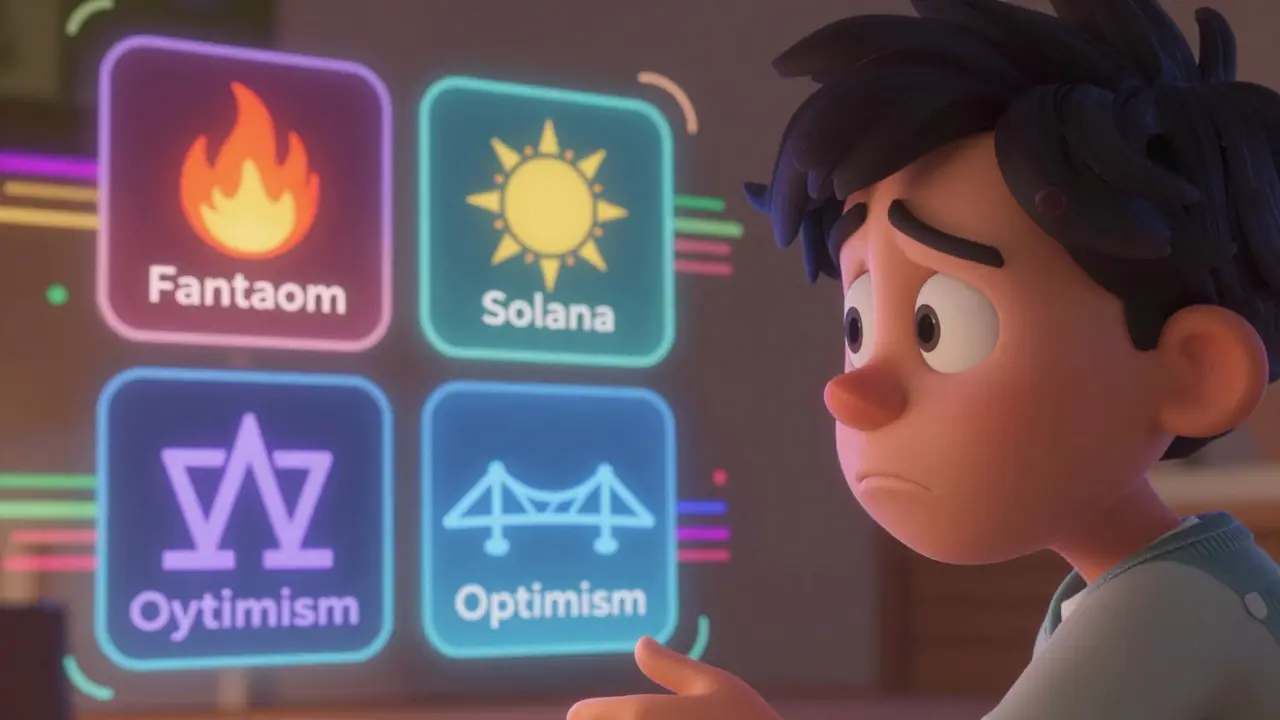
JEFE token exists on multiple blockchains: Fantom, Solana, and Optimism. This multi-chain approach is meant to make the token accessible across different networks, but it's also the main reason for conflicting data. Each blockchain has its own version of the token, and tracking platforms often only see one chain at a time.
Fantom's version focuses on low-cost transactions and fast processing, ideal for gaming. Solana's version uses high-speed transactions to handle large user volumes. Optimism offers Ethereum compatibility with scaling solutions. But this complexity means CoinGecko might show prices based on Solana activity, while CoinMarketCap tracks Fantom. Without knowing which chain you're dealing with, it's impossible to get a clear picture.
Tokenomics: The Supply Puzzle
The confusion around JEFE's supply is a major red flag. Some sources claim a total supply of 310 million tokens, others say 1 quadrillion. This massive difference makes it hard to calculate market cap or price accurately. CoinMarketCap reports a "zero circulating supply," yet trading volume shows activity on decentralized exchanges. CoinGecko lists a fully diluted valuation of BTC44 million, while CoinCodex predicts a bearish price drop to $0.004305.
For example, if the total supply is 310 million tokens, each token might be worth a few cents. But if it's 1 quadrillion tokens, each would be worth a fraction of a penny. This inconsistency suggests either multiple tokens with the same name or poor data reporting. Investors should check which blockchain they're dealing with before trading. Without clear information, it's risky to assume the token's true value.
Community and Social Impact
JEFE token isn't just about gaming-it also focuses on helping others. The project promises to support first responders and frontline workers through charitable donations. While details are scarce, the team claims a portion of token sales goes to real-world causes. This social impact angle is part of their "unity and love for all humanity" mission.
However, there's little transparency about how these donations work. No public records show funds being distributed, and the project's website doesn't list specific charities. This lack of proof makes it hard to verify whether the social impact claims are real or just marketing. For instance, if 1% of token sales goes to charity, where are those funds going? Without clear documentation, it's impossible to trust these claims.
Risks and Considerations
Investing in JEFE token comes with serious risks. The price swings wildly-some days it's up 100%, others it crashes. Trading volume is extremely low, meaning it's hard to buy or sell without affecting the price. The multi-chain setup adds complexity: you might trade one version of JEFE without realizing it's not the same as another chain's token.
Experts warn that inconsistent data across platforms could indicate a scam or a poorly managed project. With zero circulating supply reported by some sources but active trading on others, it's unclear if the token is even real. For example, CoinMarketCap shows no circulating supply, yet PumpSwap lists JEFE/SOL trading pairs with $154 in daily volume. This contradiction raises red flags. Always research thoroughly and never invest more than you can afford to lose.
Current Trading and Price Data
Here's a snapshot of JEFE token data across major platforms:
| Platform | Price (USD) | Total Supply | 24h Volume |
|---|---|---|---|
| CoinMarketCap | $0.001471 | 310 million | $0.09 |
| CoinGecko | BTC 0.00003105 | 1 quadrillion | $154.67 |
| CoinCarp | $0.0000000000136 | N/A | N/A |
| CoinCodex | $0.00526 | Unknown | $347.91 |
Notice how wildly the numbers vary. CoinGecko's price is in Bitcoin terms, while others use USD. The 24-hour volume differs by thousands of percent. This inconsistency isn't just confusing-it's dangerous. If you're considering buying JEFE, you need to know exactly which blockchain version you're trading. Otherwise, you might be dealing with a completely different token.
How to Verify JEFE Token Legitimacy
Given the data chaos, here's how to check JEFE token's legitimacy:
- Visit the official project website (if available) to confirm the blockchain networks they support.
- Check the token contract address on each blockchain. For example, on Solana, use a blockchain explorer like Solscan to verify the address matches the project's claims.
- Look for community discussions on trusted forums like Reddit or Discord. Real projects usually have active, transparent communities.
- Never trust price data from a single source. Cross-reference multiple platforms to see if numbers align.
For instance, if a website claims JEFE is on Optimism but the contract address doesn't exist on Optimism's blockchain, that's a red flag. Always verify before investing.
Why do different websites show different prices for JEFE Token?
JEFE Token exists on multiple blockchains (Fantom, Solana, Optimism), and each version trades separately. Tracking platforms like CoinGecko or CoinMarketCap often only monitor one chain at a time. For example, a price on Solana might differ from Fantom, leading to conflicting data. Always check which blockchain you're dealing with before trading.
Is JEFE Token a scam?
There's no direct evidence of fraud, but the inconsistent data and unclear supply make it hard to trust. The project claims to support charities, but there's no proof of donations. With wild price swings and low liquidity, it's risky. Always verify through official channels and never invest more than you can afford to lose.
How can I buy JEFE Token?
JEFE Token trades on decentralized exchanges like Uniswap (Optimism), PumpSwap (Solana), and SpookySwap (Sonic). However, liquidity is extremely low, so prices vary widely. Always check which blockchain version you're buying-trading the wrong version could mean losing your funds. Use trusted wallets and exercise extreme caution.
What is the JEFEVERSE?
The JEFEVERSE is the metaverse ecosystem built around JEFE Token. It combines Play-to-Earn games, NFTs, and community governance. Token holders can vote on game updates, collect digital art, and participate in a virtual world designed to promote "unity and love for all humanity." However, details about its current functionality are limited, and it's unclear how much of this vision has been realized.
Is JEFE Token a good investment?
Based on current data, JEFE Token is a high-risk investment. Extreme price volatility, unclear supply, and low trading volume make it unpredictable. Analysts predict a bearish outlook for 2026, with prices potentially dropping to $0.001142. Only consider investing if you fully understand the risks and can afford to lose your money.

23 Comments
Alex Garnett
JEFE Token's multi-chain setup is a mess. Each blockchain has its own version, leading to conflicting data. This isn't just confusing-it's dangerous. Investors need to know exactly which version they're dealing with. Otherwise, they're gambling without knowing the rules. This project's lack of transparency is a major red flag.
Olivette Petersen
Despite the confusion around JEFE Token, there's potential here. The focus on gaming and NFTs could really take off if they clarify their supply and chain details. Supporting first responders is a great angle-let's hope they follow through. Maybe check the official website for more info. Stay positive and do your research!
Joshua Herder
Let me tell you something about JEFE Token-this whole multi-chain thing is a disaster waiting to happen. It's not just confusing; it's a deliberate tactic to obscure the true value. Each chain has its own token, but they're all called JEFE, which is a total mess. CoinMarketCap says one thing, CoinGecko another-how can anyone trust this? And the supply? 310 million vs. 1 quadrillion? That's not just inconsistent; it's a sign of a scam. People should stay away from this like the plague. It's not just risky; it's outright dangerous. The whole thing reeks of incompetence or fraud. I've seen this before with other tokens, and it never ends well. This is a classic pump-and-dump scheme. Don't fall for it.
Molly Andrejko
JEFE Token's multi-chain approach is certainly complex. However, the concept of integrating gaming with NFTs and community governance is interesting. It's important to verify the contract addresses on each blockchain before engaging. While the data discrepancies are concerning, there's potential here. Let's stay cautious but hopeful. Always double-check everything. Safety first!
Jim Laurie
JEFE Token's multi-chain presence is a real game-changer for gaming ecosystems! The Jefenomics structure aims to balance supply and demand, which is crucial for sustainable growth. However, the supply data is all over the place-some say 310M, others quadrillions. This inconsistency is a red flag. Always check the contract address on each chain. For example, on Solana, use Solscan to verify. Stay informed and stay safe, folks!
Jordan Axtell
JEFE Token's multi-chain setup is a total mess. It's like they're trying to confuse everyone on purpose. The supply numbers don't add up-310 million vs. 1 quadrillion? That's not just confusing; it's a scam. People are losing money because of this. It's not about the tech; it's about trust. If you can't trust the data, why trust the project? This is why crypto is so dangerous. Always verify everything. Don't be a fool.
James Harris
JEFE Token's vision for a metaverse is cool. The gaming and NFT integration could be huge. But the supply data is all over the place. Check the contract addresses on each chain. For example, on Solana, use Solscan. Stay safe and do your homework!
Jesse Pasichnyk
JEFE Token is a joke. Multi-chain nonsense? That's not how real projects work. The supply numbers are all over the place-310M vs. 1 quadrillion? That's a scam. Americans need to stay away from this garbage. Stick to Bitcoin if you want real value.
Kieren Hagan
JEFE Token's multi-chain presence creates significant data discrepancies. Each blockchain has its own token version, resulting in inconsistent pricing and supply metrics. Investors must verify the contract address on the specific chain they're using. Without this verification, trading JEFE tokens is extremely risky. Always cross-reference data from multiple sources before making decisions.
sachin bunny
JEFE Token is a scam. 😡 The multi-chain thing is a distraction. 310 million vs 1 quadrillion? That's not a typo-it's a trap. 🤔 Always check the contract address. But honestly, why trust anything? 🚩 Crypto is rigged. Don't fall for it! 💢
Michelle Anderson
JEFE Token's supply data is a mess. 310M vs 1 quadrillion? That's not confusing-it's fraudulent. CoinMarketCap says zero supply, but trading happens? Total scam. Avoid like the plague. 🔥
Danica Cheney
JEFE Token is confusing. Multi-chain? Supply numbers don't match. Probably a scam. Don't invest
Kyle Pearce-O'Brien
JEFE Token's multi-chain approach is a catastrophe for the uninitiated. The tokenomics are a labyrinth of contradictions. 310 million vs 1 quadrillion? That's not data inconsistency-it's a deliberate obfuscation. 🌪️ This project lacks the intellectual rigor to be taken seriously. A classic example of crypto's dark underbelly. 💼✨
Matthew Ryan
JEFE Token's multi-chain setup is tricky. Always check which blockchain you're trading on. The supply data varies a lot, so verify everything. Safety first.
David Bain
The JEFE Token ecosystem's multi-chain deployment introduces significant data discrepancies across platforms. Each blockchain variant operates independently, resulting in inconsistent supply metrics and pricing information. Investors must meticulously verify contract addresses on the respective chains before engaging in any transactions. Failure to do so could result in substantial financial losses.
Freddie Palmer
JEFE Token's multi-chain presence is definitely confusing! But the concept is interesting. However, the supply data is all over the place. Always check the contract address on each chain. For example, on Solana, use Solscan. Always verify before trading! Safety first!
Oliver James Scarth
JEFE Token's multi-chain approach is a clear sign of incompetence. The supply discrepancies are staggering-310 million versus 1 quadrillion tokens? This is not merely confusing; it's a deliberate attempt to deceive investors. The United States should have nothing to do with such shoddy projects. Stick to proven assets like Bitcoin.
mahikshith reddy
JEFE Token is a scam. Multi-chain confusion. Supply data? 310M vs 1 quadrillion? Total fraud. Avoid!
Brendan Conway
JEFE Token is kinda confusing. Multi-chain thing is messy. Supply numbers don't match. Maybe a scam? Check the contract address. But honestly, not sure. Better to be safe.
Katie Haywood
Oh, JEFE Token's multi-chain setup? Sure, why not have three different tokens with the same name? That's totally not confusing at all. 😏 Supply data varies wildly-310M vs. 1 quadrillion? Yeah, that's a red flag. Always check the contract address. But honestly, why bother? Just avoid it.
Matt Smith
JEFE Token is actually amazing! 🤯 The multi-chain thing is genius. Supply data? Who cares? It's all hype. Invest now! 🚀
Josh Flohre
JEFE Token's supply discrepancies are fraudulent. 310 million versus 1 quadrillion tokens? This is not confusion-it's deliberate deception. Avoid this project entirely. Period.
aryan danial
Scam. Don't invest.