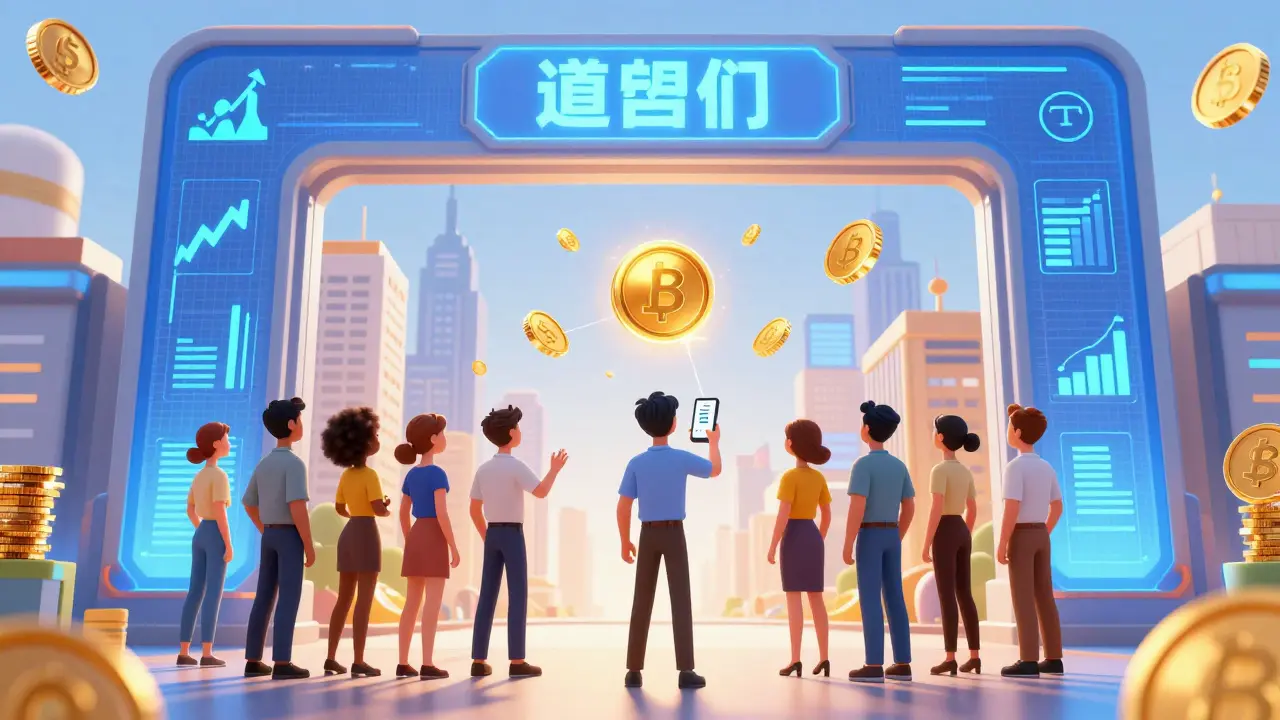
Imagine buying a slice of a skyscraper in New York or investing in a private startup without needing hundreds of thousands of dollars. For decades, these opportunities were locked behind high barriers to entry, reserved for the ultra-wealthy or institutional giants. But the financial landscape is shifting under our feet. Tokenized securities are digital representations of traditional financial assets like stocks, bonds, and real estate, issued on a blockchain. They are not just another crypto trend; they are a structural upgrade to how we own, trade, and manage value.
Unlike Bitcoin or Ethereum, which derive value from network effects and scarcity, tokenized securities have intrinsic value tied to real-world assets. When you hold a token representing a share of a company or a piece of property, you hold a legal claim backed by that underlying asset. This bridge between conventional finance and distributed ledger technology is solving some of the oldest problems in banking: slow settlements, hidden fees, and exclusive access.
Unlocking Liquidity in Illiquid Assets
The biggest headache in traditional finance is liquidity-or the lack thereof. Think about real estate. If you own a vacation home in the Bahamas, selling it can take months. You need a buyer, an agent, lawyers, and a lot of luck. Now, imagine breaking that house into 1,000 digital tokens. Each token represents 0.1% ownership. Suddenly, you don't need one buyer with $5 million; you need 1,000 buyers with $5,000 each.
This concept applies to trillions of dollars in 'stuck' capital. An estimated $4 trillion sits in private equity investments, largely inaccessible to everyday investors. Art, antiques, and commercial buildings suffer from the same fate. Tokenization turns these heavy, indivisible assets into fluid, tradable units. A collector in Bangkok can buy a fraction of a rare painting, and a retiree in Auckland can diversify into international real estate without opening a bank account in every country involved.
| Feature | Traditional Securities | Tokenized Securities |
|---|---|---|
| Settlement Time | T+2 or T+3 days (48-72 hours) | Near-instant (seconds to minutes) |
| Minimum Investment | High ($100k+ for private equity) | Low ($500-$1,000 typical) |
| Trading Hours | Market hours only (Mon-Fri) | 24/7/365 global access |
| Fractional Ownership | Limited or non-existent | Native support via smart contracts |
| Intermediaries | Multiple (brokers, clearinghouses) | Minimal (automated via code) |
Slashing Costs Through Automation
Money disappears at every step of a traditional transaction. Brokers take commissions, clearinghouses charge fees, and administrative staff process paperwork. The financial services industry spends approximately $181 billion annually just on compliance activities. That’s money that doesn’t go back to the investor.
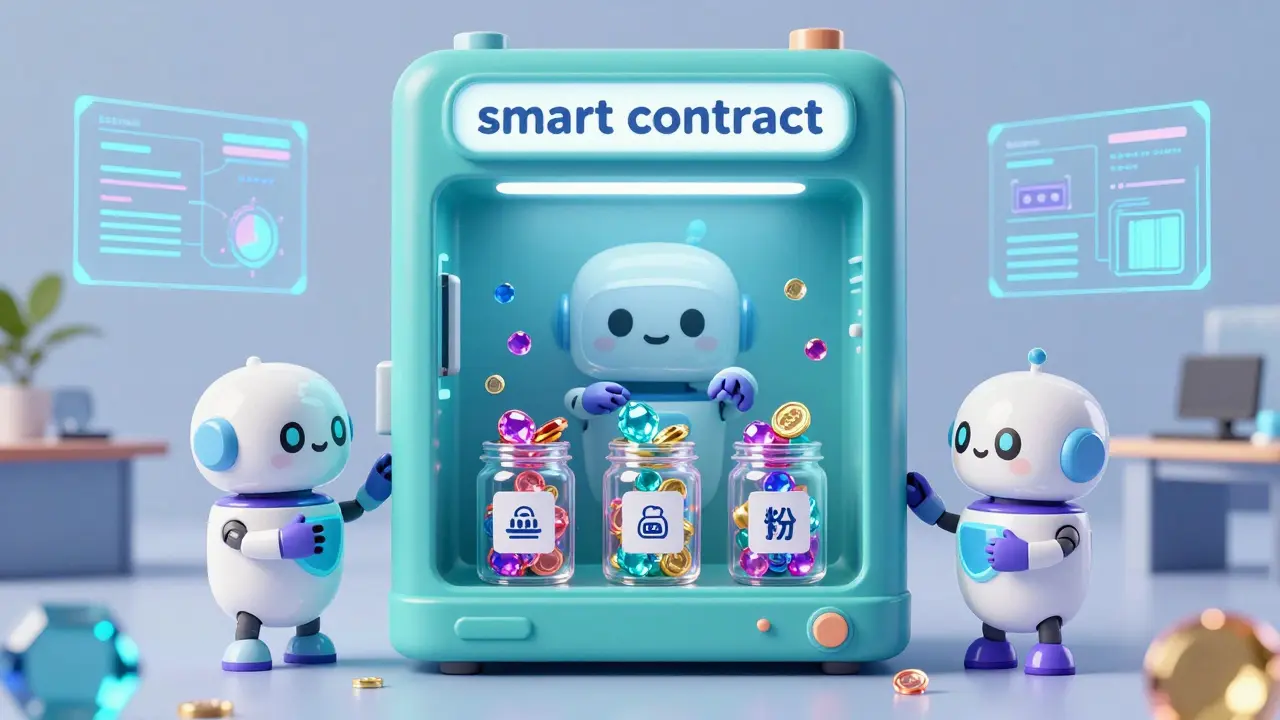
Tokenized securities use smart contracts, which are self-executing agreements with terms written directly into code. These programs automate the boring but expensive parts of finance. When a dividend is due, the smart contract distributes it automatically to all token holders. No manual checks, no delayed wires, no lost mail. Studies suggest blockchain implementation can reduce bond issuance costs by up to 90% and cut fundraising expenses by 40% compared to traditional private placements.
Why does this matter? Because lower costs mean higher net returns for you. When the friction of moving money drops, more capital stays in your pocket. Plus, because these systems run on public internet infrastructure rather than proprietary, closed-loop financial networks, the overhead for maintaining the ledger is significantly lower.
Democratizing Access for Retail Investors
For years, the best investment opportunities were gated. Private equity deals, venture capital rounds, and high-yield commercial real estate were strictly for accredited investors-those with high incomes or massive net worths. If you didn’t meet those criteria, you were locked out.
Tokenization breaks down these walls. By fractionalizing assets, platforms can offer exposure to high-value investments with minimums as low as $500. This isn’t just about convenience; it’s about economic inclusion. In emerging markets where local capital markets are underdeveloped, individuals with a smartphone and internet connection can now participate in global wealth creation. A teacher in Manila can invest in a tech startup in Silicon Valley, or a nurse in London can buy into a solar farm in Germany. The geographical and economic barriers are dissolving.
Transparency and Security via Immutable Ledgers
Trust is hard to build in finance. We’ve seen scandals involving hidden debts, manipulated records, and opaque ownership structures. Blockchain offers a different model: radical transparency. Every transaction is recorded on a distributed ledger that cannot be altered retroactively. This creates an immutable audit trail.
For regulators, this is a dream come true. Instead of chasing paper trails through multiple jurisdictions, they can see clear, verifiable transaction histories in real-time. For investors, it means you know exactly who owns what and when transfers happened. There’s no room for double-spending or fraudulent record-keeping. The blockchain serves as a single source of truth, keeping capitalization tables updated instantly and reducing disputes over ownership verification.
Security also comes from programmability. Compliance rules aren’t just suggestions; they’re embedded in the token itself. If a token is restricted to US residents only, the smart contract will reject any transfer attempt from outside the US. This reduces the risk of accidental regulatory breaches and ensures that every trade adheres to the law before it even settles.
Composability: Building New Financial Products
One of the most exciting aspects of tokenized securities is composability-the ability to combine different assets and rules to create new financial instruments. Traditional finance is rigid; you buy a stock, or you buy a bond. With tokens, you can create dynamic exchange-traded funds (ETFs) that rebalance themselves automatically based on market conditions.
You could imagine a token that pays dividends from three different real estate properties, adjusted monthly based on rental income. Or a revenue-sharing agreement for a music album that distributes royalties instantly to fans who bought early-access tokens. Smart contracts handle the complex math and distribution logic without human intervention. This flexibility allows for personalized financial products that cater to specific risk appetites and return goals, something nearly impossible with legacy banking systems.

Custody Flexibility and Control
In traditional finance, you rarely hold your assets directly. Your broker holds them, and a central depository keeps the records. You’re trusting a chain of intermediaries to keep your stuff safe. Tokenized securities give you a choice. You can use a custodial service provided by the platform, similar to a brokerage account, or you can take self-custody using a digital wallet.
Self-custody puts you in full control of your private keys, meaning no one else can freeze or seize your assets (though losing your keys means losing your access). For less technical users, regulated custodians provide peace of mind with insurance and recovery options. This flexibility allows investors to choose their level of involvement and risk tolerance, creating a more personalized financial experience.
Regulatory Landscape and Future Outlook
As of 2026, the regulatory environment for tokenized securities is maturing rapidly. Governments worldwide are recognizing that banning innovation isn’t sustainable. Instead, they’re building frameworks that protect investors while allowing technology to flourish. Jurisdictions like Switzerland, Singapore, and several US states have introduced clear guidelines for digital asset securities.
Major financial institutions are no longer watching from the sidelines; they’re participating. Banks are exploring tokenization for collateral management, and asset managers are launching tokenized funds. While challenges remain-such as interoperability between different blockchains and standardizing legal definitions-the trajectory is clear. Tokenized securities are becoming a standard part of the financial infrastructure, not a niche experiment.
Are tokenized securities legal?
Yes, in many jurisdictions. Tokenized securities are treated as traditional securities (like stocks or bonds) but exist in digital form. They must comply with existing securities laws, including registration requirements and investor accreditation rules. Always check the specific regulations in your country before investing.
How do I buy tokenized securities?
You typically purchase them through specialized digital asset exchanges or platforms that have obtained the necessary licenses to issue and trade securities tokens. These platforms require identity verification (KYC/AML) to ensure compliance. Once purchased, tokens are stored in a compatible digital wallet.
What happens if the blockchain fails?
Blockchains are designed to be highly resilient and decentralized, making total failure extremely unlikely. However, individual platforms or smart contracts can have bugs. Reputable projects undergo rigorous security audits. Additionally, many tokenized securities have legal recourse mechanisms defined in their prospectus, protecting investors even in technical edge cases.
Is my investment insured?
It depends on the custody method. If you use a regulated custodian or a platform that offers insurance, your assets may be covered against theft or fraud. If you hold tokens in a self-custody wallet, you are responsible for your own security, and there is generally no insurance coverage. Always verify the insurance status of the platform you use.
Can I sell my tokens anytime?
Liquidity varies by asset. While tokenization aims to increase liquidity, secondary markets for certain assets (like private equity) may still have limited buyers. Some tokens have lock-up periods enforced by smart contracts. Check the trading volume and market depth of the specific token before investing to ensure you can exit when needed.


Write a comment