Crypto Regulation: How Rules Shape the Market
When navigating Crypto Regulation, the body of laws that govern digital assets, exchanges, and related services, you quickly realize it isn’t just paperwork. It decides which coins can be listed, how wallets store your keys, and what penalties apply if you break the rules. In plain terms, crypto regulation is the rulebook that keeps the crypto world from turning into a Wild West.
One of the hottest sub‑topics these rules cover is Stablecoin Regulation, the specific guidelines that focus on pegged digital currencies like USDC or EURS. Stablecoins sit at the crossroads of finance and tech, so regulators treat them like a hybrid of traditional banking and crypto. They look at reserve backing, audit frequency, and consumer protection. Because of that, a stablecoin that follows MiCA in the EU might face a totally different set of requirements under the U.S. GENIUS Act.
Another cornerstone is Exchange Licensing, the process by which crypto platforms obtain official permission to operate in a jurisdiction. Licensing forces exchanges to meet security standards, anti‑money‑laundering checks, and capital requirements. When an exchange clears the licensing hurdle, you get clearer pricing, stronger custody, and usually a better dispute‑resolution path. Miss the license, and you might see sudden shutdowns, frozen funds, or hefty fines.
Why Government Bans Matter
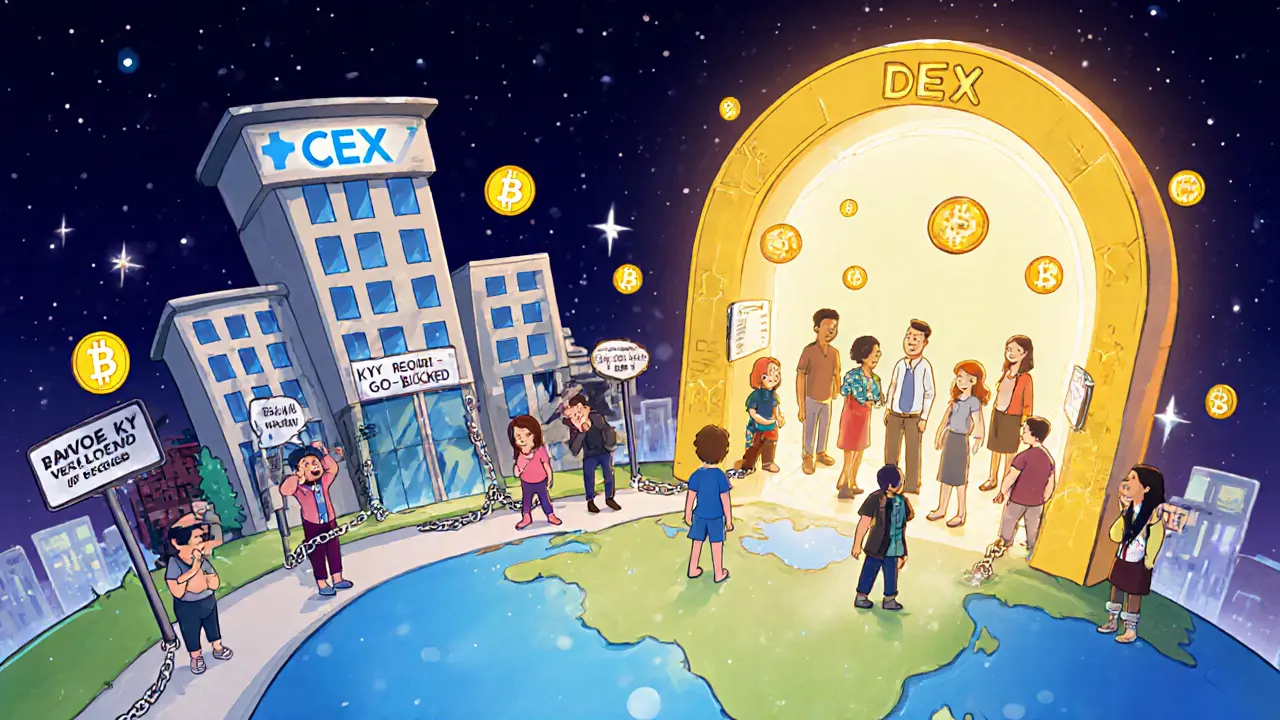
Countries sometimes go the opposite route and impose a Government Ban, a prohibition on crypto activities ranging from trading to mining. Bans can be total, like China’s 2025 crackdown, or targeted, like Thailand’s ban on foreign P2P platforms. They reshape user behavior overnight – traders move to peer‑to‑peer networks, miners look for friendlier regions, and developers scramble to comply. The real impact shows up in price spikes, sudden liquidity drops, and a rush of legal‑risk content online.
All these pieces—stablecoin rules, licensing demands, and outright bans—interact in a web of cause and effect. For example, stricter exchange licensing often leads to tighter stablecoin oversight because licensed platforms become the main distribution channels. Similarly, a government ban can force users onto unlicensed P2P markets, raising the risk of fraud and prompting regulators to tighten licensing even more. Understanding how each element influences the others helps you anticipate market moves before they happen.
Below you’ll find a curated set of articles that break down each of these areas. We cover real‑world case studies—from Jordan’s banking restrictions to Vietnam’s new licensing framework—plus deep dives into stablecoin comparisons, exchange reviews, and the latest government bans. Whether you’re a trader, developer, or just crypto‑curious, this collection gives you practical insight to navigate the ever‑shifting regulatory landscape.