How the FATF Blacklist Shapes Iranian Crypto Users in 2025
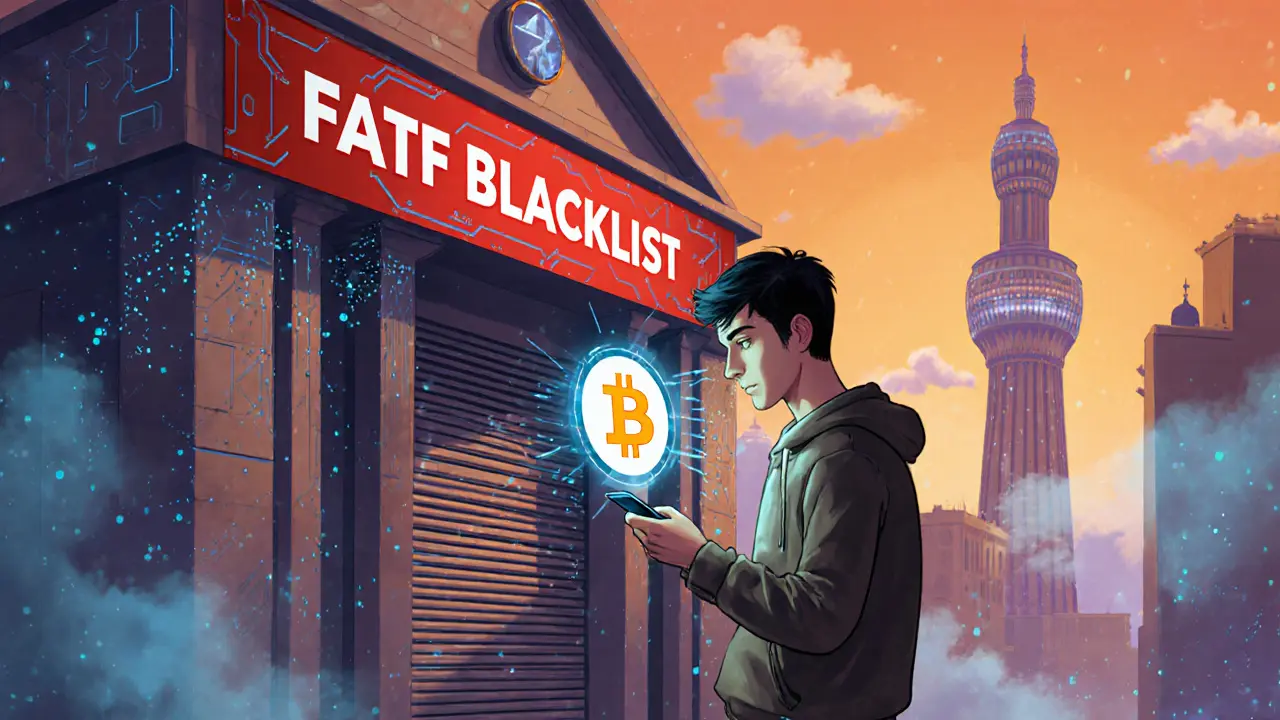
Explore how FATF's blacklist forces Iranians into crypto, the rise of Bitcoin use, exchange challenges, workarounds, and future outlook.
When navigating Iran crypto, the ecosystem of digital assets operating inside Iran's borders. Also known as Iranian cryptocurrency, it sits at the intersection of strict financial controls and a tech‑savvy community looking for alternatives.
The most immediate factor shaping Iran crypto is crypto regulations, government rules that define what is legal, what is taxed and how enforcement works. Iran’s central bank classifies crypto as a foreign exchange, meaning every purchase or sale technically requires a license. In practice, these rules create a gray zone: the law permits mining and holding, but bans commercial exchange without state approval. This regulatory uncertainty pushes users toward P2P crypto trading, peer‑to‑peer platforms that match buyers and sellers without a central intermediary. P2P markets let Iranians exchange Binance Coin, USDT or Bitcoin directly, using local payment methods like Rial transfers or mobile wallets. The trade‑off is higher counter‑party risk – you must verify the other party’s reputation and use escrow services to stay safe.
Because the official banking system often blocks crypto‑related flows, crypto exchanges, online platforms that provide order books, liquidity and custodial services for digital assets become essential gateways. Some exchanges have secured a license from the Iranian Ministry of Communications, offering fiat‑to‑crypto on‑ramps that comply with anti‑money‑laundering checks. Others operate offshore but accept Iranian users via P2P channels, effectively bypassing local restrictions. The key difference lies in security and fees: licensed exchanges tend to have stronger KYC procedures, while offshore options often charge higher spreads but give users more privacy.
Beyond regulations and trading methods, airdrop campaigns, free token distributions used to promote new projects and build community awareness have become a popular way for Iranian users to grow portfolios without spending cash. Projects targeting the MENA region often announce airdrops on Telegram or Discord, asking participants to complete simple tasks like following a Twitter account or linking a wallet address. While airdrops can boost entry‑level exposure, they also carry scams – always verify the token contract on a block explorer and avoid sharing private keys.
Another layer worth noting is tokenomics, the economic design of a cryptocurrency, including supply, distribution and incentive mechanisms. Good tokenomics can attract institutional interest even under restrictive regimes, because they signal longevity and lower price volatility. Conversely, poorly designed tokens often see rapid price drops, making them unattractive for long‑term Iranian investors who need stability amid a volatile Rial.
Putting these pieces together, the Iran crypto scene is a mosaic of regulation‑driven workarounds, community‑run P2P networks, licensed and offshore exchanges, and opportunistic airdrops. The posts below dive into real‑world examples – from how Jordanians trade under banking bans, to a detailed look at airdrop mechanics, to reviews of exchanges that Iranians frequently use. Whether you’re scouting for a compliant exchange, figuring out how to claim a free token, or just want to understand the legal backdrop, the collection gives you practical stepping stones.
Ready to see specific strategies, tool comparisons and risk‑focused guides? Scroll down to explore the full set of articles that break down each element of the Iran crypto ecosystem.
 13 Oct 2025
Explore how FATF's blacklist forces Iranians into crypto, the rise of Bitcoin use, exchange challenges, workarounds, and future outlook.