
You’ve probably seen the buzz around BINO and are wondering if you can get some for free. The short answer? It’s complicated. Unlike massive projects like Ethereum or Solana that had clear, documented airdrop campaigns, Binopoly is a smaller player with limited public data regarding a formal, project-wide airdrop. However, that doesn’t mean there aren't ways to acquire these tokens without buying them directly on the open market. Most opportunities currently revolve around exchange-specific promotions rather than a direct distribution from the developers.
If you’re looking to participate in the BINO airdrop, you need to separate hype from reality. This guide breaks down what we know about Binopoly, where the tokens live, and exactly how you might snag some through platforms like Bitget. We’ll also cover the risks, because in crypto, "free" often comes with hidden costs or scams waiting to happen.
What Is Binopoly (BINO)?
Before chasing an airdrop, it helps to know what you’re actually getting. Binopoly is a cryptocurrency project that trades under the ticker symbol BINO. It’s important to note right away that there is significant confusion in the market between two different projects using this same ticker: Binopoly and another project called BinoFi. Always double-check contract addresses before connecting your wallet.
Binopoly operates primarily on decentralized exchanges (DEXs) rather than major centralized exchanges like Binance. This means liquidity is fragmented, and trading volume can be low. As of mid-2026, market data for BINO is often inconsistent, with some platforms showing placeholder values or zero price updates. This lack of transparent pricing data is a red flag for many institutional investors but doesn’t necessarily stop retail traders from participating in community-driven events.
The token’s primary utility isn't clearly defined in public whitepapers compared to larger Layer 1 blockchains. Instead, its value proposition seems tied to community engagement and speculative trading. When considering an airdrop, ask yourself: Is this token useful, or is it just a meme coin with a fancy name? For Binopoly, the latter seems more likely given the current market presence.
How to Find and Claim BINO Tokens
Since there is no official, widespread "snapshot and claim" page hosted by the Binopoly team, your best bet is to look at exchange-led initiatives. Currently, Bitget is the most prominent platform mentioning Binopoly in the context of rewards.
Here is how you can potentially get BINO tokens:
- Join Bitget Challenges: Bitget frequently runs "Earn" campaigns or trading competitions. Keep an eye on their promotions tab. If BINO is listed as a reward asset, you may earn small amounts by completing simple tasks like making your first deposit or executing a specific number of trades.
- Participate in Launchpad Events: Some exchanges use a "Launchpad" model where users stake the exchange's native token (like BGB on Bitget) to qualify for new token allocations. Check if Binopoly has been featured in any past or upcoming launchpad rounds.
- Community Tasks: Follow Binopoly’s official social media channels (Twitter/X, Telegram). Sometimes projects distribute small amounts of tokens via Twitter Spaces giveaways or Discord raids to boost engagement. These are usually tiny amounts but are truly free.
Remember, these methods don't guarantee a large payout. They are marketing tools for the exchanges to keep you active on their platform. You are essentially trading your time and attention for a few dollars worth of tokens.

Eligibility Criteria and Common Pitfalls
When it comes to crypto airdrops, eligibility is rarely straightforward. For Binopoly, since there is no single official announcement, you have to infer eligibility based on standard industry practices for similar-sized tokens.
Typically, to qualify for exchange-based rewards, you need:
- A Verified Account: Most exchanges require KYC (Know Your Customer) verification to prevent bots from farming airdrops.
- Active Trading History: Simply holding an account isn't enough. You usually need to show some transaction volume.
- Specific Wallet Addresses: If the airdrop is sent directly to wallets, ensure you are using a non-custodial wallet like MetaMask or Trust Wallet, not an exchange hot wallet.
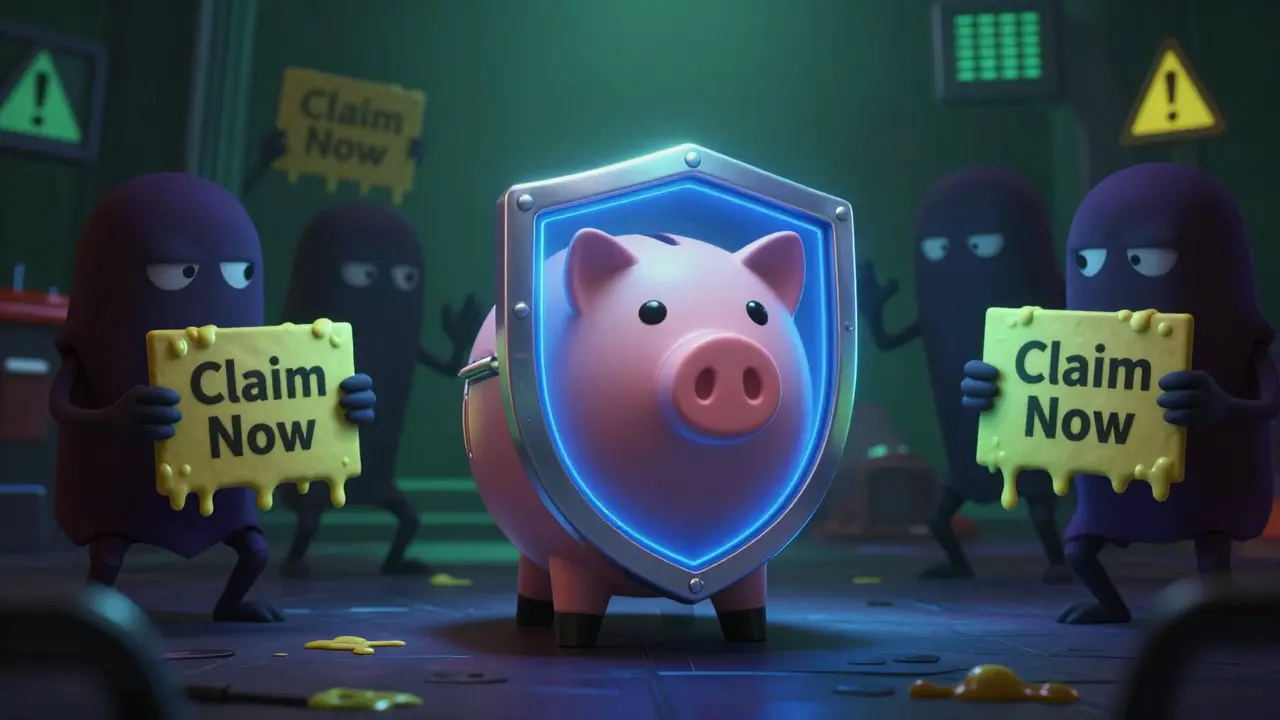
The Biggest Pitfall: Scams. Because Binopoly lacks a massive brand presence, scammers love to impersonate it. If you see a website claiming you can "claim 1000 BINO tokens" by connecting your wallet, run. Legitimate airdrops rarely ask you to pay gas fees upfront for a "claim" unless it's a very well-known protocol. Never share your seed phrase. Ever.
Comparing Binopoly to Other Airdrop Projects
To understand the potential value of a BINO airdrop, it helps to compare it to other recent airdrop campaigns. Major projects like Nillion Network or Initia distributed millions of dollars in value because they had established ecosystems, strong developer communities, and clear tokenomics.
| Feature | Binopoly (BINO) | Major Projects (e.g., Nillion) |
|---|---|---|
| Airdrop Scale | Small / Exchange-specific | Large / Ecosystem-wide |
| Token Utility | Speculative / Community | Protocol Governance / Staking |
| Liquidity | Low (DEX only) | High (CEX + DEX) |
| Risk Level | High | Medium |
This comparison highlights why you should manage your expectations. A BINO airdrop is unlikely to make you rich overnight. It’s more of a speculative play. If you’re already active on Bitget or interested in micro-cap altcoins, it’s worth keeping an eye on. If you’re looking for life-changing returns, you might want to focus on projects with deeper fundamentals.
Market Data and Price Reality
Let’s talk numbers. As of August 2026, the market data for BINO is... sparse. Many aggregators show inactive price feeds or placeholder zeros. This isn’t necessarily bad-it could mean the token is illiquid, meaning few people are trading it actively. But it does make valuation difficult.
If you do receive BINO tokens, selling them might be tricky. Since it’s not listed on major centralized exchanges like Binance, you’ll likely need to use a decentralized exchange (DEX). This involves:
- Bridge Fees: Moving ETH or SOL to the network where BINO lives.
- Slippage: With low liquidity, selling even a small amount can drop the price significantly.
- Gas Costs: Ensure the cost of transacting doesn’t exceed the value of the tokens you received.
Always check the current pool depth on DEXs like Uniswap or PancakeSwap (depending on the chain) before attempting to sell. If the pool has less than $10,000 in total value, expect high slippage.
Is the BINO Airdrop Worth Your Time?
Deciding whether to pursue the BINO airdrop depends on your risk tolerance and existing activity. If you’re already a Bitget user who enjoys trading low-cap tokens, checking the promotions page takes five minutes. It’s low effort, low reward.
However, if you’re spending hours trying to find a "secret" claim link or paying for "early access" services, you’re likely being scammed. The crypto space is full of noise. Stick to verified sources. Monitor Bitget’s official announcements. Join the official Binopoly Telegram group (verify the link from their Twitter bio, not random comments).
In the broader context of 2026 airdrops, Binopoly is a minor player. Projects like Monad or Abstract are drawing more attention due to their technological innovations. Don’t let FOMO (Fear Of Missing Out) drive you into risky investments. Treat any BINO tokens you receive as experimental capital-money you’re willing to lose entirely.
Is there an official Binopoly (BINO) airdrop website?
Currently, there is no widely recognized, official standalone airdrop website for Binopoly. Most distributions occur through exchange partnerships, particularly on Bitget. Be wary of third-party sites claiming to host the official airdrop, as they are often phishing scams.
Can I buy BINO tokens on Binance?
No, Binopoly (BINO) is not listed on the Binance centralized exchange. To buy or trade BINO, you typically need to use decentralized exchanges (DEXs) or other platforms like Bitget that support the token. Always verify the contract address before trading.
What is the difference between Binopoly and BinoFi?
Both projects use the ticker symbol BINO, which causes confusion. Binopoly is the older project associated with various DEX listings. BinoFi is a newer project that has undergone presales and features different technology like MPC wallets. Always check the specific project name and contract address to ensure you are interacting with the correct token.
How much is 1 BINO token worth?
Price data for BINO is inconsistent and often shows zero or placeholder values on major aggregators due to low liquidity. Its value is highly speculative and can vary significantly depending on the specific decentralized exchange pair you check. Do not rely on historical price charts for accurate current valuation.
Are BINO airdrops taxable?
In many jurisdictions, including New Zealand and the US, receiving crypto tokens via an airdrop is considered taxable income at the fair market value at the time of receipt. Always consult with a local tax professional to understand your obligations, especially if you sell the tokens later for a profit.



Write a comment