
Buying cryptocurrency in Argentina feels like navigating a maze of high inflation, strict capital controls, and limited banking options. You want a platform that is fast, cheap, and actually lets you move your money without getting flagged by the local banks. For years, Huobi was the go-to answer for many LatAm traders. But if you are looking at it today, you need to know one crucial fact first: Huobi no longer exists under that name.
In September 2023, the exchange rebranded entirely to HTX. This wasn't just a logo change; it was an attempt to shed past controversies and position itself as a modern, compliant global player. So, when people ask for a "Huobi Argentina review" in 2026, they are really asking about HTX. The big question is: does this rebranded giant still serve Argentine users well, or should you look elsewhere?
Is HTX Available in Argentina?
The short answer is yes, but with caveats. Unlike Binance, which has faced significant regulatory hurdles and outright bans in various jurisdictions over the last few years, HTX has maintained a more aggressive global availability strategy. As of mid-2026, HTX lists Argentina as a supported region. However, "supported" doesn't always mean "optimized."
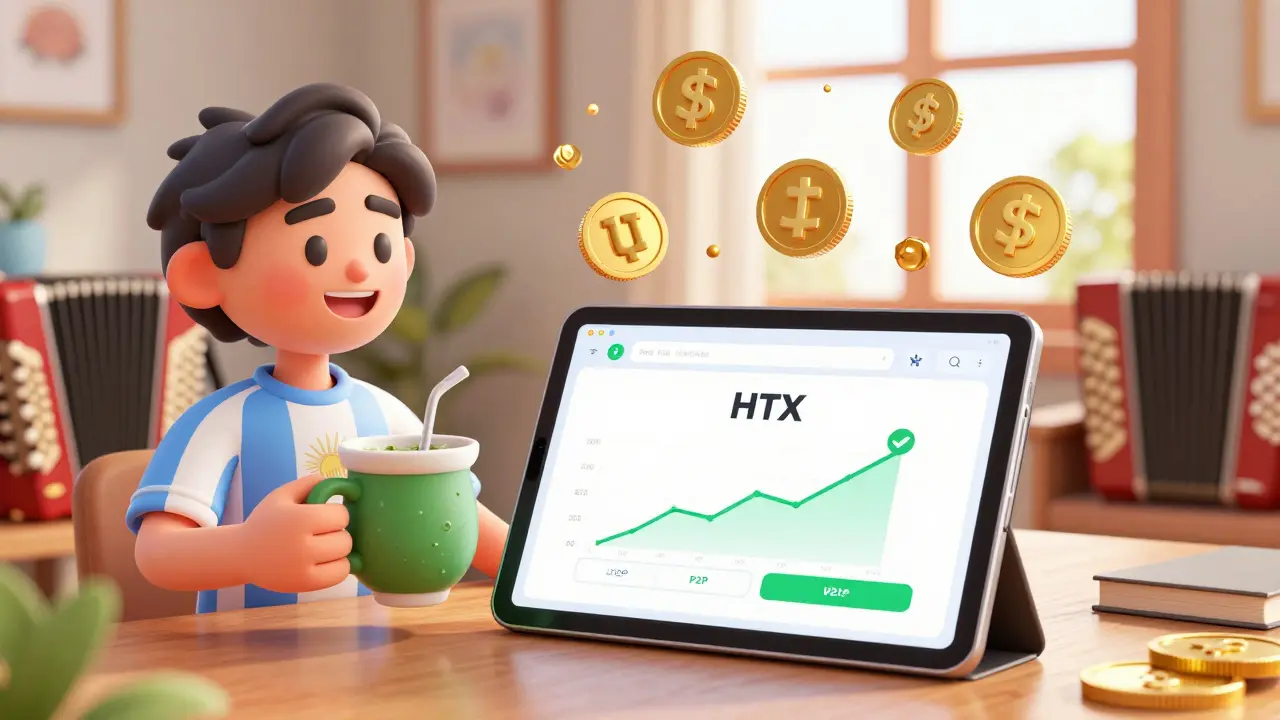
You won't find a dedicated .com.ar domain or specific Argentine peso (ARS) fiat on-ramps built directly into the app like you might see with local competitors such as Lemon Cash or Ripio. Instead, you rely on the global infrastructure. This means you typically buy crypto using US Dollars via international credit cards (Visa/Mastercard) or through P2P (Peer-to-Peer) markets. For Argentines who are used to buying Bitcoin with pesos directly from their bank account, this extra step can feel like friction. But for those already holding stablecoins or USD offshore, HTX remains fully accessible.
From Huobi to HTX: Why the Change Matters
To understand what you are signing up for, you have to look at the history. Founded in 2013 by Leon Li, a former Oracle engineer, Huobi grew to become one of the largest exchanges in Asia and eventually globally. By 2025, the platform served over 47 million registered users. But growth brought scrutiny. In previous years, Huobi faced legal challenges in China and other regions regarding compliance.
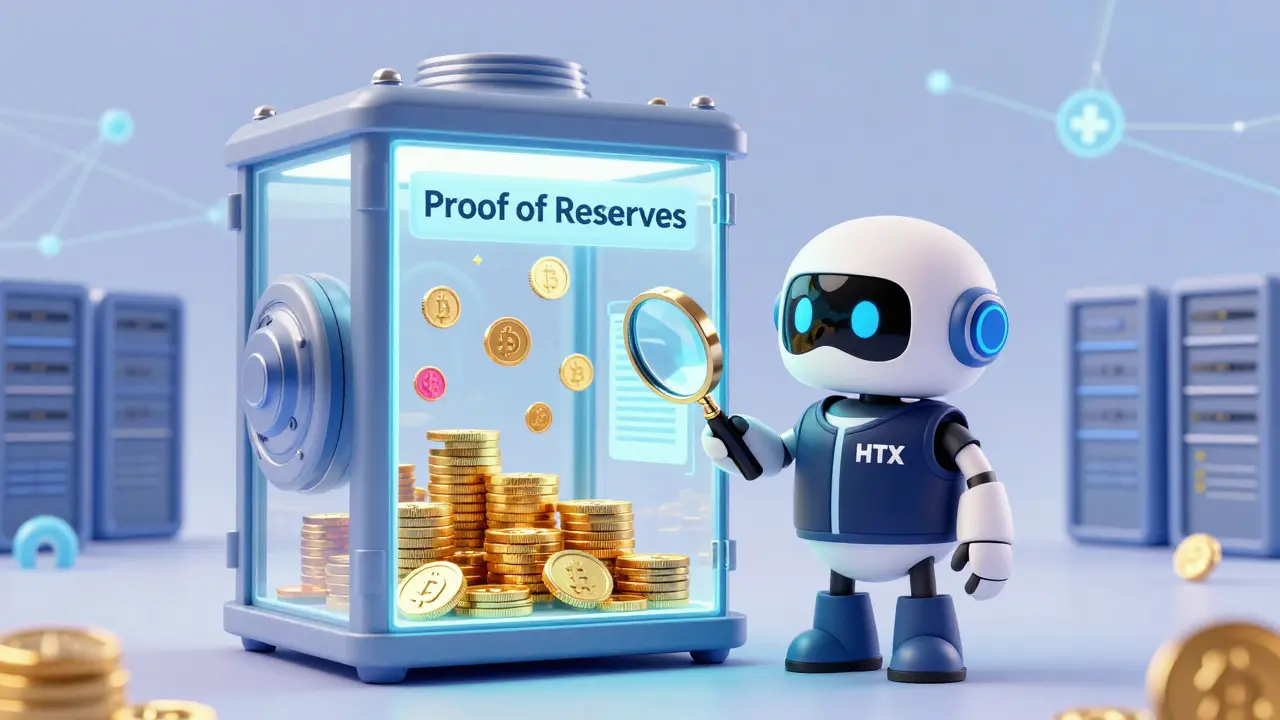
The shift to HTX was designed to fix trust issues. The new brand emphasizes transparency, specifically through its Proof of Reserves (PoR) audits. If you are worried about your funds being locked or lost-a valid fear after the collapses of FTX and Celsius-HTX publishes monthly Merkle tree proofs. These allow you to verify that the exchange holds your assets 1:1. While no proof is perfect, it is a massive step up from the opacity of the old Huobi days.
| Feature | HTX (Ex-Huobi) | Binance | Local Apps (e.g., Lemon) |
|---|---|---|---|
| Fiat On-Ramp (ARS) | No direct ARS deposit | Limited/P2P only | Yes (Direct Bank Transfer) |
| Spot Trading Fees | 0.2% (Maker/Taker) | 0.1% | Variable (often higher spread) |
| Crypto Selection | 700+ Assets | 350+ Assets | 10-20 Major Coins |
| P2P Market Depth | High Global Volume | Very High | N/A |
| Regulatory Status in AR | Accessible | Restricted Features | Fully Regulated |
Trading Costs: Are They Worth It?
Let's talk numbers, because in Argentina, every cent counts. HTX uses a standard maker-taker fee model. The default rate is 0.2% for both makers (those who add liquidity) and takers (those who remove it). This is slightly higher than Binance's 0.1%, but it is competitive with Coinbase Pro or Kraken.
However, you don't have to pay full price. HTX rewards holders of its native token, HT, by offering fee discounts. If you hold HT in your wallet, you can reduce trading fees significantly. Additionally, as your trading volume increases over a 30-day period, you unlock lower tiers. At higher VIP levels, fees can drop to as low as 0.0126%. For casual investors, the 0.2% flat rate is reasonable, but active day traders will want to stake HT to save money.
Beyond trading fees, watch out for withdrawal fees. HTX charges network-based fees for withdrawing crypto. For Ethereum ERC-20 tokens, this can be expensive during network congestion. Always check if the coin supports cheaper networks like TRC-20 or BSC before withdrawing to avoid eating into your profits.
Security: Can You Trust Your Money?
Security is the biggest concern for any crypto user. HTX has had a mixed past. Early in its life, the original Huobi platform suffered phishing attacks and some internal security lapses. However, since the rebranding to HTX, the company has invested heavily in infrastructure.
They use cold storage for the vast majority of user funds. Cold storage means the private keys are kept offline, away from internet-connected computers that hackers can target. Furthermore, HTX employs multi-signature wallets, meaning multiple authorized parties must approve a transaction before funds move. This prevents a single compromised employee or key from draining the treasury.
For Argentine users, there is also the layer of personal security. Since HTX does not integrate directly with Argentine banks for deposits, you are likely moving funds via P2P or card. P2P trading carries scam risks. Always stick to merchants with high completion rates (98%+) and thousands of orders. Never release crypto until you see the money in your actual bank account, not just a screenshot sent by the seller.
User Experience and Mobile App
If you prefer trading on your phone, HTX delivers a solid experience. The mobile app is available on iOS and Android and mirrors most desktop features. The interface is clean, though perhaps less polished than Binance's. Navigation is intuitive: buy, sell, trade, and earn sections are clearly marked.
One feature that stands out for Latin American users is the "Earn" section. HTX offers various staking products where you can lock up your crypto to earn annual percentage yields (APY). In an environment where traditional Argentine savings accounts often struggle to keep pace with inflation, earning 5-10% APY on stablecoins like USDT can be attractive. Just remember that these yields come with counterparty risk-you are trusting HTX to pay you.
The customer support system is another area for improvement. While they offer 24/7 live chat, response times can vary. For complex issues involving frozen accounts or failed transactions, resolution can take days. There is no dedicated Spanish-language support team listed prominently, so English proficiency helps here.
How to Get Started on HTX from Argentina
If you decide HTX is right for you, here is the streamlined process:
- Create an Account: Download the HTX app or visit the website. Sign up with your email or phone number. You will need to complete KYC (Know Your Customer) verification. This involves uploading your DNI (National Identity Document) and taking a selfie. Approval usually takes 1-24 hours.
- Enable Security: Immediately set up Two-Factor Authentication (2FA) using Google Authenticator. Do not skip this. SMS verification alone is not enough.
- Deposit Funds: Since direct ARS deposits aren't available, you have two main paths:
- Credit/Debit Card: Buy USDT or BTC directly with Visa/Mastercard. Note that your bank may charge foreign transaction fees.
- P2P Trading: Use the P2P market to buy USDT from other users using your Argentine bank account. This often offers better exchange rates than cards.
- Trade: Once you have USDT, you can swap it for any of the 700+ supported cryptocurrencies.
Verdict: Should You Use HTX in 2026?
HTX is a viable option for Argentine crypto enthusiasts, particularly those who want access to a wide variety of altcoins and advanced trading tools. It is safer and more transparent than the old Huobi, thanks to regular Proof of Reserves audits. The fee structure is fair, especially if you hold HT tokens.
However, it is not the easiest entry point for beginners who want to buy crypto with pesos instantly. If simplicity and local integration are your top priorities, local apps like Lemon or Bitso might be better starting points. But if you are an active trader who needs depth, variety, and global reach, HTX holds its ground as a top-10 exchange worldwide.
Is Huobi still operating in Argentina?
No, Huobi has been rebranded to HTX. All existing Huobi accounts were migrated to the HTX platform. If you are in Argentina, you now use the HTX app or website. The services remain largely the same, but the branding and some security protocols have changed.
Can I deposit Argentine Pesos (ARS) directly to HTX?
Currently, HTX does not support direct bank transfers in Argentine Pesos. To fund your account, you must use international credit/debit cards to buy crypto directly or use the Peer-to-Peer (P2P) marketplace to purchase stablecoins like USDT from other users using your local bank account.
Is HTX safe for my funds?
HTX implements strong security measures including cold storage for most assets and multi-signature wallets. They also publish monthly Proof of Reserves audits to show they hold user funds 1:1. While no exchange is immune to risk, HTX is considered more transparent post-rebranding compared to its predecessor.
What are the trading fees on HTX?
The standard spot trading fee is 0.2% for both makers and takers. You can reduce these fees by holding the native HT token or by increasing your trading volume to reach higher VIP tiers, where fees can drop below 0.1%.
Does HTX offer customer support in Spanish?
HTX provides 24/7 live chat support, but it is primarily in English. While some agents may speak Spanish, it is not guaranteed. For the best results, having basic English skills or using translation tools can help resolve issues faster.



Write a comment