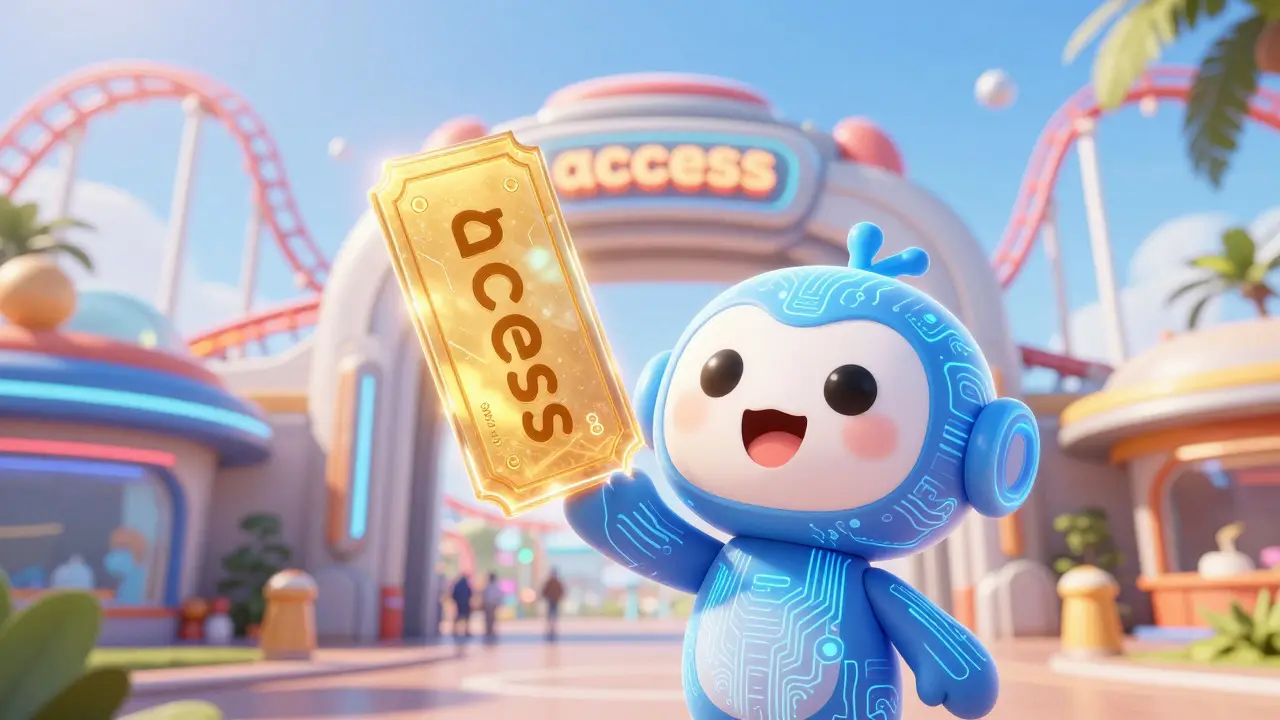
Imagine buying a ticket to an amusement park. That ticket doesn't give you ownership of the park, nor does it promise you a share of the park's profits. It simply lets you ride the roller coasters and use the facilities. In the world of cryptocurrency is a digital currency that uses cryptography for security and operates on decentralized networks, utility tokens work exactly like those tickets.
If you've been following crypto news, you've likely heard the term "utility token" thrown around constantly. But what actually makes a token a utility token? More importantly, why should you care if one has real value or if it's just hype? This guide breaks down the mechanics, the risks, and the real-world applications of these digital assets without the confusing jargon.
The Core Definition: Access, Not Ownership
At its simplest level, a utility token is a digital asset created to provide specific services or functionalities within particular blockchain-based projects or platforms. Its primary purpose is to grant access to a product or service within a specific ecosystem.
This is the critical distinction between utility tokens and other types of crypto assets. When you hold a stock in a company, you own a piece of that company. You might get dividends. If the company sells, you get paid. With a utility token, you own nothing. You have no claim on the project's profits, no voting rights (unless specifically designed as a governance hybrid), and no equity.
Think of it this way:
- Security Token: Like owning a share of Apple Inc.
- Utility Token: Like having an Apple ID that lets you buy apps from the App Store.
The value of a utility token comes entirely from its usefulness. If the platform becomes popular and people need access, demand for the token rises. If the platform fails or becomes irrelevant, the token often loses most of its value.
How Utility Tokens Actually Work
Utility tokens are built on blockchain technology, which allows them to be transferred securely and transparently. Most utility tokens operate on existing blockchains rather than creating their own. The most common standard is ERC-20 is a technical standard for implementing tokens on the Ethereum blockchain, which runs on the Ethereum is a decentralized blockchain platform that enables smart contracts and decentralized applications network.
Here is the typical lifecycle of how these tokens function in practice:
- Creation via ICO: A startup needs funding to build a platform. Instead of selling shares, they create a limited supply of utility tokens and sell them to early supporters through an Initial Coin Offering (ICO). This raises capital without giving up equity.
- Ecosystem Integration: Once the platform launches, users must acquire these tokens to interact with it. For example, you might need the token to pay for transaction fees, unlock premium features, or store data.
- Circulation and Value: As more people use the platform, they need more tokens. This creates organic demand. Users can also trade these tokens on exchanges, meaning their price fluctuates based on market sentiment and usage levels.
For instance, consider Filecoin is a decentralized storage network that uses FIL tokens to pay for storing and retrieving data. To rent space on the Filecoin network, you must pay in FIL tokens. If the network becomes widely adopted by companies needing secure cloud storage, the demand for FIL increases, potentially driving up its price. Conversely, if no one uses the storage, the token has little practical reason to hold value.
Utility Tokens vs. Security Tokens: The Legal Line
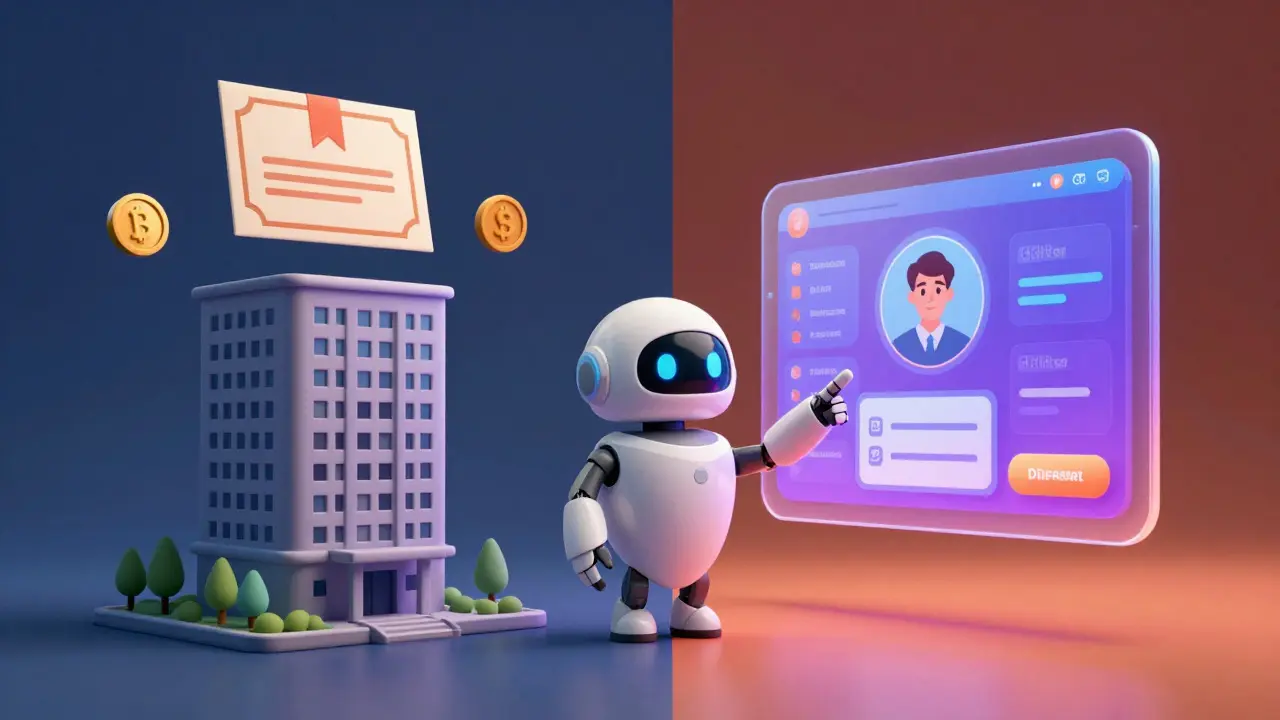
One of the biggest headaches in the crypto industry is regulatory clarity. Regulators, particularly the U.S. Securities and Exchange Commission (SEC), look closely at whether a token is a utility or a security. This matters because securities are heavily regulated, requiring registration and disclosure.
The key test used by regulators is often the Howey Test is a legal framework used to determine whether an investment contract qualifies as a security. If investors buy a token primarily expecting profits from the efforts of others, it’s likely a security. If they buy it to use a service, it’s likely a utility token.
| Feature | Utility Token | Security Token |
|---|---|---|
| Purpose | Access to services/products | Investment/Ownership stake |
| Value Driver | Usage and demand within ecosystem | Underlying asset performance/profits |
| Regulation | Less regulated (but scrutinized) | Highly regulated (securities laws) |
| Example | Basic Attention Token (BAT) | Tech Stock Shares |
It's worth noting that many tokens blur these lines. Some projects start as utility tokens but behave like securities if they promise future buybacks or profit-sharing. This ambiguity has led to significant legal battles, such as the SEC's case against Ripple Labs, highlighting the importance of understanding the legal status of any token you hold.
Real-World Examples of Utility Tokens
To understand utility tokens better, let's look at some prominent examples that demonstrate different use cases.
1. Basic Attention Token (BAT): Used within the Brave browser ecosystem. Users earn BAT for viewing privacy-respecting ads, and creators receive BAT when users tip them. Here, the token facilitates the flow of attention and reward between advertisers, users, and publishers. It has tangible utility because it solves a specific problem: compensating content creators while respecting user privacy.
2. Chainlink (LINK): Chainlink provides oracle services that connect smart contracts to real-world data. Developers pay LINK tokens to node operators who fetch and verify external data. Without LINK, the smart contracts couldn't access reliable outside information, making the token essential for the network's operation.
3. Render Network (RNDR): This token is used to pay for GPU computing power. Artists and developers needing heavy rendering capabilities can pay RNDR to access distributed computing resources. The utility is clear: you need the token to buy processing time.
These examples show that successful utility tokens solve actual problems. They aren't just speculative assets; they are functional components of their respective ecosystems.
The Risks: Volatility and Artificial Demand
While utility tokens offer interesting functionality, they come with significant risks that every investor should understand.
Extreme Volatility: Unlike traditional currencies or even some major cryptocurrencies like Bitcoin, utility tokens can be incredibly volatile. Their value is tied directly to the success and popularity of a single project. If the project fails, updates poorly, or loses user interest, the token price can crash rapidly. Data shows utility tokens often exhibit higher volatility than established cryptocurrencies due to their smaller market caps and niche appeal.
Artificial Scarcity: Critics argue that many utility tokens create artificial demand. Projects may force users to spend tokens on unnecessary features just to drive up the token's price. This "forced utility" can feel manipulative. If the only reason to hold the token is hoping its price goes up so you can sell it, it functions more like a security than a utility.
Liquidity Issues: Many utility tokens trade on smaller exchanges with low liquidity. This means you might struggle to sell your tokens quickly without significantly impacting the price. During market downturns, liquidity can dry up completely, trapping investors.
Regulatory Uncertainty: As mentioned earlier, the line between utility and security is thin. If a regulator decides a token is a security, trading could be restricted, exchanges might delist it, and its value could plummet overnight.
How to Evaluate a Utility Token
Before buying or using a utility token, ask yourself these questions to assess its legitimacy and potential:
- Does it solve a real problem? Is the token necessary for the platform to function, or was it added just to raise funds? Look for genuine utility, not forced integration.
- Is there active development? Check the project's GitHub repository and community forums. Are developers actively updating the code? Is the team responsive?
- Who is using it? Look beyond the whitepaper. Are real users transacting with the token? High volume on exchanges doesn't equal utility; on-chain activity does.
- What is the tokenomics model? Understand the supply schedule. Are new tokens being minted endlessly, causing inflation? Or is there a capped supply that creates scarcity? Transparent tokenomics are crucial.
- What is the regulatory stance? Has the project consulted with legal experts? Are they operating in jurisdictions with clear crypto regulations?
Doing this homework can save you from investing in projects that are essentially vaporware wrapped in blockchain branding.
The Future of Utility Tokens
The landscape for utility tokens is evolving. We're seeing a shift from vague, multi-purpose tokens to specialized, single-use-case tokens. Projects are focusing on delivering clear value rather than promising everything. Additionally, advancements in blockchain technology, such as account abstraction and improved interoperability, are making utility tokens easier to use and integrate into everyday applications.
Enterprise adoption is also growing. Companies are exploring utility tokens for loyalty programs, supply chain tracking, and internal payment systems. While regulatory hurdles remain, the practical benefits of programmable money are hard to ignore.
Ultimately, utility tokens represent a fascinating experiment in digital economics. They challenge traditional notions of value and ownership. Whether they become a cornerstone of the digital economy or fade into obscurity depends on their ability to deliver consistent, tangible utility. For now, approach them with curiosity, caution, and a healthy dose of skepticism.
What is the difference between a utility token and a coin?
A coin typically operates on its own independent blockchain (like Bitcoin or Ether) and is primarily used as a medium of exchange or store of value. A utility token usually exists on an existing blockchain (like Ethereum) and grants access to specific services or features within a particular application or platform.
Are utility tokens safe investments?
Not necessarily. Utility tokens are highly speculative and volatile. Their value depends entirely on the success and adoption of the underlying project. Many utility tokens fail because the project never launches, lacks real users, or faces regulatory issues. Always do thorough research before investing.
Can utility tokens be taxed?
Yes, in many jurisdictions, utility tokens are considered taxable property. Buying, selling, swapping, or spending them can trigger capital gains tax events. Tax laws vary significantly by country, so consult a local tax professional to understand your obligations.
Why do projects issue utility tokens instead of raising venture capital?
Issuing utility tokens allows projects to raise funds globally without giving up equity or control. It also helps bootstrap a community of early adopters who are incentivized to use and promote the platform. However, it requires careful management to ensure the token retains utility and complies with regulations.
What happens if a utility token project fails?
If the project fails, the utility token usually loses most or all of its value. Since the token doesn't represent ownership, holders have no claim on remaining assets. The token may become illiquid and untradeable, effectively becoming worthless.

Write a comment